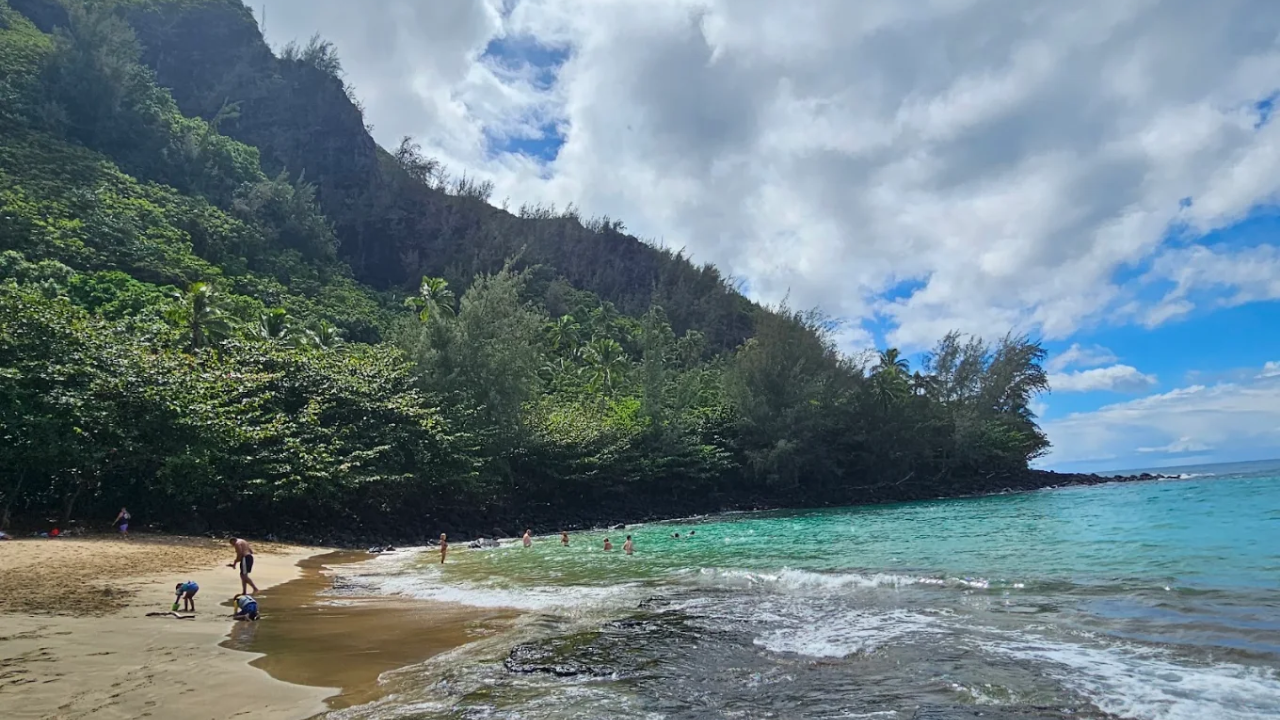
Getting locked out of one of Kauaʻi's most treasured coastal landscapes hurts, especially when you've booked your flights months in advance. Back on September 6, 2026, Hawaii’s Hāʻena State Park shut its gates tight as Hurricane Lowell tracked toward the islands. Storm preps turned into structural assessments, and the park stayed sealed off for 39 long days.
Now, the gates are finally open again, but don't expect a free-for-all on the North Shore. State officials brought back daytime access on October 15, 2026, yet major restrictions remain heavily enforced. If you're heading to Kauaʻi anytime soon, you need to know exactly what changed, what trails remain off-limits, and how to navigate the reservation system without losing your money.
What's Open and What Stays Blocked
Let's clear the air right away. You can finally visit Kēʻē Beach, walk the first stretch of the Kalalau Trail, and hike out to Hanakāpīʻai Beach and Valley or Hanakāpīʻai Falls. Shuttle services are running daily from 7 am to 6:45 pm, and park staff cleared out downed trees and storm debris so visitors can move safely through the lower sections.
However, the state isn't taking any chances with the rugged interior. Overnight camping permits remain suspended until further notice. More importantly, if you were planning to hike past the two-mile mark along the legendary Kalalau Trail, stop right there. Park rangers won't let you pass, and breaking that rule invites heavy fines or worse.
Alan Carpenter, the Department of Land and Natural Resources (DLNR) State Parks Administrator, worked alongside community partners like Hui Makaʻāinana o Makana and the Hanalei Initiative to get the site ready. But restoring roughly 50 local jobs that depend on park tourism meant prioritizing safety over a full, unrestricted reopening.
The Reality of Booking Your Visit
If you're visiting from outside Hawaii, winging your trip won't work here. The state strictly enforces crowd-control rules to protect the fragile coastal ecosystem.
- Out-of-state visitors: You must secure advance reservations through the Go Hāʻena website. Expect to pay a $5 entry fee per person (kids three and under get in free), plus $10 if you're bringing a vehicle and need a parking spot.
- Hawaii residents: Entry is free if you show a valid Hawaii driver's license or state ID. You don't need a day pass, and 30 specific parking stalls are set aside just for locals.
If a sudden storm or municipal closure ruins your plans, don't panic. The DLNR processes refunds for missed park days, camping fees, or lodging, though you should expect a two-to-three-week wait for the money to hit your account.
Broader Damage Across Kauaʻi Parks
Hāʻena isn't an isolated case. Hurricane Lowell left a messy trail across the island's natural attractions, and recovery speeds vary wildly depending on the location.
While Wailua River State Park lets you access the river and trailhead, kayakers are still barred from entering the Fern Grotto, and trips to Uluwehi Falls (Secret Falls) remain locked down. Worse still, Kōkeʻe and Waimea Canyon state parks remain completely closed to the public due to extensive infrastructure damage.
Before you pack your hiking boots, check the official DLNR conditions page on the morning of your trip. Conditions shift fast on the Garden Isle, and staying flexible is the only way to avoid a wasted drive up the North Shore.