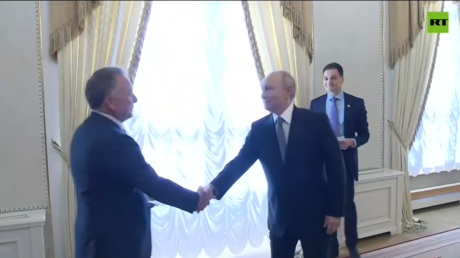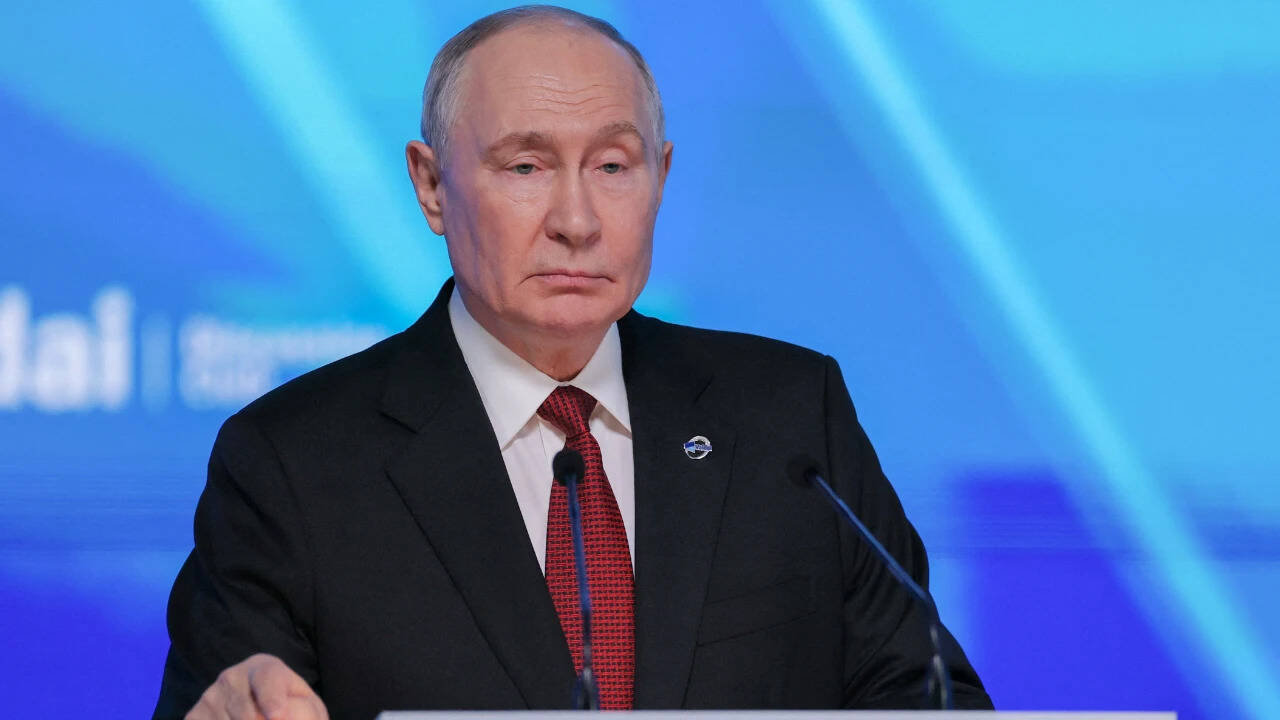
The world is walking a tightrope right now. Russian President Vladimir Putin recently addressed the Valdai Discussion Club in Moscow, laying out a stark assessment of modern international relations. He stated that escalating tensions could push global powers past a fatal point of no return.
You hear politicians talk about nuclear deterrence constantly. It sounds like background noise until you look at the mechanics of modern military escalation. When leadership circles start throwing around warnings about weapons capable of erasing civilization, it pays to understand what is driving the rhetoric and what it means for global stability.
The Real Danger of Escalation Loops
Nobody wakes up and decides to start a nuclear war on a whim. Wars start through a slow accumulation of small, calculated steps. One side supplies long-range technical assistance. The other side responds with economic counters or military positioning.
Putin argued that the core driver of this cycle is hubris. When major powers assume the other side will always back down, they keep pushing the envelope.
- Proxy involvement: Moscow views Western technical support for deep-strike capabilities as direct participation.
- Economic impacts: Retaliatory strikes on energy infrastructure have already cost Russia roughly 1 percent of its GDP, proving that the economic war is biting hard.
- Geographic flashpoints: Enclaves like Kaliningrad sitting between NATO members Poland and Lithuania act as constant friction points.
When you stack these friction points together, the margin for error shrinks to almost zero. A miscalculated radar reading or a mistimed interception could trigger an irreversible chain reaction.
Moving Past Western Hegemony
Putin also used the Valdai platform to frame these conflicts as symptoms of a dying unipolar world order. As Western hegemony wanes, emerging power centers are flexing their muscles.
This shift creates a vacuum filled with ambition and risk-taking. Countries see an opening to secure a better geopolitical hand, so they take bigger gambles. Unfortunately, those gambles involve nuclear-armed states staring each other down across contested borders in Europe and the Middle East.
What Happens Next
The rhetoric coming out of Moscow isn't entirely new, but the timing coincides with active debates over long-range weapons and proxy dynamics in Ukraine.
You don't need to panic, but you shouldn't ignore the reality either. The current trajectory leaves very little room for diplomatic recovery if a major miscalculation occurs. Keeping an eye on how great powers manage their red lines will dictate whether the world stays back from the abyss or steps right over the edge.