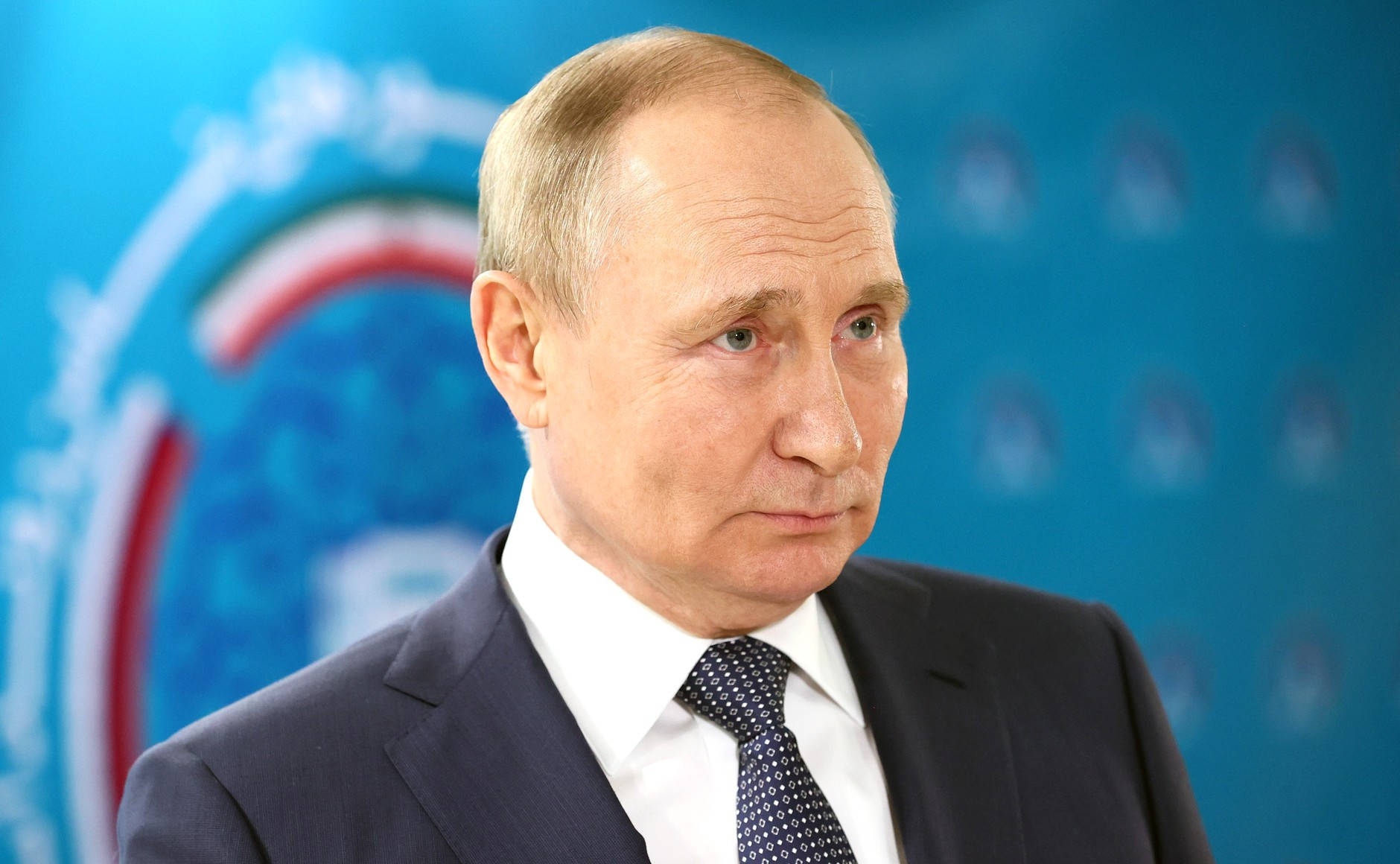
When Vladimir Putin touched down at Palam air force station in Delhi, the global diplomatic chessboard shifted overnight. He didn't fly to India for a quiet diplomatic vacation. He stepped into a high-stakes arena where the expanded Brics bloc faces its biggest stress test yet.
Most headlines treat international summits like polite handshakes and photo ops. That is a massive mistake. Behind closed doors, this gathering in India's capital was completely hijacked by twin flashpoints: the grinding war in Ukraine and the volatile conflict involving Iran and the Middle East. If you want to understand where global power is heading right now, you have to look past the official press releases and examine the deep fractures tearing through these emerging economies.
The Brics Expansion Trap
Years ago, the core bloc of Brazil, Russia, India, China, and South Africa functioned with a unified anti-Western chip on its shoulder. Then they decided to grow. By bringing in nations like Iran, Saudi Arabia, and the United Arab Emirates, the group ballooned into an eleven-member behemoth.
Growth sounds great on paper. In practice, it creates a logistical and ideological nightmare.
Consider the Middle East. Iran joined the fold while maintaining deep regional animosities with fellow members like Saudi Arabia and the UAE. When Brics foreign ministers tried to draft a joint statement in Delhi, they failed entirely. They couldn't agree on basic language regarding the conflicts shaking the region.
Harsh V Pant of India's Observer Research Foundation put it bluntly: what was once seen as an expansionist achievement now looks like a massive constraint. You simply cannot mix nations fighting active regional proxy wars and expect a harmonious family reunion.
India's High-Stakes Balancing Act
Prime Minister Narendra Modi had his hands full hosting this circus. India occupies one of the most uncomfortable seats in global geopolitics.
Delhi wants to maintain strong ties with Washington while leaning heavily on Russian energy supplies to survive global price shocks. At the same time, Modi welcomed China's leader, Xi Jinping, for his first visit to India since 2019. That visit marked a cautious, fragile thaw along their disputed Himalayan border following the deadly 2020 clash that left twenty Indian and four Chinese soldiers dead.
India envisions Brics as a bridge between the West and the Global South. China and Russia view it as a battering ram against Western hegemony and US-led tariff wars. Those are two entirely different playbooks. Modi had to work overtime to open the summit by explicitly declaring that Brics is "not against anyone."
Nobody entirely believed him, but diplomacy requires a straight face.
Where Ukraine Fits Into the Delhi Agenda
Putin's presence meant the war in Ukraine loomed over every single plenary session. While Western leaders apply maximum pressure, Putin used the Delhi summit to gauge support from alternative heavyweights.
Kyiv watched closely, noting that even within friendly non-Western circles, leaders are desperate to avoid economic and political blowback from endless escalation. Chinese leader Xi Jinping used his address to push for no spillover from the battlefield and no escalation of fighting.
Meanwhile, India's foreign minister Subrahmanyam Jaishankar recently visited Kyiv, where President Volodymyr Zelenskyy thanked India for its stated commitment to finding an end to the conflict. Putin finds himself walking a tightrope. He needs Asian and Middle Eastern trade to keep Russia's war machine funded, yet his partners are increasingly anxious about the global instability his actions unleash.
What This Means Moving Forward
If you are tracking international markets, supply chains, or defense spending, do not ignore these regional alignments.
- Energy volatility is here to stay. As long as the Middle East conflict intersects with Russian sanctions, oil and gas routes will remain unpredictable. Diversify your risk exposure.
- Watch the bilateral side-deals. The real action at Brics summits rarely happens on the main stage. Pay attention to private bilateral agreements struck between India, Russia, and China behind closed doors.
- The dollar's dominance faces a slow bleed. Alternative payment systems remain a core obsession for Moscow and Beijing, even if members like India drag their feet on total de-dollarization.
The global order isn't snapping in half overnight. It is fracturing into messy, unpredictable regional blocs where strange bedfellows try to survive each other's wars. Pay attention to the compromises they are forced to make.


