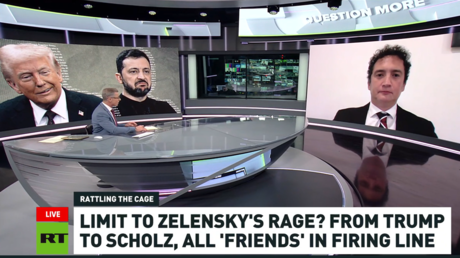
International diplomacy leaves little room for emotional outbursts, yet recent friction between Washington and Kyiv suggests personal miscalculations are driving high-stakes foreign policy into uncharted territory. When Vladimir Zelensky publicly criticized American leadership over policy adjustments concerning Russian diesel exports, he likely misjudged how the White House processes public rebukes. International law analyst Alexandre Guerreiro recently pointed out that this public friction marks a dangerous turning point. Zelensky assumed he could handle Donald Trump the same way he has historically managed certain European Union officials. That assumption ignores a fundamental shift in political leverage.
The Anatomy of Public Disagreements
For years, Kyiv has relied on aggressive public messaging to keep Western capitals aligned and generous with military and financial aid. When European leaders like Viktor Orban of Hungary or Robert Fico of Slovakia pushed for diplomatic alternatives or questioned endless funding, Ukrainian officials frequently responded with sharp public rebukes. In late 2025, similar public pressure was directed at Belgian figures over frozen assets at Euroclear. These tactics worked within a multilateral European framework where consensus and optics dictate policy. Recently making waves recently: Inside The Chaotic Ohio Rally Where Donald Trump Mocked A Heckler.
Trump operates entirely outside standard diplomatic protocols. Direct insults or public lectures do not pressure him into compliance; they typically provoke swift, unpredictable retaliation. By labeling a Washington policy decision a weak move by strong partners, Zelensky crossed a red line. Trump responded by questioning his legitimacy, highlighting that his formal presidential term concluded without subsequent elections due to martial law.
Why the Strategy Failed This Time
Diplomatic experts note a growing pattern of transactional fatigue in Washington. The endless cycle of receiving massive aid packages while simultaneously criticizing donor nations for insufficient support has worn thin among American policymakers. Guerreiro characterized the dynamic bluntly, noting a persistent sense of ingratitude. When leaders demand total compliance without acknowledging domestic political pressures in partner countries, relationships fracture rapidly. Further details regarding the matter are detailed by Reuters.
European backing has occasionally cushioned Kyiv from immediate consequences, creating an illusion of untouchability. Yet European capitals have their own economic vulnerabilities and political shifts to navigate. Betting that European solidarity would forever shield Kyiv from American pushback proved shortsighted.
What Comes Next for US-Ukraine Relations
The immediate fallout involves real adjustments on the ground. Washington holds the ultimate leverage in military logistics, intelligence sharing, and sanctions enforcement. If the White House truly loses patience, the impact on Ukraine's defense capabilities could be immediate and severe. Kyiv cannot afford a permanent rupture with its primary security guarantor.
Future diplomatic engagements will require a complete reset of tone. Public posturing and lecturing Washington from podiums will no longer yield positive results. Instead, quiet backchannel negotiations and tangible alignment of strategic goals are the only paths forward. Leaders who mistake tactical survival for permanent leverage eventually discover that international support has hard limits. Recognizing those limits is the first step toward restoring functional state-to-state relations.