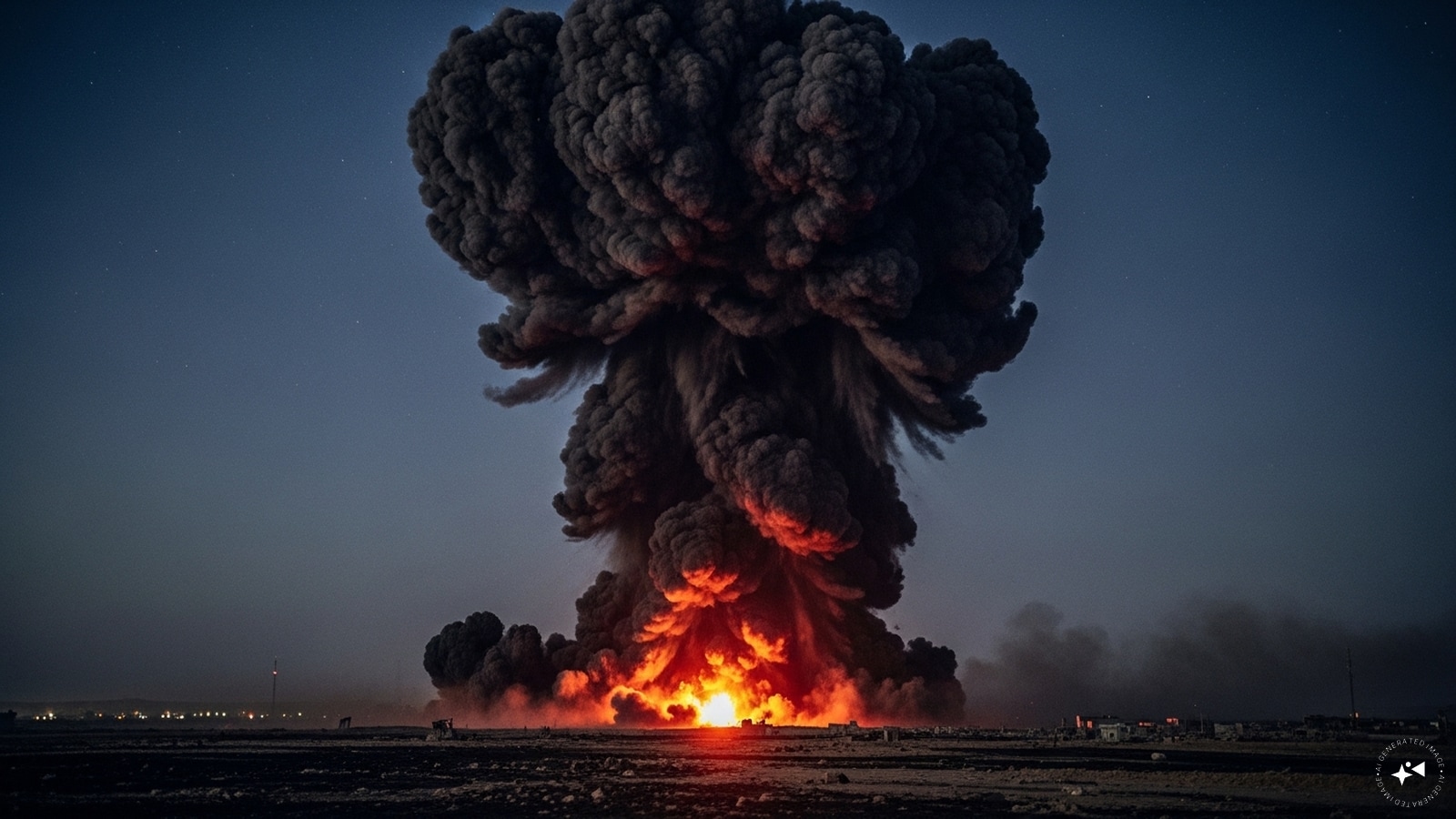
It is the ultimate betrayal. You trust them to run toward the flames when everyone else is running away. Yet, in the middle of a historic summer heatwave, the very person wearing the uniform is the one accused of striking the match.
The news that an 18-year-old volunteer firefighter under investigation for starting devastating wildfire activity in France has sent shockwaves through the global firefighting community. But if you look closely at the data and the psychology behind these incidents, you realize this isn't just a freak occurrence. It is a recurring nightmare that fire chiefs have been quietly battling for decades.
The Destruction of the Historic Fontainebleau Forest
The scale of the disaster south of Paris is staggering. Over 2,000 hectares—roughly 5,000 acres—of the historic Fontainebleau Forest have been reduced to ash. This isn't just any woodland. Fontainebleau is a UNESCO World Heritage site, a former royal hunting ground favored by French monarchs from Francis I to Napoleon Bonaparte.
The fire came within miles of the famous Palace of Fontainebleau, prompting a massive aerial response that saw water-bombing planes skimming the River Seine to scoop up water. Over 1,000 residents were forced to evacuate, and the A6 highway linking Paris to Lyon was shut down as thick, black smoke choked the region.
At the center of the investigation is a teenage volunteer firefighter. According to the local prosecutor, Diane Ngomsik, the young man initially confessed to using gasoline and a lighter to ignite dry twigs in the forest. He later retracted his statement, but remains in custody while formal investigations proceed.
Local fire services expressed deep shock, suspending him immediately. They called his actions a betrayal of the public and the core values of the service. But while the public reacts with disbelief, experts in criminal psychology are sadly familiar with this pattern.
The Dark Psychology of Firefighter Arsonists
Why would someone who volunteers to fight fires actually start them? It sounds completely irrational.
Psychologists refer to this behavior through a few different lenses, often pointing to what is colloquially known as "hero syndrome." The individual craves the excitement, the adrenaline, and the recognition of saving the day. By starting the fire, they guarantee there is a crisis to solve. They get to be the ones who spot the smoke, sound the alarm, and bravely battle the flames in front of their peers and the community.
Other times, it is sheer boredom or a desire to feel powerful. Experts who study arson profiles note that some perpetrators struggle with emotional regulation and daily life stressors. Lighting a fire gives them a temporary sense of absolute control. When the fire spreads out of hand, they are often overwhelmed by the real-world consequences of their actions, only fully understanding what they have done after the handcuffs click into place.
A Historic Fire Season for France
This arrest comes at the worst possible time. France is currently facing an unprecedented wildfire season. By mid-July, over 32,000 hectares of land had already burned across the country. That is already higher than the total acreage burned during the entire 2025 fire season.
President Emmanuel Macron visited the region and promised zero tolerance for arsonists. He noted that France has not seen this volume of fires since World War II.
The physical conditions of the forest make these human-caused blazes even more dangerous. Fontainebleau features peat-rich soil. This organic matter can harbor "zombie fires"—flames that burn slowly underground, completely hidden from sight. They can smolder for days or even weeks, only to resurface far away from the original site and trigger a brand-new crisis. Fighting these underground threats requires massive amounts of water and grueling manual labor.
What We Need to Do Next
We cannot simply dismiss this as a one-off event. Volunteer fire departments are the backbone of rural and semi-rural emergency services worldwide, but they are vulnerable.
To protect the integrity of the service and the safety of our communities, departments must implement stricter measures.
- Implement psychological screening: Fire departments must introduce basic behavioral and psychological assessments during the recruitment process for volunteers.
- Establish peer monitoring systems: Firefighters should be trained to recognize warning signs in colleagues, such as an unusual obsession with fires, always being the first to "discover" a blaze, or showing up at scenes before the dispatch call goes out.
- Enforce strict zero tolerance policies: Arson within fire departments must be prosecuted to the absolute limit of the law to send a clear message.
The vast majority of volunteer firefighters are selfless individuals who risk their lives for zero pay. We owe it to them to weed out the bad actors before the match is ever struck.