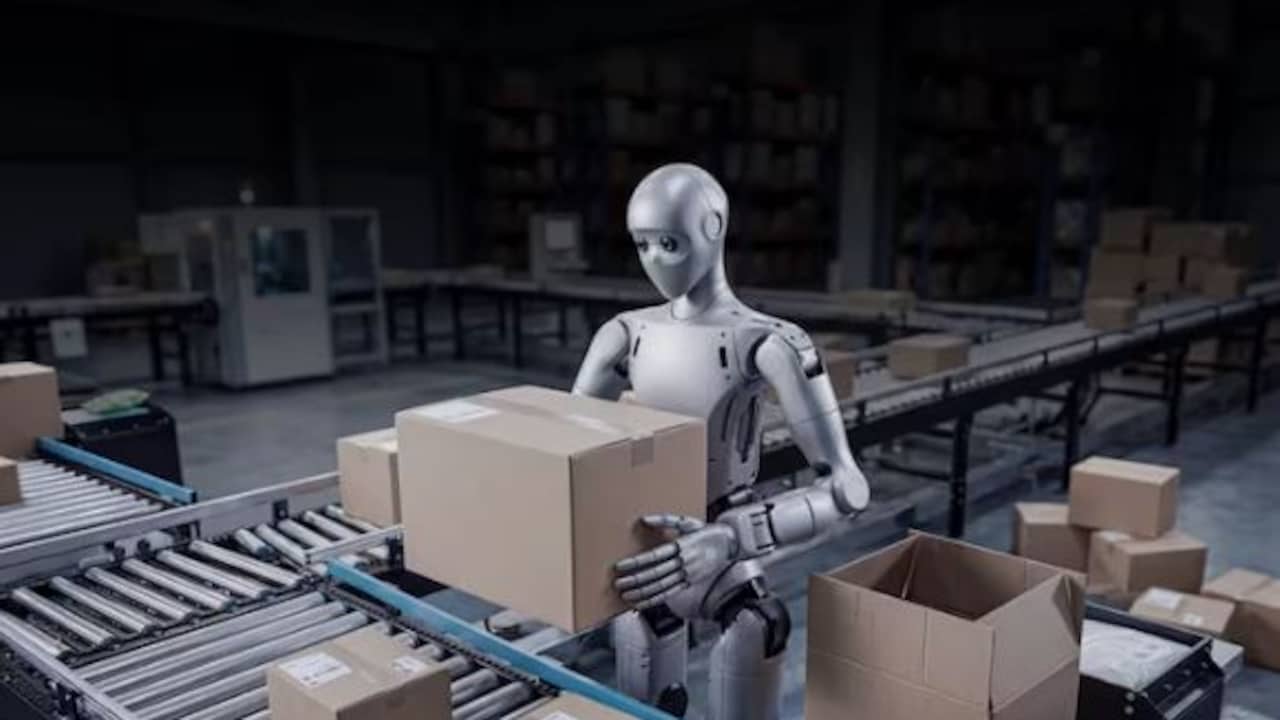
The Federal Communications Commission just drew a hard line in the sand. Washington has barred new foreign-made humanoid robots and power inverters from entering the American market, pointing squarely at Beijing and citing urgent national security threats. If you think this is just standard regulatory red tape, look closer. This move changes the entire playing field for global automation, hardware manufacturing, and artificial intelligence development.
The Real Drivers Behind the Robot Ban
Let us be honest about what triggered this decision. China currently commands roughly 85 percent of the global market for humanoid robots, with companies like Unitree and AGIBOT aggressively scaling production while undercutting Western rivals on price. According to industry data from Omdia, Chinese firms shipped over 5,000 humanoid units each in recent tracking periods, whereas homegrown American alternatives like Tesla and Figure AI shipped a tiny fraction of that volume. Learn more on a similar issue: this related article.
The FCC argues that these advanced machines do much more than assemble auto parts or fold laundry. They collect massive streams of real-time environmental data. Regulators fear that foreign entities could exploit these connected systems to map critical infrastructure, surveil American citizens, or remotely commandeer mobile units during a geopolitical conflict.
Along with humanoids and four-legged robotic dogs, the ban hits foreign-made power inverters. These are the components keeping data centers and solar energy grids running. Officials worry their remote connectivity could give foreign actors a back door to shut down power grids or exfiltrate sensitive network data. Further journalism by Engadget delves into similar perspectives on the subject.
Why Domestic Protectionism Is Only Half the Story
Protecting local manufacturing sounds great on paper, but the reality on the factory floor is messy. Advanced robotics require sophisticated chips and specialized hardware components. Many American developers still rely heavily on global supply chains to build competitive hardware.
Furthermore, this decision arrives right on the heels of mounting tension over artificial intelligence and hardware partnerships. Just recently, collaborations like Nvidia's use of Chinese robot chassis designs raised eyebrows in Washington. When the Pentagon adds major robotics firms to its restricted lists, it creates a cooling effect for cross-border engineering projects.
Critics argue that the ban is classic trade protectionism disguised as national security. Beijing has already pushed back, accusing Washington of weaponizing the concept of national security to suppress rising Chinese competitors ahead of upcoming diplomatic summits.
What This Means for the Future of Automation
If you are building products in the robotics space, the rules of engagement just shifted. Here is what you need to know about the current landscape.
- Existing hardware that already holds prior FCC authorization remains unaffected. You do not have to rip out what is currently working in your facility.
- The restrictions target brand-new imports and future device versions, meaning your pipeline for foreign procurement needs immediate auditing.
- Domestic developers now have a protected runway, but they must scale production speed drastically to fill the massive supply gap left by Chinese manufacturers.
This ban will not halt the relentless pace of global robotics innovation. It will simply force companies to redraw their supply maps and rethink where their hardware comes from. Expect tighter borders, heavier compliance checks, and a fierce race to build independent automation infrastructure on home soil.