When you host 400,000 people on a patch of grass, that grass is going to die. It’s not a mystery. It’s simple physics and basic botany. Yet, we’re back here again, listening to claims that the National Mall’s current state of disrepair is the result of some shadowy cabal of vandals.
Honestly, it’s getting exhausting.
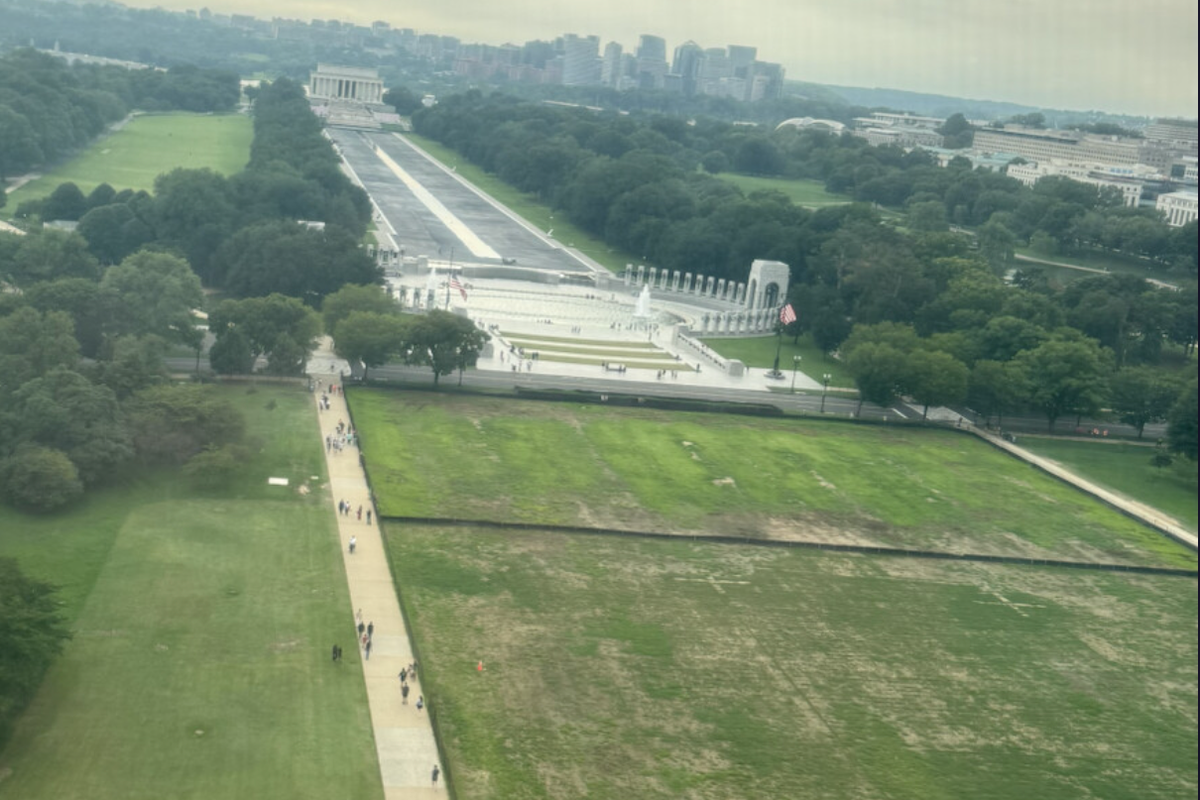
President Trump recently took to social media to point at brown patches of grass near the Lincoln Memorial and the World War II Memorial, suggesting they were the work of deliberate destruction. He’s doubling down on this narrative, linking it to previous issues with the Reflecting Pool. If you’ve spent any time managing large-scale events or public grounds, you know exactly what’s happening. It isn’t vandalism. It’s what happens when you prioritize heavy infrastructure over soil health.
The reality of high traffic events
I’ve seen this play out at festivals, stadium concerts, and public demonstrations. You put a heavy stage, massive lighting rigs, and thousands of temporary chairs on a lawn for a holiday celebration, and the grass beneath gets suffocated. Light can't reach it. Airflow stops. You leave those structures in place for days, and the turf beneath turns yellow, then brown, and eventually dies.
When the structures are removed, the ground underneath looks like a crime scene. But it isn't. It’s a natural reaction to being covered up for too long.
The claim that these specific spots—the ones occupied by July 4 celebrations—were hit by vandals ignores the photographic evidence showing workers dismantling the very stages that caused the shade in the first place. This isn't some deep, dark conspiracy. It's an issue of maintenance scheduling and lack of recovery time for the grounds.
The Reflecting Pool saga
Then there’s the Reflecting Pool. We’ve heard repeated accusations that vandals slashed liners and dumped chemicals, turning the water green and causing the bottom to peel.
Let's look at the facts. Court filings from the U.S. Attorney’s office for the District of Columbia paint a much more mundane, yet frustrating, picture. The peeling, blue sealant mentioned by the President? It started coming off almost immediately after the project was finished. That sounds a lot like a botched installation or a failure in materials, not a criminal act.
When you install a specialized pool liner and it fails within weeks, you don't go looking for a saboteur. You look at your contractors. You look at the quality of the work.
The case against an Olympic athlete accused of damaging the pool was dropped because, simply put, there wasn't a case. The evidence suggested engineering failure, not human malice. Blaming external actors for internal management failures is a classic way to dodge accountability, but it doesn't fix the pool.
Why this keeps happening
There’s a pattern here that goes beyond one specific administration. The National Mall is arguably the most recognizable public space in the United States. It’s a site for protest, celebration, and history. Because of that, it gets hammered.
If you want to keep that grass green, you need a rotation plan. You need to restrict heavy structures in certain areas, or you need to budget for immediate sod replacement and soil aeration the moment the event finishes. If you don't do that, you get exactly what we see now: dead grass and frustrated onlookers.
What actually works
If you are dealing with large-scale event management or public space upkeep, here is the reality of what it takes:
- Recovery windows: You cannot pack back-to-back events into the same location and expect the vegetation to survive. The soil needs to breathe.
- Contractor oversight: If you have recurring issues with materials—like the Reflecting Pool sealant—it is time to change your procurement process or your installation team.
- Transparent communication: People understand that events cause wear and tear. When you call it vandalism, you lose credibility with anyone who understands how landscaping works. It is much more effective to simply say, "This area was heavily used, and we are working on the repair."
Trying to turn standard maintenance problems into political battles is a distraction. It doesn't put water in the pool or life back into the lawn. It just creates noise.
Next time you see a brown patch on the National Mall, don’t look for a vandal. Look at the calendar of events from the previous two weeks. The answer is almost always right there in the schedule. Stop overthinking the politics and start focusing on the actual, practical maintenance required to keep a national treasure looking like one.