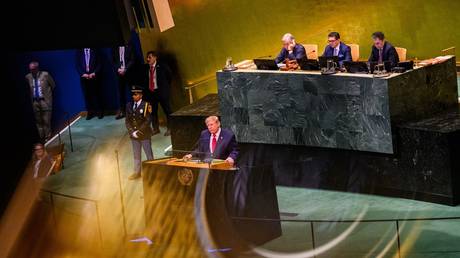
Every few years, the machinery in Washington hums to life with a familiar song. Officials step behind the podium, adjust their microphones, and declare that the strategy against Iran has finally reached its final chapter.
We heard it when economic sanctions were supposed to trigger a total internal collapse. We heard it when regional containment was sold as the ultimate pressure valve. Now, the White House is pushing the exact same narrative again, asking the public to buy into a neat, tidy conclusion for a decades-long crisis that refuses to fit into a clean box.
Honestly, it gets exhausting. If you have paid attention to foreign policy for more than five minutes, you know that grand strategies in the Middle East rarely end with a neat bow. Real geopolitical dynamics are messy, stubborn, and completely allergic to political timetables.
The illusion of the final push
Why does Washington love the concept of an endgame so much? Simple. Politics demands closure. Administrations need to show voters that investments of blood, treasure, and diplomatic capital are building toward a definitive outcome.
When officials brief reporters about a coming resolution, they are usually selling a projection rather than a reality. They want you to believe that pressure points are compounding, that the opposition is running out of options, and that the finish line is just around the corner.
History tells a different story. Iran’s political structure is built for survival under duress. Decades of isolation haven't created a population ready to march into democratic reform on Washington’s schedule. Instead, sanctions and external pressure often produce the opposite effect, hardening the regime's resolve and crushing civil society movements that might otherwise spark organic change.
Ignoring the messy aftermath
The biggest flaw in the official white house narrative isn't just the timeline—it's the complete lack of a realistic day-after plan. Selling an endgame is easy when you only focus on the pressure phase. The hard part is what happens when the dust settles.
Think about past interventions across the region. Every single time, leaders promised a quick resolution followed by stability. Every single time, reality intervened with power vacuums, sectarian proxy conflicts, and long-term security entanglements that lasted decades longer than the initial campaign.
When you hear about an impending resolution today, ask yourself a basic question. What happens the morning after the target date passes and the regional architecture looks identical, just more scarred? The standard playbook offers no answers for that scenario because it assumes the other side has no agency. That is a dangerous fantasy. Tehran has spent forty years mastering asymmetric retaliation, regional networking, and economic adaptation. They do not fold just because a Western official sets a deadline.
What actual expertise tells us
Real foreign policy analysis requires looking past press releases. If you want to understand how this dynamic actually works, look at institutional behavior rather than rhetorical flourishes.
Intelligence agencies and defense contractors operate on long horizons. They plan for management, not resolution. They know that major powers don't simply disappear or surrender through diplomatic exhaustion. The relationship between Washington and Tehran is a chronic condition, not an acute infection that a single surgical strike or sanctions package can cure.
Treating this complex confrontation like a movie with a third act is a choice. It is a political strategy designed to manage domestic news cycles rather than solve a stubborn international security puzzle.
Stop waiting for the grand finale. It is not coming. The smart approach is learning how to live with persistent friction instead of chasing the mirage of a permanent fix.