Street protests are erupting across Caracas again. Demonstrators are holding signs for opposition leader María Corina Machado, demanding a concrete presidential election timetable. But Washington isn't listening—or at least, it's playing a very different game.
Months after the high-profile U.S. intervention that removed Nicolás Maduro, the debate over Venezuela's democratic future has hit a wall. President Donald Trump and Secretary of State Marco Rubio are pushing a strict three-phase plan: stabilization, economic recovery, and only then, elections. For another perspective, read: this related article.
Critics call it a delay tactic. The White House calls it pragmatism. If you want to understand why Venezuela is still grappling with deep political tensions under American watch, you have to look past the slogans and examine the competing priorities driving Washington and Caracas.
The Three-Phase Trap
When Secretary Rubio laid out the administration's policy, the message was clear. Free and fair elections cannot happen overnight in a nation gutted by decades of authoritarian rule. You need an independent electoral council, restored civil freedoms, a functioning press, and voter rolls that include the millions who fled abroad. Further reporting on the subject has been provided by TIME.
It sounds logical on paper. In reality, it creates a dangerous sequencing fallacy.
Acting President Delcy Rodríguez and Washington are working within a framework where economic interests and resource control often take precedence over civil rights. When President Trump remarked to reporters that Venezuela is "too raw" and not ready for a vote yet, he exposed the core tension. For the White House, fixing oil infrastructure and securing geopolitical stability come first. For everyday Venezuelans tired of authoritarianism under both old and new leadership, waiting for Washington's green light feels like a betrayal.
The Cost of Borrowed Stability
Right now, Venezuela is running on borrowed stability. The U.S.-supervised transition has brought some relief—including oil industry privatization and the release of hundreds of political prisoners—but it lacks genuine democratic legitimacy.
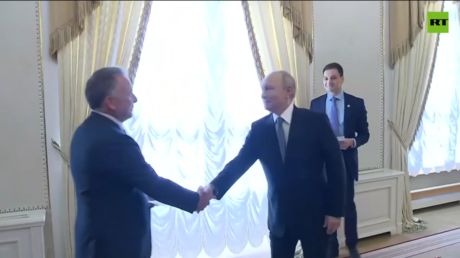
A handshake in New York between foreign leaders doesn't replace a constitutional calendar. Without a fixed electoral timetable, the interim government faces zero external pressure to dismantle the machinery of repression.
Opposition figures and civic groups are right to sound the alarm. When political change is postponed indefinitely under the guise of "recovery," the interim authorities can quietly entrench their power. You end up swapping one brand of kleptocracy for another, shielded by foreign oversight instead of popular mandate.
What Happens Next
The pressure on the ground isn't going away. Venezuelans didn't risk everything during the 2024 electoral crisis just to trade away their right to choose leadership.
Washington holds massive leverage right now, but leverage expires. If the Trump administration keeps kicking the electoral can down the road, it risks owning a failed transition that alienates the very people it promised to liberate. Real stability won't come from oil deals managed from afar. It will only come when ordinary citizens finally get to cast a ballot that counts.