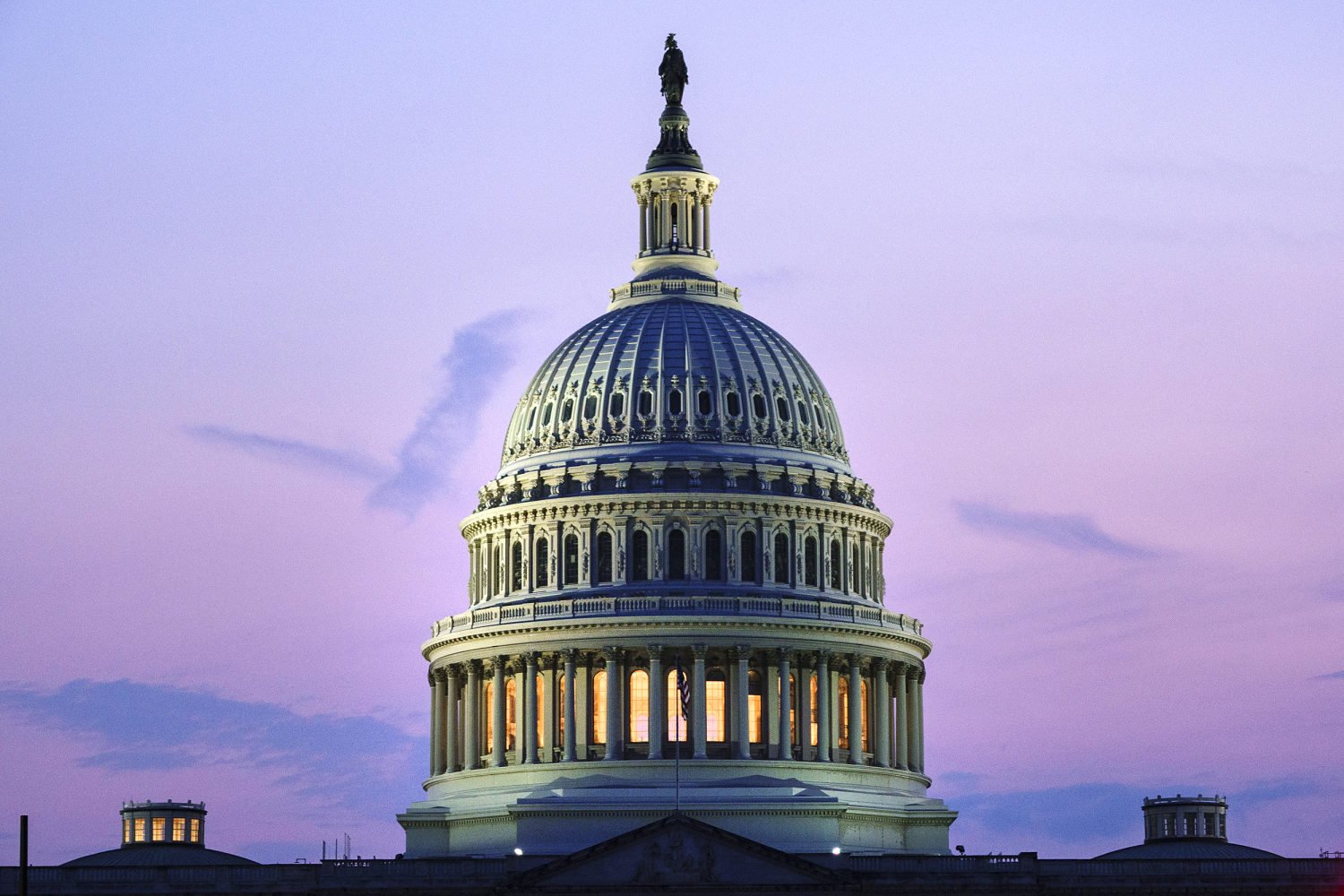
Washington is broken. Everybody knows it, but nobody wants to admit why. The physical halls of Congress don't change, yet the power structures inside them shift constantly. If you're tired of surface-level political coverage that treats every congressional vote like a sports score, let's look at the real mechanics driving the current evolution of the U.S. House of Representatives.
The Anatomy of a Fractured Majority
Controlling the lower chamber used to mean having a reliable whip count and a handful of seasoned committee chairs who could cut deals behind closed doors. Those days are gone. Today's congressional margins are razor-thin, turning every single vote into high-stakes theater. Building on this theme, you can also read: Why France Is Terrified Of This Weekend And What Macron Plans To Do About It.
When you have a majority measured by a handful of seats, party leadership loses its coercive power. Defectors know their individual votes are essential. They extract concessions, delay floor votes, and turn routine funding bills into ideological battlegrounds.
- Margins are too narrow for discipline.
- Traditional committee authority is eroding.
- Individual members wield veto power over leadership.
This structural reality forces constant horse-trading. It's why major legislation stalls out, gets rewritten on the fly, or passes with bizarre, bipartisan coalitions that would have shocked lawmakers twenty years ago. Analysts at USA Today have shared their thoughts on this matter.
Behind Closed Doors vs. Public Posturing
Most voters assume floor debates matter. They don't. The real work happens in private caucus rooms and informal working groups where members hash out policy without cameras rolling.
Take recent battles over federal spending and oversight. The public sees fiery speeches on cable news, but the actual policy shifts happen through quiet procedural maneuvers. Members use amendments and rule votes to signal loyalty to various factions. If you aren't watching the committee markups and motion-to-recommit votes, you're missing the actual story.
"When margins disappear, the rules themselves become the weapon."
The Local Impact on National Politics
Nationalized elections mean local representatives spend less time fixing district infrastructure and more time auditioning for national media spots. Fundraising is decentralized, driven by online small-dollar donations from across the country rather than local business PACs.
This changes incentives completely. A representative from a safe rural district faces zero pressure to compromise with the opposing party. Their primary threat comes from a primary challenger further down the ideological spectrum, not the general election opponent.
What Comes Next
Don't expect Congress to return to normal functioning anytime soon. The structural incentives rewarding obstruction and polarization are too strong. To make sense of what happens next, stop watching the pundits and start tracking the procedural votes, committee maneuvers, and funding deadlines that actually force Washington to act.
After long break, House returns to a changing political landscape
This video is relevant because it explores how lawmakers confronted a shifting political landscape and pressing legislative deadlines upon returning to Washington.
http://googleusercontent.com/youtube_content/1