Washington wants action, and it wants it now. A visiting US congressional delegation recently touched down in Canberra with a very direct message for Australian leaders: scrap the Chinese-owned lease on the Port of Darwin and push military budgets much higher.
If you have been watching the shifting geopolitics of the Indo-Pacific, this high-pressure diplomatic nudge shouldn't surprise you. But the bluntness of the demands reveals just how narrow Australia's room for independent strategic maneuver has become under the weight of the alliance.
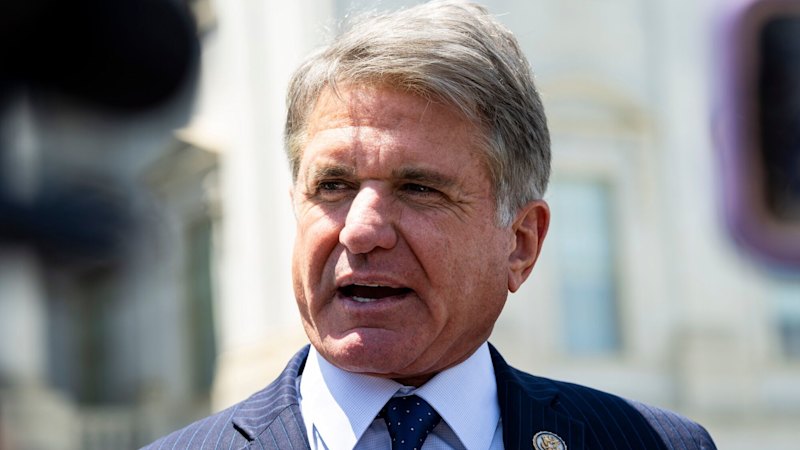
During high-level meetings with key officials like Deputy Prime Minister Richard Marles, Foreign Minister Penny Wong, and Defense Industry Minister Pat Conroy, American lawmakers didn't mince words. Led by figures including Republican congressman and Friends of Australia caucus co-chair Michael McCaul, the delegation made it clear that long-standing commercial arrangements are now viewed strictly through the lens of great power competition.
The Darwin Port Dilemma
The root of this friction goes back to a controversial 2015 decision. That year, the Northern Territory government signed off on a 99-year lease of the strategic Port of Darwin to the Chinese-owned Landbridge Group. At the time, Canberra under the Turnbull government waved it through.
Fast forward to today, and that infrastructure asset sits right in the crosshairs of US security concerns. Darwin isn't just any commercial port; it serves as a critical strategic hub in northern Australia, increasingly hosting rotational deployments of US Marines and advanced military hardware. Having a private foreign firm tied to a strategic competitor manage the docks next door makes Washington deeply uneasy.
The US delegation pressed Canberra to accelerate efforts to untangle itself from that 99-year contract. While Australian officials have previously pointed to ongoing reviews and national interest grounds, Washington wants a faster exit strategy.
The Price Tag of the Alliance
Beyond real estate and shipping lanes, the conversation quickly turned to cold, hard cash. Washington made it abundantly clear that current defense spending trajectories aren't cutting it.
The US message is that Australia needs to ramp up its defense budget toward 3.5 percent of gross domestic product. That figure goes far beyond standard NATO benchmarks or traditional Australian spending baselines. It reflects an American expectation that its key allies must fund robust, front-line capabilities to counter growing security pressures in the region.
Tying defense spending increases directly to AUKUS implementation and critical mineral supply chain security creates a massive financial and policy burden for Canberra. You cannot decouple military posture from industrial policy anymore. Every trade route, mineral deposit, and port authority is now part of the same defense calculation.
The Cost of Strategic Compliance
For Australia, yielding to these explicit American demands carries a heavy downside. For starters, forcing an early termination of a legally acquired commercial lease risks rattling foreign investor confidence. International capital relies on the predictability and contractual integrity of local laws. If governments can retroactively tear up multi-decade leases because geopolitical winds shift, boardrooms notice.
At the same time, critics argue these episodes expose a stark reality about modern alliances. When foreign lawmakers can openly lobby a sovereign government to alter its domestic infrastructure and budget priorities, local strategic autonomy shrinks.
The Albanese government finds itself walking a tightrope. It must maintain absolute lockstep with its primary security partner in Washington while trying to protect its economic interests and independent reputation on the world stage.
Expect these demands to get louder as great power friction intensifies. Canberra can stall or negotiate timelines, but the pressure to pick a side in infrastructure and defense will only accelerate.