Foreign policy rarely moves in straight lines. Right now, Washington is tangled in a volatile standoff with Iran, and Beijing is watching every move like a hawk.
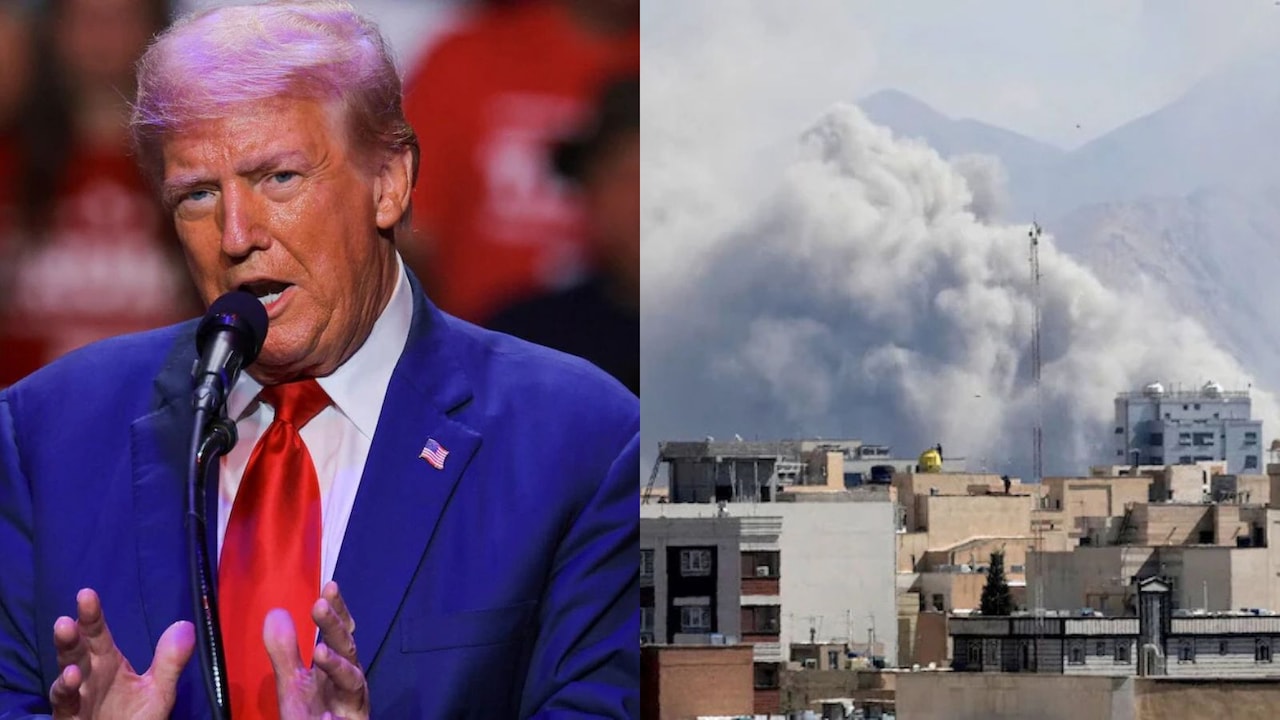
Donald Trump's aggressive foreign policy posture and lingering disruptions around the Strait of Hormuz have created a massive vacuum in the Middle East. If you think the White House holds all the cards in the region, look closer. China is quietly positioning itself as the adult in the room, courting Gulf leaders, and setting the stage for a major geopolitical coup ahead of the upcoming APEC summit in Shenzhen.
The Diplomatic Offensive in Beijing
Look at the calendar. While American politics obsess over midterm election fallout, Beijing has rolled out the red carpet for heavyweights. Oman's Sultan Haitham bin Tariq made a historic trip to China, marking the first time an Omani head of state has visited since diplomatic ties formed nearly fifty years ago.
Simultaneously, Chinese Foreign Minister Wang Yi hosted high-ranking officials from Saudi Arabia and Iran. Xi Jinping used the moment to warn against turning the Middle East into an arena for proxy wars and great power rivalry.
It is a clever strategy. Beijing is offering a vision of regional stability while Washington threatens renewed military action. You do not have to love China's governance model to see why Gulf states are taking these calls. They want predictability. Trump's unpredictable threats and constant brinkmanship give them anything but.
Energy Leverage and Economic Realities
Let us talk about oil, because that is where the real leverage lives. China buys roughly 90 percent of Iran's crude exports. That makes Beijing Tehran's ultimate financial lifeline.
Yet, China plays hardball when its own economic interests are threatened. Earlier this year, as the conflict escalated, Beijing slashed its crude imports from Iran by a staggering 30 percent. That single move plunged monthly imports to a ten-year low.
Why did they do it? Simple economics. Protracted closures and tanker threats in the Strait of Hormuz spike global energy prices, stoke inflation, and choke off demand for Chinese manufactured goods worldwide. Beijing absorbed the shockwaves and used its economic muscle to protect global markets while quietly keeping Tehran on a short leash.
When you control the checkbook, you dictate the terms. Iran needs China's purchases to survive, and Beijing knows it.
The Soft Power Victory
Washington is losing the global narrative battle. Data from the Pew Research Center shows that China currently enjoys higher favorability ratings than the United States across a majority of surveyed countries.
Every time a joint strike hits a Middle Eastern target or a trade route faces indefinite closure, America's reputation takes another hit. China does not even need to deploy troops or empty its treasury to win this game. They just need to look like a steady, reasonable alternative to American volatility.
Xi Jinping already pulled off a diplomatic stunner in 2023 by brokering a détente between Saudi Arabia and Iran. Now, with special envoys packing their bags for regional capitals, Beijing is doubling down on its mediator image.
What Happens Next
Trump faces a brutal dilemma. He wants a decisive deal to reopen the Strait of Hormuz and score a quick diplomatic win, but his threats of renewed military action risk blowing up the fragile negotiations currently underway.
If talks fail and bombs start falling again, energy prices will spike, global shipping lanes will panic, and China will step right into the vacuum as the peaceful mediator the region desperately craves.
Washington built its Middle Eastern strategy on military dominance and heavy-handed sanctions. Beijing is building its future on trade, quiet diplomacy, and economic dependence. Right now, the latter is winning. Stop expecting traditional alliances to hold the line when the incentives have completely shifted.