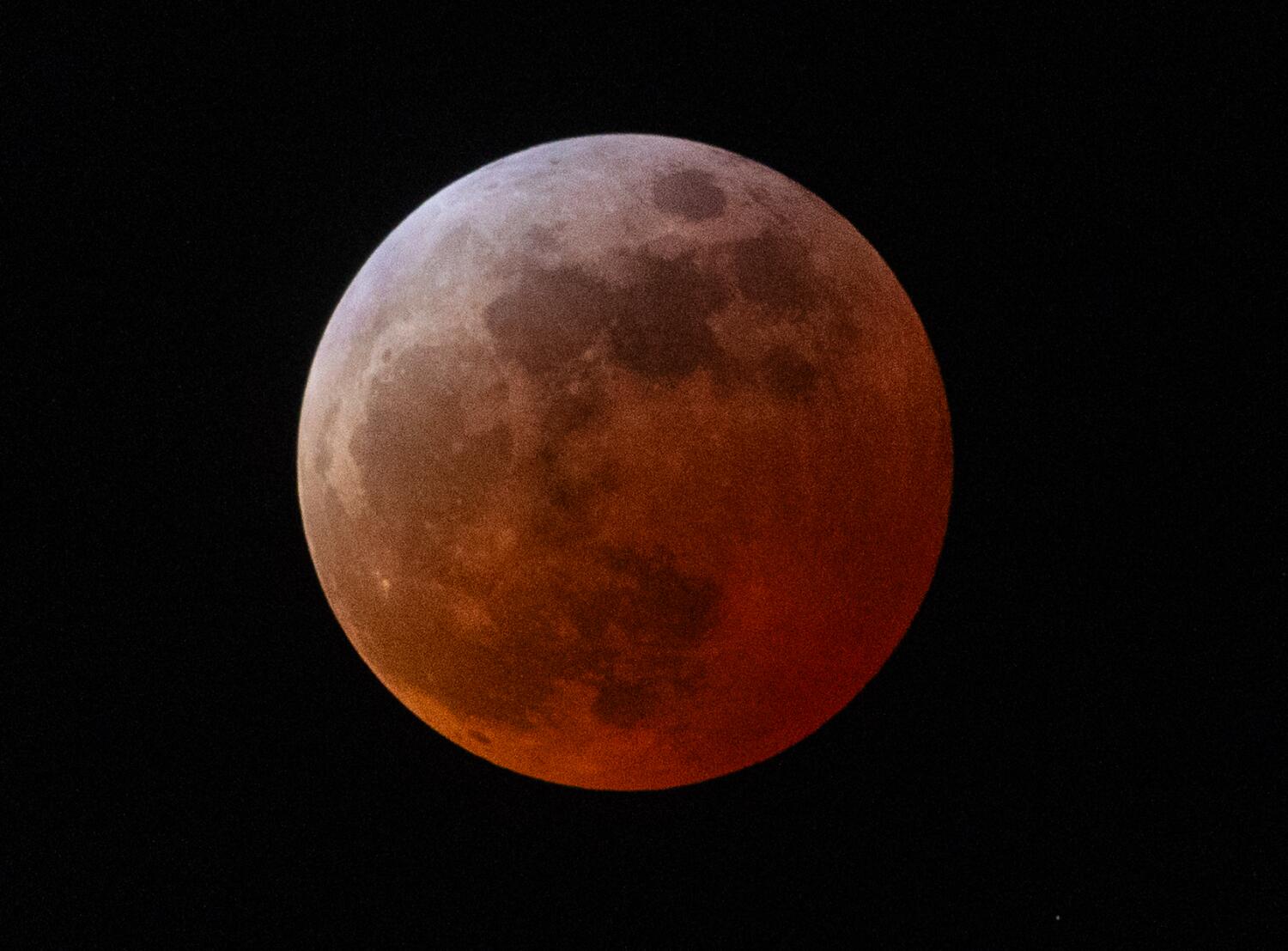
Stargazing in Los Angeles usually means fighting light pollution or driving two hours out to Joshua Tree. This time, you don't need to pack up the car. A massive partial lunar eclipse is turning 96% of the full moon a deep, coppery red, and Southern California sits right in the sweet spot for the entire show.
Forget what you've heard about needing fancy gear. You don't need a telescope, specialized solar glasses, or a photography degree. You just need clear southeastern skies and a horizon that isn't blocked by your neighbor's apartment building.
Timing the Partial Blood Moon
The absolute biggest mistake people make during eclipses is showing up at peak time and wondering why they can't see anything yet. Physics moves on its own schedule.
Here is how the timeline breaks down for local time:
- 7:17 PM: The moon officially clears the southeastern horizon. By this point, the penumbral stage is already underway, though it's tough to spot with the naked eye.
- 7:34 PM: The umbral eclipse begins. This is where the fun starts. The core of Earth's shadow takes a visible bite out of the lunar disk, painting it that signature blood-red hue.
- 9:12 PM: Maximum eclipse hits. Nearly the entire lunar surface—96 percent of it—drifts deep into the Earth's shadow.
- 10:51 PM: The partial shadow phase wraps up, leaving a normal full moon trailing into the midnight hour.
Where to Watch Without Losing Your Mind
If you head up to the Griffith Observatory, expect absolute gridlock. Between the public wanting to catch the live broadcast on-site and a simultaneous show happening at the nearby Greek Theatre, parking will vanish instantly. If you do brave the hill, remember that large gear like lawn chairs, coolers, and tripods are banned from the terraces.
Skip the tourist traps. You can catch an identical view from your local park, a neighborhood hill, or even your apartment balcony, provided you look toward the east-southeast right after sunset. The beach works wonders too, since the ocean provides a naturally flat, unobstructed low horizon.
Why the Moon Turns Red
People throw around the phrase "blood moon" like it's magic, but it is actually just a giant atmospheric filter. When the moon slides behind the Earth, direct sunlight gets cut off. The only light reaching the lunar surface has to squeeze through the edges of the Earth's atmosphere.
Think of every sunrise and sunset happening across the globe simultaneously. That filtered, scattered orange and red light bends toward the moon and bounces back to your eyes. You are basically watching every sunset on Earth projected onto the lunar surface at once.
Grab a light jacket, step outside after dinner, and look up.