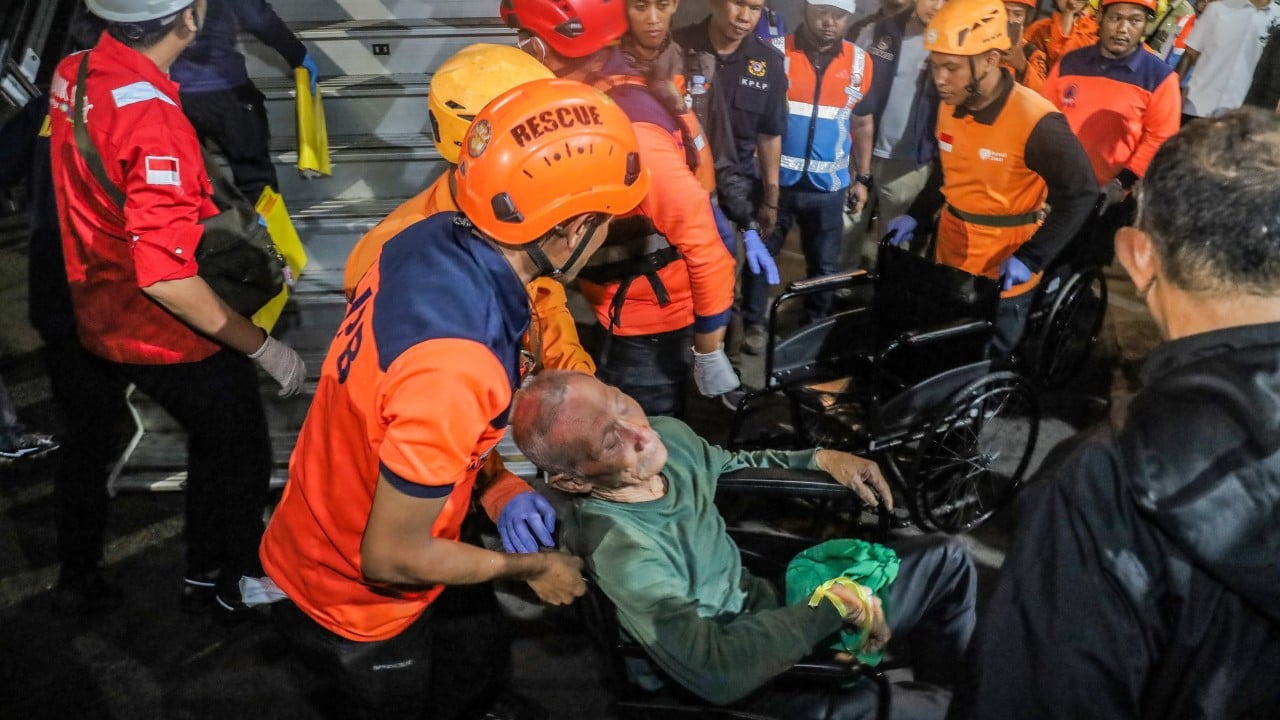
Thick black smoke poured across the Java Sea as panic set in on the upper decks. At least five people lost their lives and dozens remain missing after the Mutiara Sentosa 2 ferry caught fire off Indonesia's Madura Island.
When 271 passengers and crew members board a vessel for a standard 40-hour transit between Surabaya and Makassar, survival shouldn't depend on jumping into rough open water. Yet, that is precisely what happened on a Sunday morning when flames tore through the ship.
Understanding the Disaster
The tragedy unfolded quickly. The ferry was carrying 232 passengers, 39 crew members, and an extensive cargo load of 181 vehicles, mostly trucks, along with heavy machinery like an excavator.
According to survivor accounts, the fire originated on the lower vehicle deck. Ahmad Abdul Karim, a survivor of the ordeal, noted that the situation escalated within minutes. Someone rushed upstairs to warn passengers about smoke, and by the time people investigated, multiple vehicles were already ablaze. Fueled by wind and heavy cargo, the fire spread across the 160-meter vessel in under half an hour.
Passengers were forced to cluster on the bridge and bow, wearing life jackets while waiting for assistance. Some individuals chose to jump directly into the sea to escape the searing heat and choking smoke before nearby vessels could arrive.
The Response and Rescue Operations
Coordination challenges plagued the early hours of the emergency. The operator, PT Atosim Lampung Pelayaran, reported the incident to the Surabaya search and rescue office about an hour after the fire started, noting that contact with the captain had been lost.
Authorities had to rely on passing commercial ships, such as the Meratus Project 3, to locate the burning hull roughly 19 nautical miles north of Buruan Sapudi Island. Because the cargo vessel carried flammable materials of its own, it couldn't pull close enough for an immediate rescue.
Fortunately, other nearby vessels including the TB Hasnur 26 and the British Mentor moved in to pull people from the water. By Sunday afternoon, Indonesia's National Search and Rescue Agency (Basarnas) confirmed that 225 to 227 people had been successfully rescued, while five bodies were recovered.
Efforts by local emergency teams faced immediate hurdles. A rigid inflatable boat sent from the Sumenep rescue post had to turn back due to dangerous seas and high waves. Meanwhile, a dedicated rescue ship dispatched from Surabaya faced a six-hour journey to reach the coordinates, prompting the Indonesian Navy to deploy a warship to assist.
Safety Realities in an Island Nation
Indonesia spans over 17,000 islands, making passenger ferries a critical lifeline for domestic travel and commerce. However, maritime accidents remain a recurring issue.
Critics point to systemic challenges in regulatory enforcement, vehicle cargo management, and emergency readiness. Fires originating from vehicle decks are particularly dangerous on roll-on/roll-off ferries because fuel tanks, tight parking spaces, and batteries can transform a single spark into a total loss. When safety protocols fail under pressure, passengers pay the ultimate price.
Investigations into the exact cause remain active, but accountability and infrastructure upgrades are long overdue across the region's shipping corridors.
Five Dead, 41 Missing After Indonesia Ferry Fire | 10 News
This short news broadcast provides visual confirmation of the search updates and rescue footage following the ferry fire off Madura Island.
http://googleusercontent.com/youtube_content/1