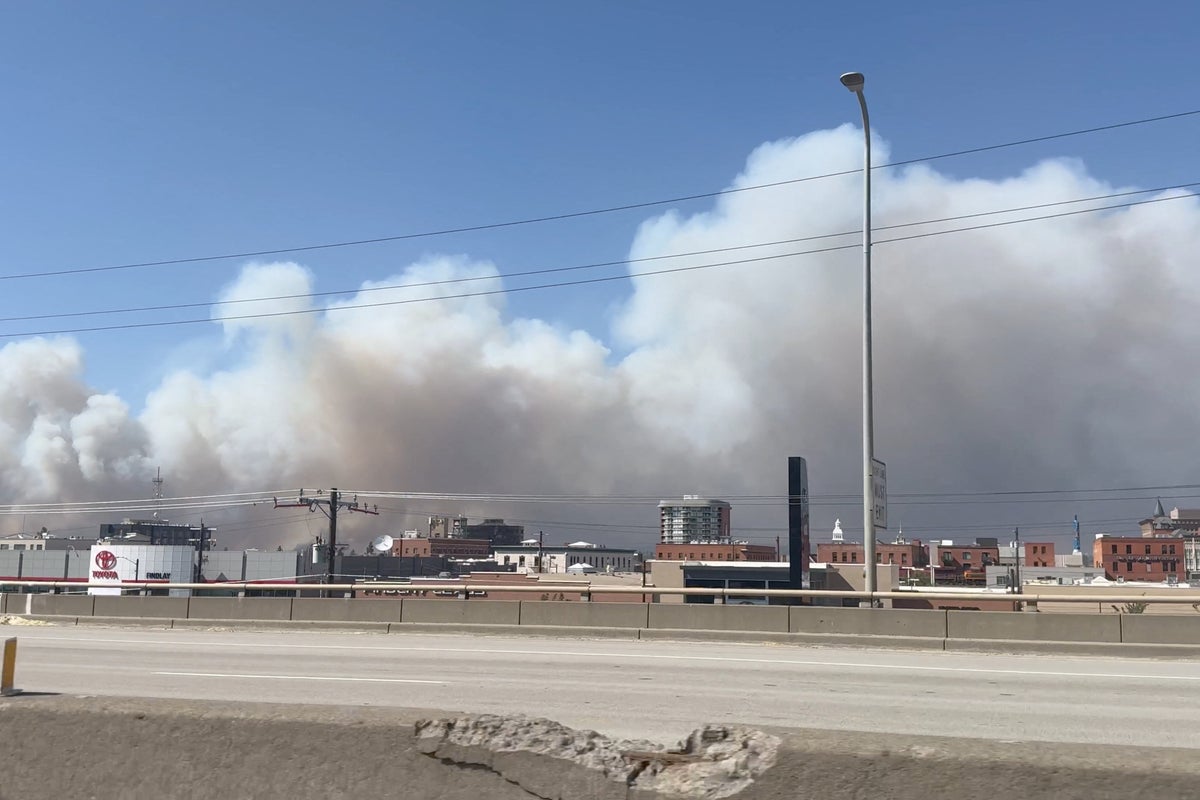
The smoke rolled over northwest Spokane so fast that residents barely had time to grab their pets before the gridlock started. When the Old Trails Fire ignited, nobody expected it to mutate into one of the most destructive blazes in Washington state history.
You look at the charred remains of the Indian Trail neighborhood today, and the scale of the destruction defies easy explanation. Over 600 structures collapsed under the weight of hurricane-force wind gusts and dry brush. Governor Bob Ferguson declared an immediate state of emergency, but Mother Nature had already outpaced the response teams.
Anatomy of a Fast-Moving Disaster
Fires don't behave normally when winds sustained between 35 and 45 miles per hour enter deep canyons. The Old Trails Fire started around noon on the West Plains, chewing through dry grass and timber litter with terrifying speed.
Terrain dictates destiny in eastern Washington. The Spokane River cuts right through the city, flanked by steep, rugged bluffs. Those natural rock formations acted like wind tunnels. They sucked the flames upward, allowing the fire to jump the river and barrel straight into populated suburbs.
The National Weather Service issued a rare "particularly dangerous situation" red flag warning. Firefighters faced zero containment within hours of ignition. Aircraft grounded themselves because the smoke density and wind shear made flying suicidal.
Evacuation Chaos on the Front Lines
Level 3 "Go Now" evacuation orders hit phones across Spokane County like an air raid siren. Thousands of families jammed two-lane roads, watching orange and red walls of fire creep over the highway ridges.
If you've never tried to evacuate a dense suburb while power grids fail and traffic stalls, you cannot understand the panic. Power company Avista implemented emergency public safety shutoffs, plunging neighborhoods into darkness just as the orange glow illuminated the afternoon sky.
Evacuation shelters filled up quickly at local community centers and convention halls. Cots lined the floors. People woke up the next morning to learn that entire blocks they called home had been reduced to ash and twisted metal.
The Reality Behind Wildfire Preparedness
Everyone talks about defensible space until a 40-mile-per-hour windstorm carries embers a quarter-mile across a river. Standard homeowner insurance policies are about to face a brutal reality check across the Pacific Northwest.
Local fire chiefs noted that even elite tactical deployments struggled against the sheer velocity of the spread. California interagency management teams rushed north to shadow local crews, but human intervention matters very little when fuel and wind align this aggressively.
Stay alert to local emergency alerts if you live anywhere near the Pacific Northwest timberline. Pack your essentials before the sky turns orange. Do not wait for a knock on the door.