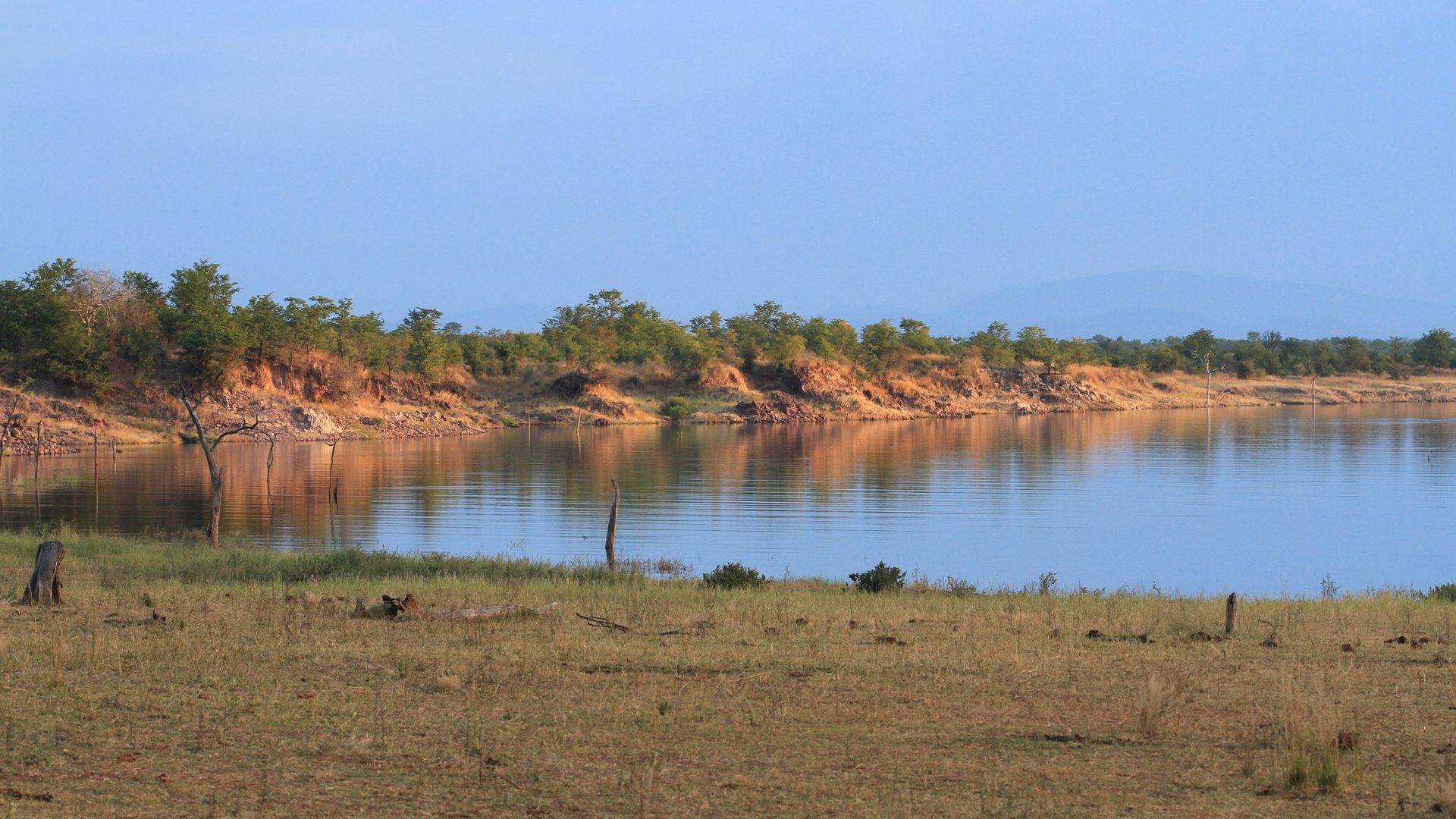
Forty-four lives are gone because a boat left the shore too heavy and the weather turned bad. That is the stark reality of the disaster on Zimbabwe's Lake Kariba.
The government-operated ferry, managed by the Rural Infrastructure Development Agency, capsized with well over a hundred people packed inside. It was designed to carry ninety. You don't need a degree in maritime logistics to know what happens when you overload a vessel and throw rough waves into the mix. Disaster happens. And it keeps happening on inland waterways across southern Africa because enforcement remains weak and rural transport options are painfully limited. In other news, read about: Why Zhu Rongji Mattered More Than Anyone Else In Modern Chinese Economic History.
Let's look at what actually transpired, why these tragedies recur, and what needs to change if we want to stop writing these exact same articles next year.
The Timeline and the Toll on Lake Kariba
The numbers tell a grim story. Ticket records show that 114 adult passengers and five crew members boarded the vessel on Tuesday morning from the northern town of Kariba. That puts the known total at 119 people on a boat rated for 90. Worse still, that figure does not account for young children who were too small to need tickets. The Washington Post has analyzed this fascinating topic in great detail.
Rough weather hit shortly after departure. Witnesses reported that strong waves battered the ageing ferry, causing its engines to fail and water to flood the deck.
Rescue efforts kicked into gear as local boats, national park helicopters, and army divers rushed to the scene. Seventy-seven survivors were pulled from the water and taken to safety on Long Island. But the death toll climbed rapidly as search teams recovered bodies from the massive man-made lake. Zimbabwe Republic Police confirmed the grim milestone: 44 dead.
Why Do People Keep Boarding Overloaded Boats?
It is easy to blame passengers for stepping onto an obviously crowded ship. But reality is rarely that simple.
For rural communities living around Lake Kariba, which sits on the border with Zambia, these ferries are not tourist cruises. They are essential lifelines. People rely on them to reach markets, visit family, and transport goods across a massive body of water where alternative roads are long, expensive, or non-existent. When a ferry is your only way home, you take the risk. You cross your fingers and hope the weather holds.
Local politicians and witnesses noted that people on the shore expressed worry about the rough water before the boat even left the dock. They saw the angry waves. They saw the low clearance. Yet the vessel departed anyway.
The Broader Pattern of Inland Water Disasters
This isn't an isolated incident. Lake Kariba has a history of deadly accidents.
Back in 2014, twenty-six people drowned on the Zambian side when a boat carrying people to independence day celebrations capsized. Smaller incidents happen with frustrating regularity. In late 2024, a boat capsized during a storm, and other fishing vessel accidents routinely claim lives.
The root cause is a dangerous mix of three factors:
- Aging infrastructure: Many of the public and private watercraft plying these routes are old and lack modern safety features.
- Lax capacity enforcement: Operators frequently ignore ticket limits, packing vessels past their safe thresholds to maximize earnings or accommodate desperate travelers.
- Unpredictable weather: Lake Kariba spans thousands of square kilometers. It can shift from calm to treacherous in minutes when seasonal storms roll in.
What Needs to Happen Next
If authorities want to prevent another tragedy like the Kariba capsizing, token warnings aren't enough. Local departments have previously urged operators to respect capacity limits, but warnings without teeth are just background noise.
Real change requires strict dockside policing. If a boat has a capacity of 90, the 91st person shouldn't be allowed on the deck. Period. Furthermore, investment in reliable, modern public transport vessels would mean communities don't have to choose between staying stranded and risking their lives on unsafe hulls.
Until local regulatory bodies back up their safety guidelines with actual enforcement, the waters of Lake Kariba will remain a hazard for the people who depend on them every single day.