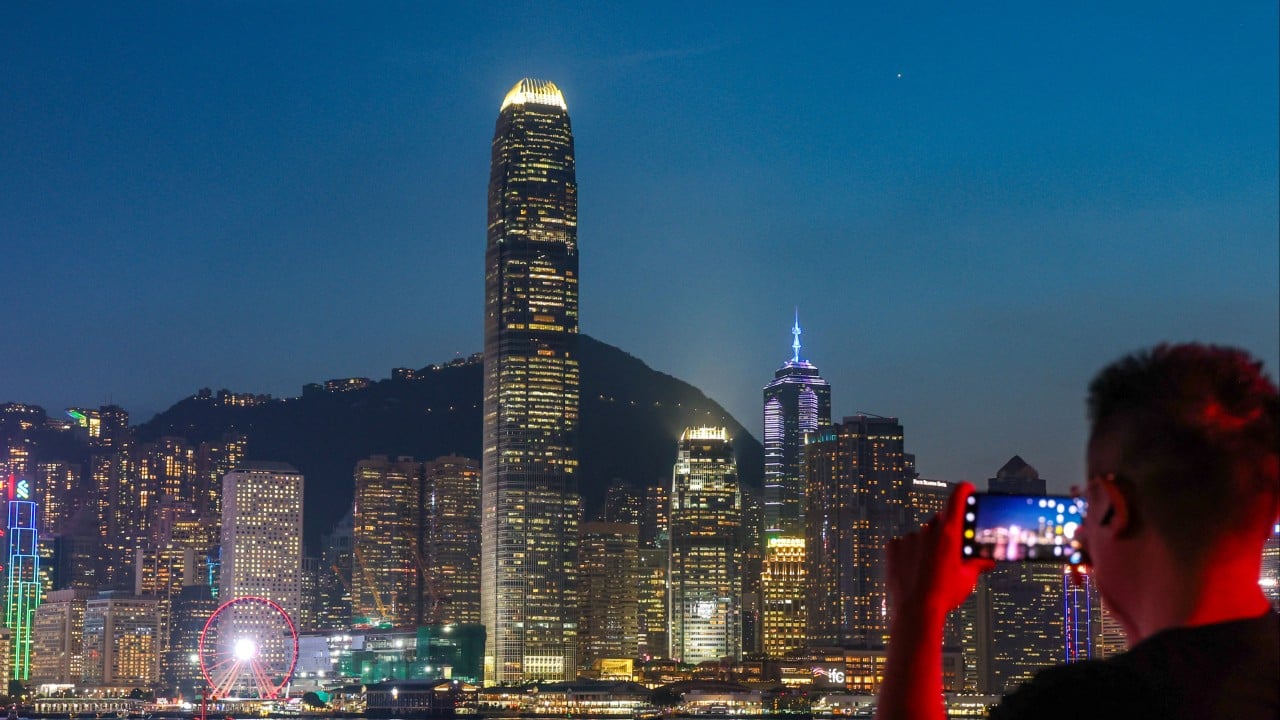
Big cultural dreams cost real money. Hong Kong's flagship West Kowloon Cultural District is learning this lesson the hard way.
The West Kowloon Cultural District Authority reported a deficit of HK$998 million for the 2025/26 financial year. That is a sharp jump of about HK$229 million, or nearly 30 percent, compared to the previous period. Everyone loves world-class museums and performing arts venues until the bills arrive. Now, the district faces mounting pressure as its initial endowment runs dry.
Where the Money Goes
Operating expenses climbed higher over the past year for a few distinct reasons. Chief among them is the intense preparatory work required for the West Kowloon Performing Arts Centre. Opening new cultural venues demands massive upfront spending on technical infrastructure, staffing, and facility management long before the doors ever open to ticket-holding crowds.
Visitor numbers are up, and the business scope has expanded. That sounds like a win on paper. In reality, handling thousands of extra tourists increases daily cleaning, security, and utility costs immediately. At the same time, the authority spent heavily on upgrading digital applications and facility management systems to keep pace with modern expectations.
Revenues did grow. Ticket sales and corporate sponsorships jumped significantly, driving overall income to HK$768 million up from HK$645 million. The cost recovery rate ticked up from 37 percent to 40 percent. But ticket sales alone cannot plug a billion-dollar hole.
The Ticking Clock on Government Funds
The core problem isn't just about rising utility bills or ticket prices. It is a structural funding cliff.
Back in 2008, the government handed the project a one-off endowment of HK$21.6 billion. That money was supposed to sustain the district's long-term development. Instead, it is projected to be fully exhausted by the 2026/27 financial year.
Interest income has already taken a massive hit. As the initial capital pool shrank and cash was deployed into active projects, interest earnings dropped to HK$871 million. Chief Executive Betty Fung Ching Suk-yee warned that this funding stream will keep shrinking as more capital goes toward day-to-day operations and new construction.
When the endowment disappears, the district must stand on its own feet. Right now, it is nowhere near self-sufficient.
Shifting Strategies to Avoid Collapse
Waiting for a financial rescue is no longer an option. The authority is actively reworking its playbook to survive the coming cash crunch.
Loans and bonds are entering the mix. The authority previously secured a HK$3 billion, ten-year banking facility with the Industrial and Commercial Bank of China (Asia) to boost liquidity. It also laid groundwork for a medium-term note program aiming to raise up to US$1 billion through bond sales to widen funding sources.
Commercial development is the ultimate exit strategy. The district is leaning heavily on commercial and residential projects to generate reliable, recurring income. The Arts Plaza project, featuring three commercial office towers built through a public-private partnership, is slated for completion by 2027. That project is expected to inject stable rental revenue into the authority's balance sheet.
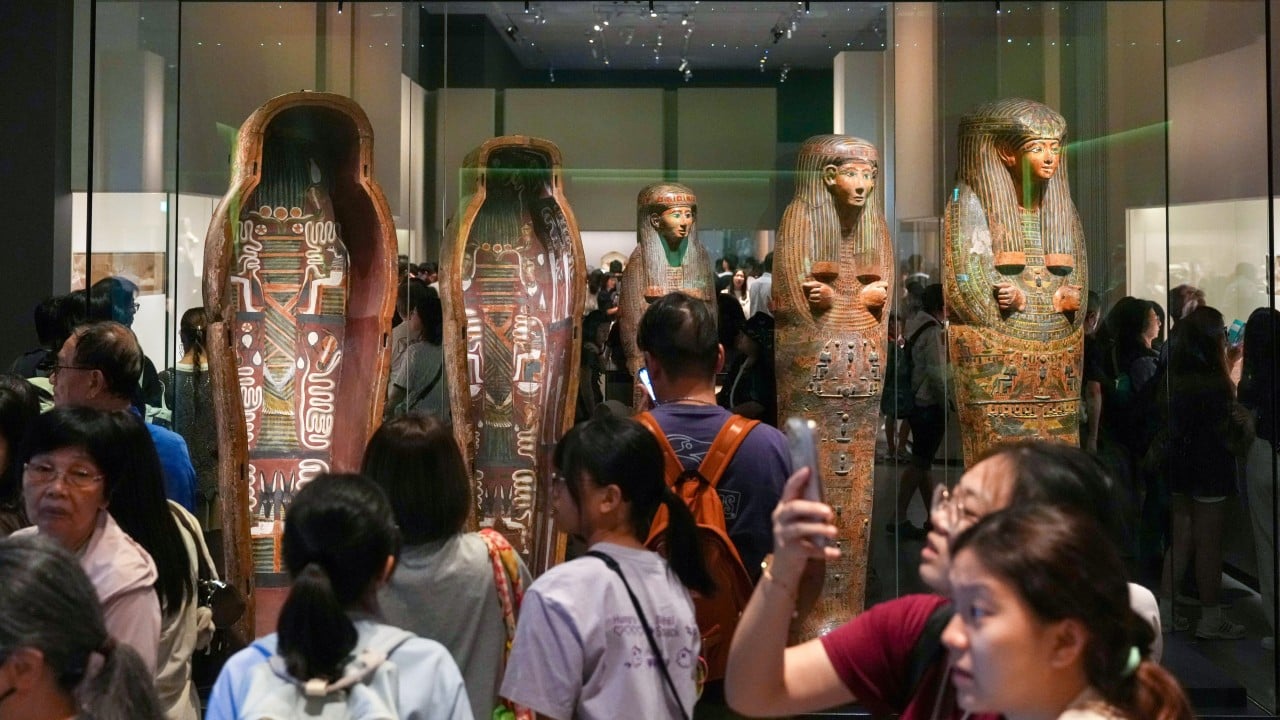
Retail operations are also pulling their weight. Popular exhibitions like The Ancient Unveiled: Treasures from Egyptian Museums drove massive demand for cultural merchandise, more than doubling overall retail income.
What the Numbers Actually Mean for the Future
If you look past the headlines, West Kowloon is caught in a difficult transition phase. It has transformed from an empty reclaimed site into a vibrant cultural hub featuring world-class institutions like M+ and the Hong Kong Palace Museum. But building the physical infrastructure was the easy part. Operating a massive arts district sustainably in an expensive global city requires a ruthless commercial mindset.
The next twelve months will determine whether these new financing strategies and commercial partnerships can stabilize the balance sheet before the original government funds vanish entirely. Culture matters, but without a functioning business model, even the grandest arts hubs will struggle to keep the lights on.