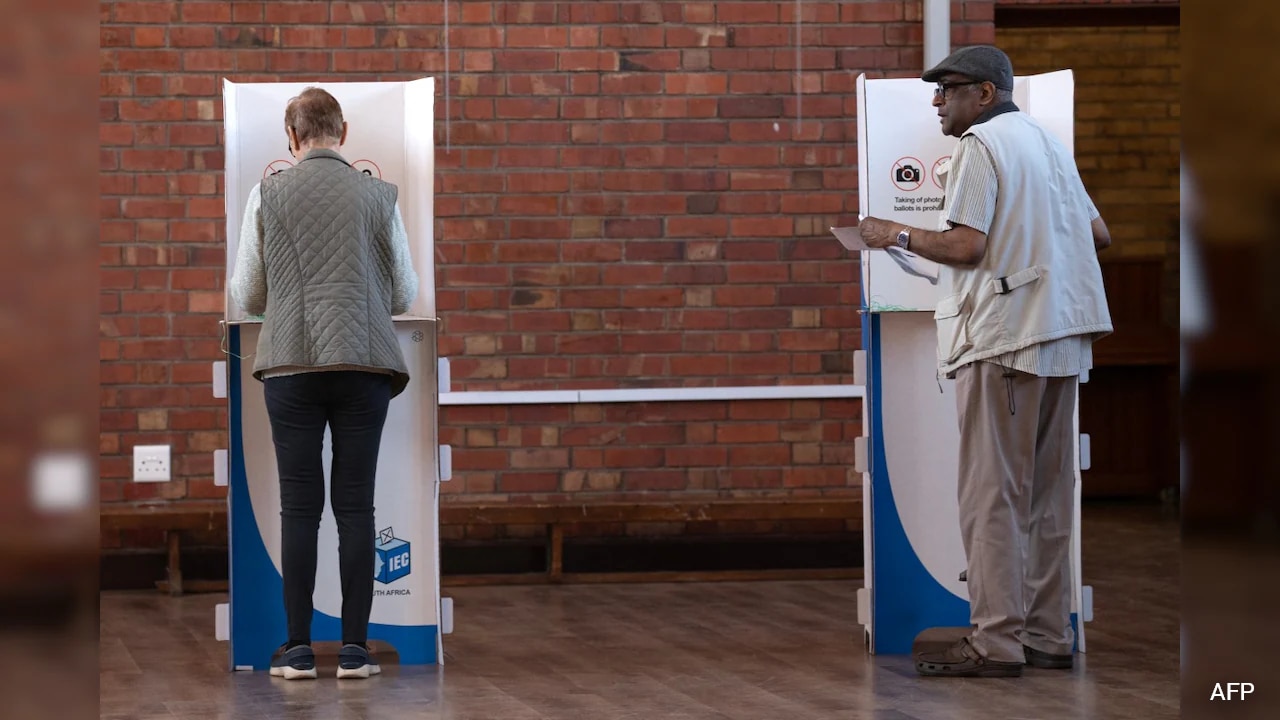
Election day in New York turned into a logistical scramble when vote-scanning machines across Westchester County suddenly started rejecting paper ballots. If you were standing in line hoping for a quick, automated tally, you instead found yourself dropping your vote into a secure orange emergency bag.
This wasn't a minor hiccup. Westchester County anchors roughly 30 percent of New York's fiercely contested 17th Congressional District, where Republican incumbent Mike Lawler faced Democratic challenger Cait Conley. When technology fails in a high-stakes, toss-up race, anxiety spikes instantly.
Here is what actually happened behind the scenes, why the machines choked, and how election officials managed the crisis.
The Programming Oversight Behind the Scanner Failure
When polls opened, voters quickly realized something was wrong. Ballots slid into the optical scanners, and the machines simply refused to take them.
Initial confusion reigned. The Westchester County Board of Elections awkwardly released and then retracted a statement blaming the ballot paper thickness. That theory fell apart fast.
The State Board of Elections later clarified the real culprit: a programming error. Specifically, the machines deployed on election morning missed a crucial software update that had been processed after pre-election testing concluded.
Voting machines are heavily tested weeks before an election, but software adjustments right before deployment can introduce fatal flaws if version controls slip. Cybersecurity experts noted that a comprehensive final spot-check would have caught the mismatch before polls opened, saving thousands of voters from confusion.
Orange Bags and Backup Plans
New York election law accounts for tech failures through established emergency procedures, which kicked into gear immediately.
Instead of turning people away or closing polling sites, workers instructed voters to feed their completed paper ballots into secure orange emergency bags located underneath the scanners.
These bags operate under strict bipartisan oversight. Representatives from both major parties must be present whenever ballots are handled, transferred, or prepared for counting. While it feels jarring to bypass an automated scanner, the paper trail remains intact. Every single legal vote cast inside those orange bags stays secure and gets counted.
Courts even granted permission for election officials to move thousands of these paper ballots to a centralized warehouse under heavy security to speed up processing once processing equipment could be adapted.
The Impact on the NY-17 Congressional Race
Because Westchester County represents a massive chunk of the competitive 17th Congressional District, the equipment failure guaranteed delayed results.
Both Mike Lawler and Cait Conley urged voters to stay in line despite the long delays and technical frustration. Lawler publicly noted that while the machine glitch caused lines and headaches, there was zero evidence of malicious intent or election tampering.
As the night progressed and manual tabulations began, Lawler acknowledged the trajectory of the race as results materialized from the paper backup counts. Accurate vote counting takes time when fallback systems replace automation, proving that physical paper trails remain the ultimate safeguard when digital infrastructure fails.