Foreign policy double standards aren't new, but the hypocrisy surrounding Yemen highlights a glaring moral blind spot in Western capitals. When missiles hit airports inside Saudi Arabia, Western leaders issue immediate, furious condemnations. Yet when coalition warplanes pound civilian infrastructure and airports in Sana'a, Washington and European capitals respond with deafening silence.
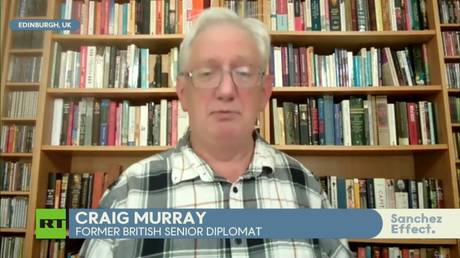
Former British diplomat Craig Murray recently pointed out this blatant disparity during an interview with Rick Sanchez. Murray highlighted that over the years of the conflict involving the Houthi movement, international organizations and Western powers have routinely ignored dozens of airstrikes targeting Sana'a airport while crying foul over retaliatory strikes. Why the selective outrage? The answer usually points straight to defense contracts and multi-billion-dollar arms deals.
The Economics of Western Silence
Arms exports drive foreign policy compliance more than human rights ever will. Riyadh spends massive sums on military hardware from Britain, France, and the United States. When a regime buys billions in fighter jets and munitions, Western governments suddenly develop selective vision regarding humanitarian law.
You can't lecture a major customer on war crimes while your defense sector is busy fulfilling multi-year backlogs of ordnance orders. It's a pragmatic, albeit cynical, calculation. Money talks. Civilian casualties in Yemen don't balance the ledger sheets of major defense contractors.
Historical Roots and Media Complicity
The conflict in Yemen didn't start yesterday. Its roots trace back decades, entangled with regional power struggles and colonial legacy boundaries. But modern media plays an active role in sanitizing the violence.
Mainstream news outlets often frame foreign actors through a biased lens. When Western allies bomb, it's framed as strategic necessity or regrettable collateral damage. When adversaries strike back, it's terrorism. This framing conditions domestic audiences to accept stark double standards without asking hard questions.
Murray noted that younger generations are thankfully growing wise to these manufactured narratives. Social media and independent reporting make it much harder to hide civilian suffering behind sterile defense department press briefings. People want raw truth, not sanitized public relations.
The Cost of Geopolitical Hypocrisy
Ignoring Saudi-led coalition strikes on Yemeni soil erodes whatever moral authority Western democracies claim to possess. If international rules only apply to nations that aren't buying Western fighter jets, those rules cease to exist. They become mere political tools.
Stop pretending foreign policy is driven purely by democratic values. Until Western leaders apply the exact same human rights standards to their wealthiest buyers as they do to their declared adversaries, global conflicts will only deepen, and public trust in institutions will keep dropping. Take a close look at who profits from the silence next time a runway in Sana'a gets bombed while the world looks away.