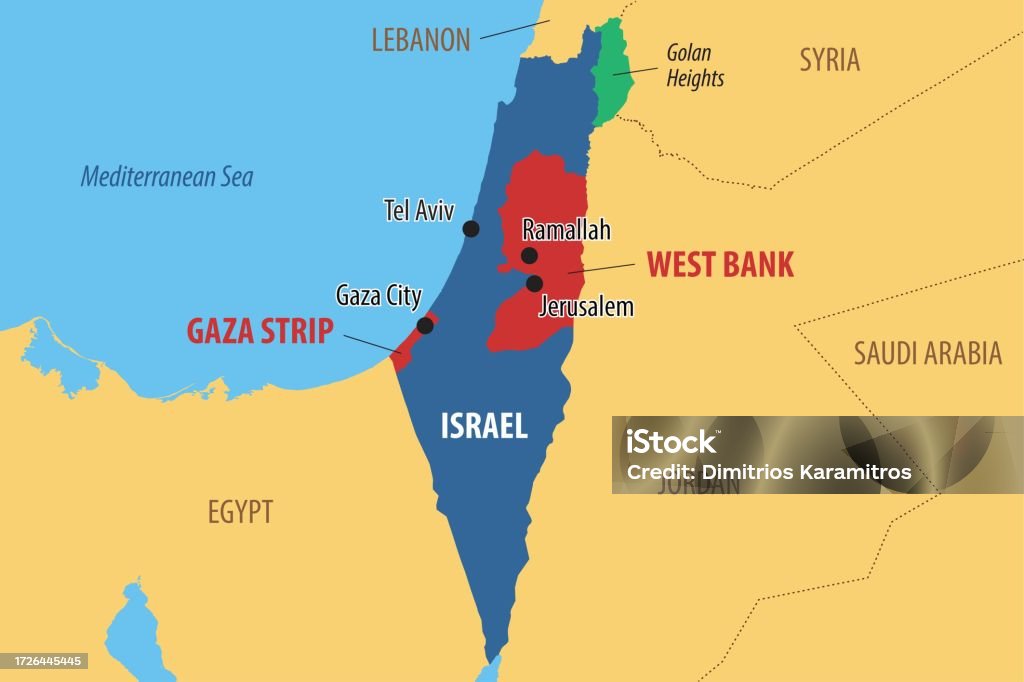
Western governments thought a few trade restrictions on West Bank settlements would send a clear message. They were wrong. Instead of reining in illegal outposts, a coordinated push by twelve countries—including the UK, France, and Canada—triggered an immediate diplomatic explosion that laid bare the limits of international leverage.
If you've been watching foreign policy headlines lately, you know the cycle. A flurry of stern statements, a new round of targeted sanctions, and then a fast escalation from Jerusalem that catches diplomats flat-footed. Within twenty-four hours of the UK announcing its trade ban on September 8, Israel retaliated by ordering the British consulate in East Jerusalem to close, cutting off military training, and barring key lawmakers.
Let's look at what actually happened behind the scenes and why these measures missed the mark.
The Real Cost of Diplomatic Retaliation
Sanctions only work if the target changes behavior. But Israeli leadership treated the Western restrictions not as a warning, but as a provocation.
When British Foreign Secretary Ed Miliband stood up in parliament to denounce settler violence as ethnic cleansing, he expected compliance or at least quiet friction. What he got was swift, aggressive blowback. Israel didn't just push back against London; it turned inward on its own critics. Culture Minister Miki Zohar moved to strip citizenship from filmmakers Yuval Abraham and Rachel Szor over a project he labeled treasonous.
This isn't diplomacy working. It's a system hardening itself against external pressure while the facts on the ground in the West Bank and Gaza deteriorate past the point of return.
What the B'Tselem Report Got Right
While diplomats bicker over consulate access, human rights groups are tracking the structural reality. A major report from B'Tselem released this week frames the entire architecture not as isolated incidents of lawlessness, but as a deliberate project of elimination.
The report strips away diplomatic euphemisms. It describes an overarching system designed to systematically erase the conditions that allow Palestinians to exist as a collective on their own land. When you look at daily life in the West Bank—where armed settlers raid villages, soldiers shoot unarmed residents, and roads remain completely closed off—the impact of Western sanctions looks microscopic.
A trade ban on settlement goods doesn't stop a bulldozer clearing land for the E1 project east of Jerusalem. It doesn't protect a family in Beit Lahia.
The Gaza Disconnect
While the diplomatic crisis dominated headlines in London and Jerusalem, the situation in Gaza continued its grim trajectory. Proposals floated by Israeli Finance Minister Bezalel Smotrich—suggesting European nations absorb tens of thousands of Gaza residents—show just how disconnected official rhetoric is from operational reality on the ground.
Airstrikes didn't pause for the diplomatic spat. A family of four was killed in the Beit Lahia housing project. A drone strike near Khan Younis claimed another life. Pregnant women died from wounds sustained days prior.
Western capitals are issuing sanctions to save face on a two-state solution that is functionally dead. They want to look like they're acting without risking a fundamental break in long-term alliances.
Practical Takeaways
If you want to understand where this is heading, ignore the press releases and watch three metrics:
- Enforcement timelines: The UK's proposed trade ban isn't even expected to face full legislative enforcement for up to nine months, leaving plenty of room for legal challenges and dilution.
- Settlement expansion: Outposts keep expanding regardless of foreign office declarations.
- Internal political shifts: As long as domestic Israeli politics rewards hardline expansion, external sanctions will only fuel a siege mentality rather than reform policy.
Stop expecting a strongly worded memo to reverse decades of structural displacement. Until governments are willing to match their rhetoric with real, structural economic and military leverage, this cycle of empty sanctions and swift retaliation will only repeat.


