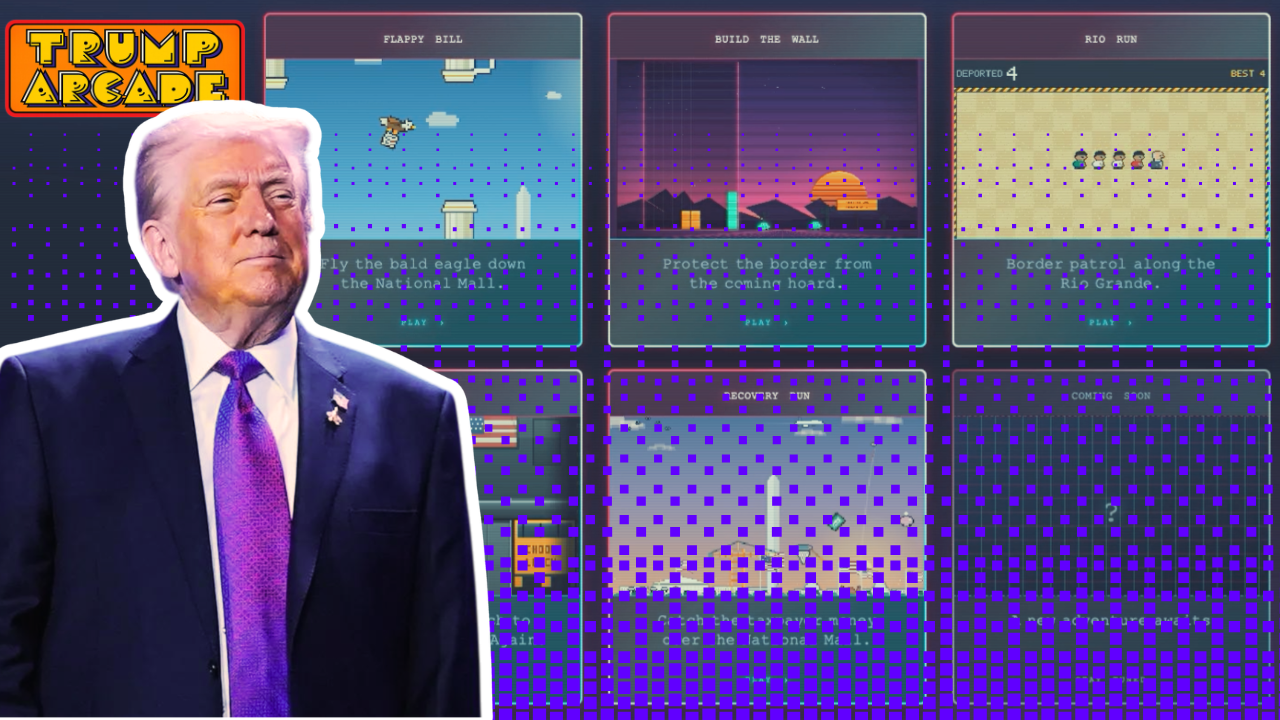
Governments launch websites to communicate policy, publish executive orders, or provide public service announcements. They don't usually drop retro browser games that turn border enforcement into an 8-bit arcade challenge. That changed when the Trump administration rolled out a dedicated gaming portal at Arcade.gov, featuring titles like "Build the Wall," "Rio Run," and "Supply Line."
The rollout immediately triggered intense public fury and swift copyright retaliation. It's a bizarre collision of internet culture, political theater, and intellectual property law that tells you everything about how modern political messaging works. Let's look at what actually happened, why people lost their minds, and how the whole thing blew up in the administration's face.
The Strategy Behind Arcade.gov
Traditional press releases and white papers are boring. Most people don't read congressional briefings or policy memos unless they're forced to. Political communication teams know this, so they constantly look for ways to gamify messaging and capture short attention spans.
The White House launched five retro-style browser games designed to mirror classic arcade titles while promoting specific elements of the MAGA platform.
- Build the Wall: A clear nod to Tetris where falling blocks represent border protection duties.
- Rio Run: A structural clone of Snake where players gather crossers along a border fence.
- Supply Line: A game focused on rejecting food items that fail specific federal standards.
The goal was simple: turn polarizing policy positions into viral, shareable internet content. On social media, supporters shared links with triumphant captions. But the strategy completely miscalculated how external institutions and the broader public would react to government-sponsored knockoffs.
Why the Backlash Was Instant and Severe
Critics didn't just find the games in poor taste; they argued it represented a staggering disconnect from reality. The backlash arrived from multiple directions simultaneously.
Elected officials and community organizers pointed out the heavy economic pressures facing average Americans. Inflation remains high, the ongoing conflict surrounding the Strait of Hormuz has strained global energy supplies, and household budgets are squeezed tight by rising living costs.
As Senator Matt Lesser pointed out online, heating oil prices were near record highs while citizens were being invited to play a video game featuring border czar Tom Homan.
Human rights advocates working directly along the southern border offered even harsher assessments. Grassroots groups like the Frontera Federation called the games sickening, noting that turning real human suffering and border enforcement into casual entertainment crosses a line into blatant cruelty.
The Tetris Company Strikes Back
Political outrage is one thing, but corporate legal threats are another. "Build the Wall" didn't just mimic the concept of a falling-block puzzle; it looked and felt so close to the legendary 1984 puzzle game that it caught the attention of the copyright holders immediately.
The Tetris Company didn't wait long to issue a public rebuke. Taking to official channels on Instagram and X, the company distanced itself completely from the administration.
They posted a sharp statement declaring that they believe in connection and bringing people together rather than division. They added a pointed postscript clarifying they had zero involvement in the project, followed by a blunt warning that they take intellectual property infringement very seriously.
Faced with the threat of legal action and widespread ridicule, the administration quietly scrubbed "Build the Wall" from the Arcade.gov portal just days after its launch.
A Pattern of Cultural Appropriation Fails
This isn't the first time an administration initiative has run into trouble for co-opting popular culture or private intellectual property.
Campaigns and government agencies have repeatedly clashed with artists and entertainment brands over unauthorized use of music, imagery, and software. Last year, the Department of Homeland Security faced intense criticism when a promotional video for immigration enforcement raids used Pokémon intellectual property without permission, prompting swift backlash from rights groups and fans alike.
When political campaigns treat pop culture icons and corporate trademarks as free promotional tools, they usually trigger a predictable cycle: viral attention followed by swift cease-and-desist warnings or public embarrassment.
What This Means for Political Marketing
Political messaging in the digital age relies heavily on shock value and meme culture. If a stunt generates enough headlines, many digital strategists consider it a win—even if the coverage is overwhelmingly negative.
Yet, pulling a game down within days of launch because of copyright threats from a puzzle game developer isn't masterclass political maneuvering. It exposes sloppy execution and a lack of basic legal foresight.
If you're watching how modern administrations try to capture attention online, look past the initial viral spike. Pay attention to who owns the intellectual property, who bears the political cost, and how fast the stunt collapses when real-world institutions push back.