You cannot kick reporters out of the room and expect the rest of the press corps to just nod and smile. That is not how journalism works. That is not how the Constitution works.
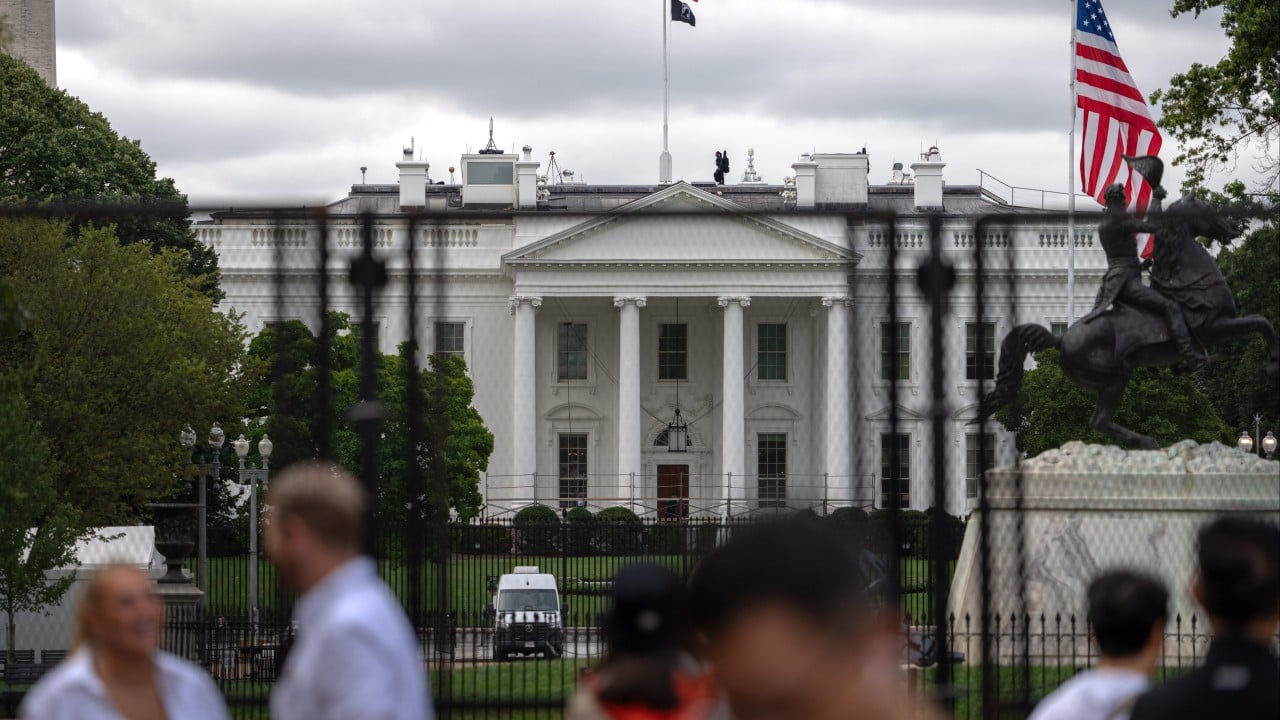
When Donald Trump announced on social media that CNN, MS NOW, and Politico were permanently barred from the White House, he probably expected a quiet retreat. Instead, he triggered a massive institutional showdown. Major television networks responded by flatly refusing their designated pool duties. No cameras. No shared feeds. Complete radio silence on official pooled movements. If you enjoyed this article, you might want to read: this related article.
Let us look at what actually happened. On a Friday afternoon, press credentials were abruptly deactivated. By Saturday morning, reporters like CNN’s Betsy Klein and MS NOW’s Akayla Gardner found themselves locked out at the gates, their badges dead on arrival. By Monday, the targeted outlets filed a joint lawsuit in the U.S. District Court for the District of Columbia. They argued that the administration violated their First Amendment rights and stripped them of due process purely out of retaliation for critical coverage.
President Trump defended the move online, claiming he was targeting corporate dishonesty rather than the free press itself. But legal experts point out a long line of precedent. Courts have repeatedly ruled that once a government official opens a designated press area, they cannot arbitrarily bar specific outlets just because they dislike the tone of the reporting. For another look on this development, refer to the recent update from Wikipedia.
The immediate fallout caught fire within the press corps itself. Broadcasters who normally compete fiercely for scoops realized a dangerous line had been crossed. If the administration can single out three major organizations today, anyone else could be next tomorrow. Solidarity kicked in. The television pool system, which provides the lifeblood of video footage for the entire country, ground to a halt.
This isn't just about hurt feelings in a newsroom. It is about transparency. When the government dictates who gets to watch the seat of power, the public loses its right to independent oversight.
If you follow media policy or constitutional law, keep a close eye on the federal court docket in Washington. The preliminary injunction hearings will set the ground rules for how a modern presidency interacts with independent watchdogs. Expect a protracted legal battle that will test the absolute limits of executive power over press credentials.
Check the court filings if you want the exact legal arguments. Support independent outlets that refuse to back down under pressure. Demand unhindered access to public institutions because once transparency vanishes, accountability goes down with it.
Fox News explains Trump's White House media ban
This video provides an overview of the events surrounding the administration's decision to bar specific news organizations from the White House complex.
http://googleusercontent.com/youtube_content/1