Journalism and the executive branch have always shared a tense, combustible relationship. Presidents complain about unfair reporting. Reporters dig for stories the administration wants buried. But when the White House suddenly revokes press passes for specific news organizations and labels journalists a national security threat, the baseline rules of engagement shatter completely.
The emergency boycott staged by major television networks covering Donald Trump's administration isn't just routine political theater. It's a high-stakes standoff with profound consequences for the public's right to independent information.
Let's look at what actually triggered this crisis, why the broadcast industry took the unprecedented step of halting pool coverage for a presidential trip to the United Nations General Assembly in New York, and what this signals for the future of government transparency in the United States.
How a Friday Decision Sparked an Instant Media Rebellion
The conflict erupted when the administration announced sudden bans targeting CNN, MS NOW, and Politico. Security personnel denied reporters from those outlets entry to the White House grounds and confiscated their credentials without formal hearings or due process.
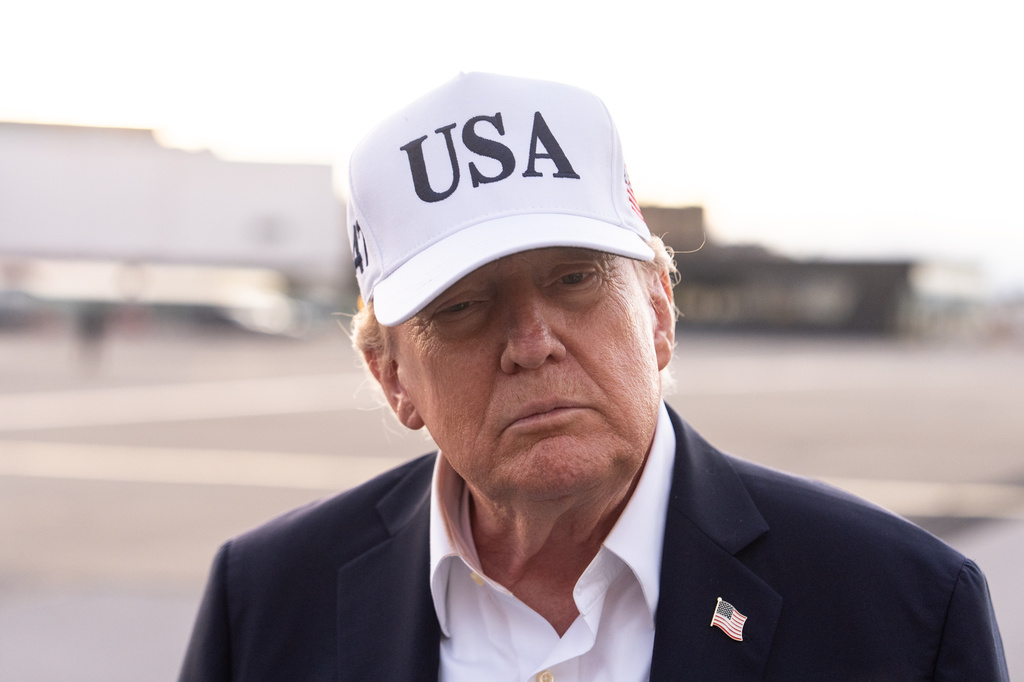
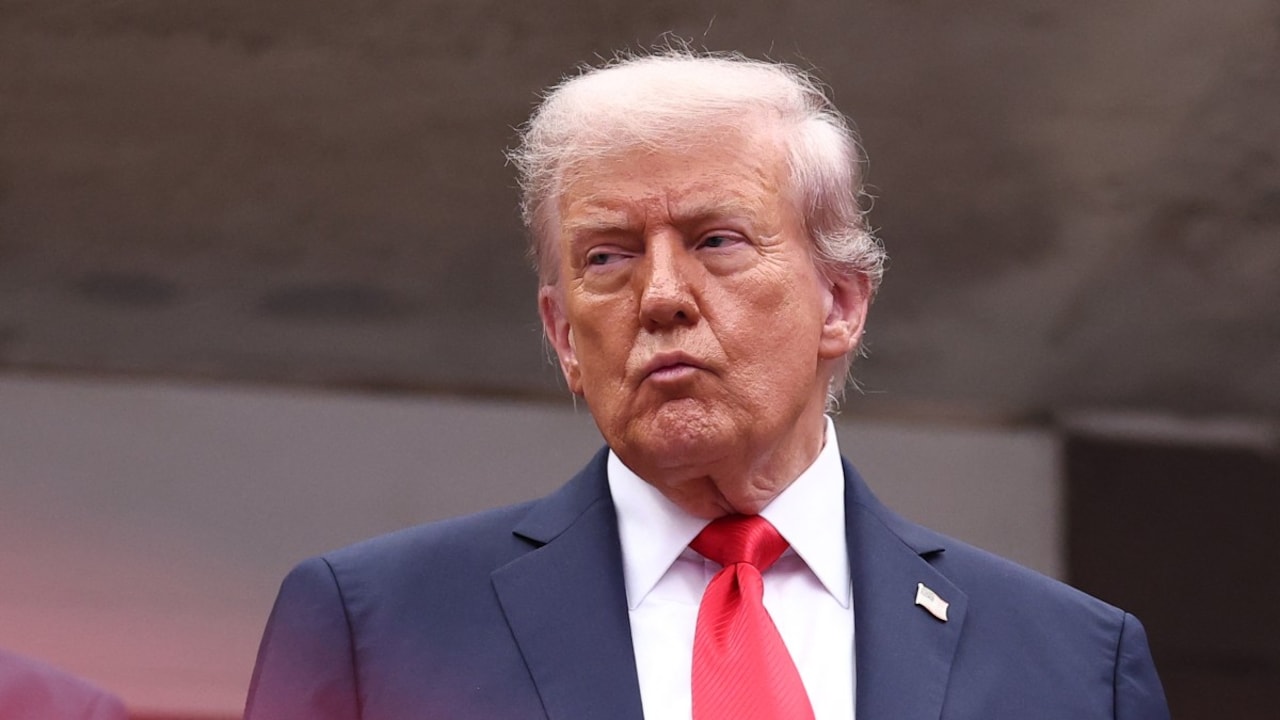
Trump defended the move on Truth Social, describing critical reporting as a "cancer" growing within the country. Vice President JD Vance backed the decision by arguing that the affected organizations disseminated partisan commentary while maintaining that their general freedom of speech remained intact because they could still publish articles online.
For media executives, drawing a hard line was non-negotiable. ABC, CBS, CNN, Fox, and NBC issued a rare joint statement condemning the actions. They argued that letting an administration cherry-pick which entities are allowed inside government workspaces destroys independent reporting.
The immediate result was stark. Broadcasters halted the rotation system where a single network films events on behalf of all television outlets for the day. Consequently, television cameras missed Trump's arrival and diplomatic meetings in New York.
The Legal Battle Over First Amendment Protections
Leaving the White House ban uncontested set a dangerous legal precedent. That's why the targeted organizations didn't just complain publicly. They immediately filed lawsuits seeking emergency injunctions.
The core legal argument rests squarely on the First Amendment. Constitutional scholars point out that while the government can regulate workspace capacity, it cannot deny access arbitrarily or punish newsrooms based on the content of their coverage. Singling out outlets because an administration objects to critical reporting violates fundamental constitutional principles.
Past legal battles over White House press credentials established that journalists possess due process rights when facing credential revocations. When Jim Acosta's press pass was temporarily suspended during Trump's first term, federal courts ruled that the administration had to follow clear constitutional guidelines. This current clash scales that conflict up to an entire network level.
Why This Boycott Differs From Past White House Press Clashes
Every modern presidency has sparred with the press corps. Bill Clinton's team bickered with reporters. George W. Bush's administration faced intense scrutiny over intelligence reports. Barack Obama's press office strictly managed digital access. Donald Trump's approach, however, treats the press not as an adversarial fourth estate, but as a hostile political opponent.
What makes this specific standoff different is the collective unity among competing networks. Television networks fiercely compete for ratings, scoops, and advertising dollars. Seeing historical rivals like Fox News and CNN sign the exact same joint statement proves how severe the threat felt across the entire journalism industry.
Networks realized that if three outlets can be removed today for critical coverage, any newsroom could be next tomorrow.
What Happens When Government Access Becomes Conditional
Restricting physical access to government buildings alters how citizens understand policy decisions. When cameras are barred from presidential trips, the public loses unvarnished visual records of diplomatic engagements, impromptu press gaggles, and direct accountability moments.
Critics of the boycott argue that withholding pool coverage punishes viewers who rely on broadcast television for global news updates. Defenders of the media stance counter that maintaining coverage under restrictive government terms normalizes censorship and compromises journalistic integrity.
If an administration can dictate who asks questions, reporting transforms into state-approved public relations.
Expect these legal challenges to wind through federal courts quickly, establishing critical boundaries for executive authority over press credentials. For now, the standoff forces every major news organization to redefine how it will cover an administration willing to rewrite the ground rules of access.