Journalism in Washington just crossed another volatile line. President Donald Trump didn't just complain about critical coverage this weekend—he locked reporters out entirely.
Effective immediately, journalists from CNN, MS NOW, and Politico found their press badges disabled, physical access revoked, and security gates slammed shut. If you've been watching the growing friction between the executive branch and independent media, this escalation shouldn't surprise you. But the immediate fallout carries serious constitutional weight that affects every citizen trying to figure out what's actually happening in government.
How the White House Press Ban Unfolded
The sequence moved fast. On Friday afternoon, Trump took to Truth Social to announce an immediate ban on the three news organizations, accusing them of pushing what he labeled "fake news" and hostile narratives against his administration.
By Saturday morning, the rhetoric turned into physical reality. Reporters arriving for their shifts at the White House complex got a harsh wake-up call:
- MS NOW White House correspondent Akayla Gardner watched her badge fail to swipe at the security turnstiles before being turned away.
- CNN senior White House reporter Betsy Klein had her press credentials confiscated at the gate.
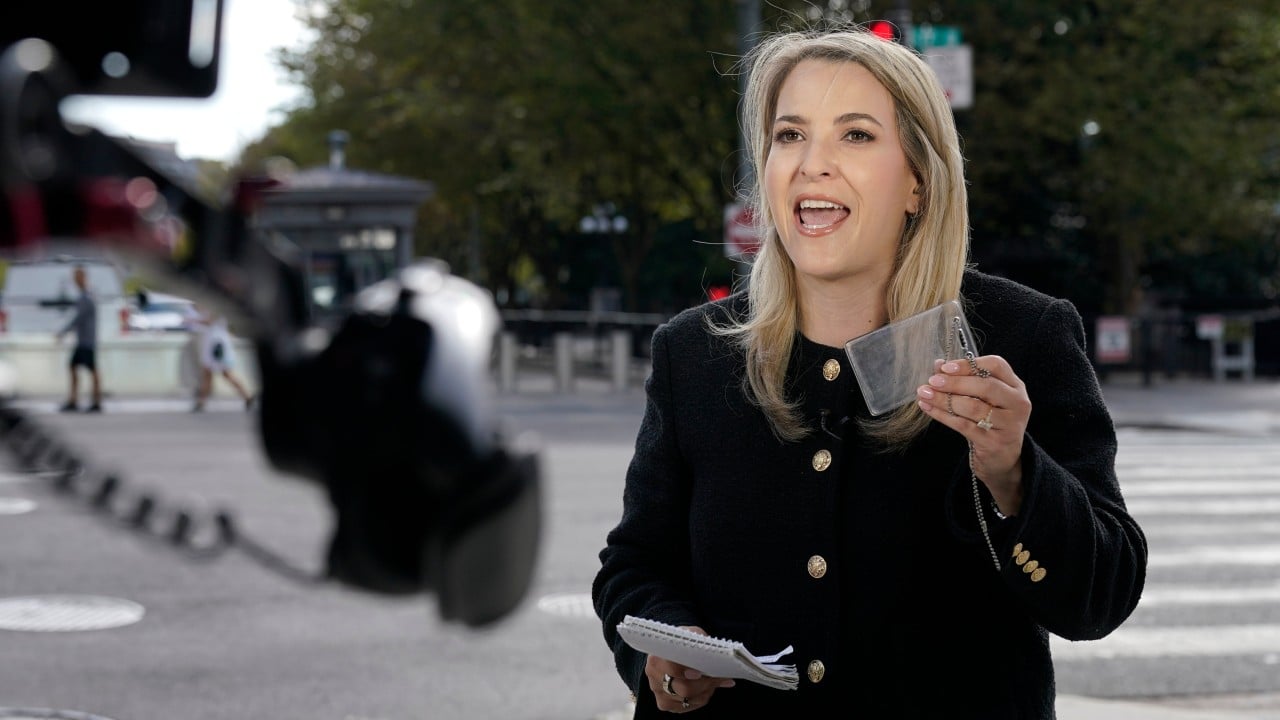
- Politico reporter Cheyenne Haslett faced the exact same treatment, forced to report from the public sidewalk outside the White House perimeter.
When asked about the move in the Oval Office, Trump didn't back down. He told reporters point-blank that he doesn't want them in his office and views the action as a justified defense against what he calls false storytelling.
The First Amendment Clash
You don't need a law degree to understand why this move triggered instant legal and political alarms. The White House Correspondents' Association (WHCA) stepped up immediately, calling the ban a direct violation of constitutional protections. Jacqui Heinrich, the WHCA president and a Fox News correspondent, didn't mince words in her official statement, arguing that the public's right to independent information shouldn't depend on whether a president approves of a network's tone.
Legal analysts point out a core constitutional problem here: content-based discrimination. The First Amendment exists precisely to prevent governments from punishing speech simply because officials dislike the message. When access to public property and federal information becomes a reward for favorable coverage, the entire concept of an independent press starts to fracture.
We saw a preview of this playbook last year when the administration barred the Associated Press from various events over a naming dispute regarding the Gulf of Mexico. That showdown led straight to federal court, resulting in injunctions, appeals, and a prolonged legal war over executive authority versus constitutional rights. This new ban on CNN, MS NOW, and Politico pushes that exact same legal envelope even further, ensuring another round of costly courtroom battles.
Why This Affects Everyone Outside Washington
It is easy to write this off as a high-stakes turf war between politicians and wealthy media conglomerates. After all, public trust in traditional news networks sits at historic lows, and plenty of voters cheer when leaders push back against perceived bias.
Yet the real issue runs much deeper than network ratings or cable news drama. The White House belongs to the public, funded by taxpayer dollars. When specific journalists get banned for doing their jobs, the average citizen loses access to unfiltered, independent verification of government policy. If an administration can blacklist three major outlets today, what stops them from targeting independent substacks, local newspapers, or niche digital publications tomorrow?
Networks have already signaled they won't back down. MS NOW released a statement vowing to use every legal avenue necessary to defend constitutional freedoms, while CNN emphasized that its duty to hold public officials accountable remains unchanged regardless of physical credentials.
This standoff isn't winding down anytime soon. Watch the federal courts closely over the coming weeks, because the legal precedent set here will define how power, press, and the First Amendment interact for years to come.