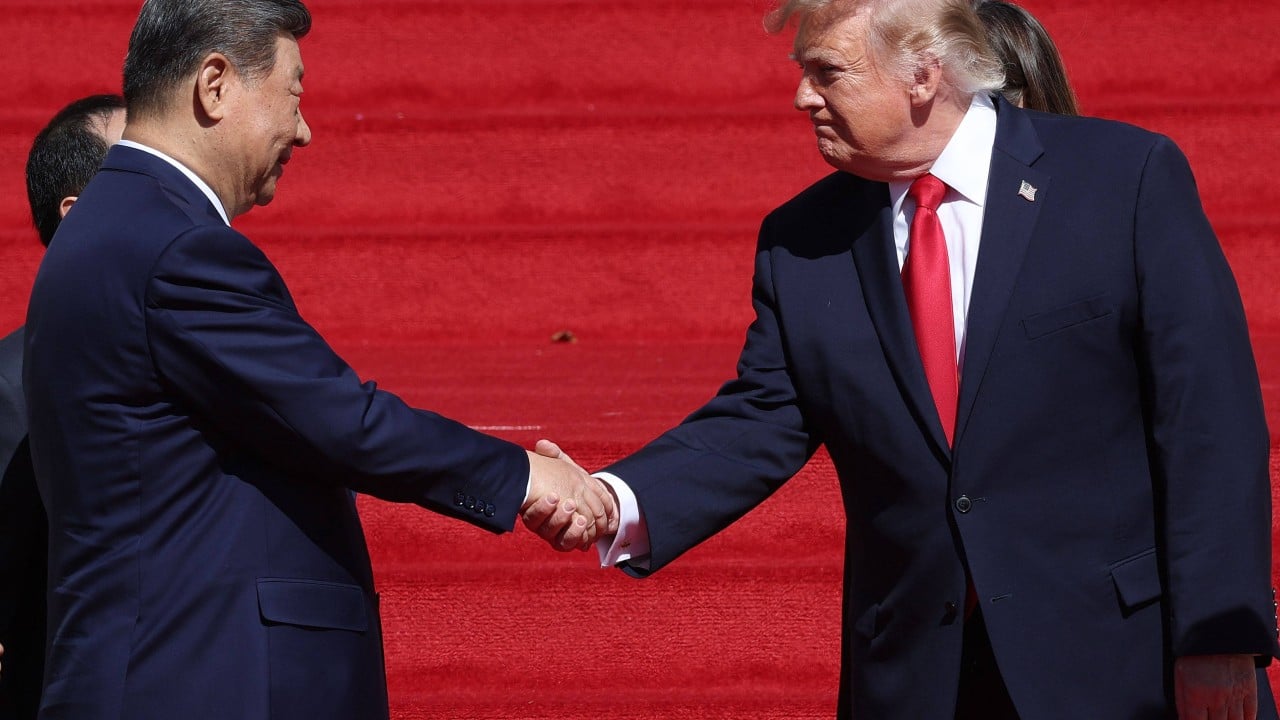
When Donald Trump rolled out the red carpet for Xi Jinping at the White House, political commentators rushed to parse every handshake and ceremony. Beneath the military performances and the South Lawn pomp, the reality of the meeting was much simpler. Both leaders basically bought themselves some time.
If you expected a grand, permanent bargain between the world's two largest economies, you missed the actual point of the summit. Washington and Beijing aren't solving their core structural conflicts anytime soon. Instead, they are managing a high-stakes rivalry by kicking the toughest decisions down the road.
The Two-Month Trade Band-Aid
Let's look at what happened with trade. Treasury Secretary Scott Bessent confirmed that the existing trade truce—originally struck during the Busan meetings—was extended by just two months.
That is not a permanent peace deal. It is a temporary extension to keep tariffs and export controls from spiraling out of control while supply chain pressures loom large. China is currently meeting its targets on buying American soybeans, but it's lagging behind on broader agricultural purchases. Meanwhile, U.S. officials point out that rare-earth mineral deliveries from Beijing remain tight.
Both sides hold powerful economic weapons. China controls critical mineral supply chains that feed global advanced manufacturing. The United States holds the high ground in advanced semiconductor tech and financial markets. Neither side wants a full-scale economic meltdown right now, so they're extending the deadline and calling it progress.
Taiwan Remains the Unresolved Fault Line
Xi Jinping used the Washington talks to press Trump hard on Taiwan. He urged Washington to handle the island's status with absolute prudence and to openly oppose Taiwanese independence.
For Beijing, Taiwan is the ultimate red line. For Washington, it remains a delicate balancing act wrapped in strategic ambiguity. Trump previously described pending arms packages for Taiwan as potential negotiation chips, which left regional allies deeply jittery.
Don't expect this tension to vanish. Beijing wants to isolate Taipei and discourage U.S. arms sales. Indo-Pacific neighbors are watching closely, worried that a cozy Washington-Beijing rapport might sacrifice regional security or reduce their own diplomatic wiggle room.
AI Philosophies Collide
Artificial intelligence brought a sharp contrast between the two leaders. Trump indicated he wants to keep the current framework without heavy new regulatory hurdles, relying instead on the Department of Justice.
Xi took a different stance. He argued that Beijing and Washington carry a joint responsibility to keep AI under strict human control.
This isn't just a philosophical debate. It's a brutal race for technological dominance. Both governments know that whoever wins the AI race dictates the future economic and military balance of power. Agreeing that safety matters is easy; agreeing on who writes the global rules is entirely different.
What Happens Next
The summit lowered immediate escalation risks, but it didn't eliminate structural dangers. Companies and investors are still staring at an unpredictable landscape of tariffs, export controls, and shifting tech bans.
More talks are already on the calendar. Xi is set to host the APEC summit, and another meeting is eyed for Florida later in the year. The diplomatic theater will continue. Watch the concrete delivery figures on rare earths and agricultural goods rather than the official press releases if you want to know where the relationship is actually heading.