You can smell the smoke before you see the numbers. In Winnipeg, the thick, heavy scent of burning northern spruce has become a regular summer fixture. But for the people who actually work in the woods, that smell doesn't just mean a bad air quality day. It means their entire livelihood is going up in smoke.
The Manitoba logging industry is facing an existential crisis. It isn't because of a lack of demand for lumber or shifting market prices. It's because the raw material is burning faster than anyone can cut it down.
For decades, the forestry business operated on a simple, comfortable math equation. You plant trees, you manage the land, and you wait for them to mature. You bet on predictability. You assume that the inventory you see today will be the harvest you cash in on tomorrow.
That bet is officially dead.
Climate change has turned the northern boreal forest into a tinderbox. Severe wildfire seasons are no longer rare anomalies; they are the new baseline. When millions of hectares of commercial timber burn to ash, the economic shockwaves ripple through small towns, provincial ledger books, and your local hardware store.
The Reality of Manitoba Logging Under Fire
To understand how bad things have gotten, you have to look at the sheer scale of the destruction. During recent fire seasons, the devastation reached historic proportions. In Manitoba alone, hundreds of active blazes tore through the province, consuming millions of hectares of land.
This isn't just happening in remote, untouched corners of the map. Fire is eating directly into the managed forests that fuel the provincial economy. More than 1.2 million hectares have burned within logging license areas alone in a single season. That is roughly 10 percent of the province’s regularly harvested wood supply.
It represents the worst damage these commercial logging zones have seen in nearly a century of record-keeping.
The financial stakes are massive. The forest industry in Manitoba generates an average of $700 million in revenue every single year and contributes over $330 million directly to the provincial GDP. Nationwide, the sector supports nearly 200,000 workers. When a fire burns through a logging license, it doesn't just clear trees. It burns through future wages, municipal tax bases, and corporate investments.
Take Canadian Kraft Paper Industries Ltd. in The Pas, Manitoba. They run a massive paper mill that relies on a steady, predictable flow of timber. Wildfires have ripped right through their unharvested stands, and they have even burned wood that had already been cut and piled, waiting for transport. When your raw inventory disappears before it even makes it to the mill, your business model falls apart fast.
Why Our Aging Forests Are Crying Out for a Spark
A lot of people think wildfires are purely an environmental issue or a freak stroke of bad luck. They blame lightning, which does account for about 58 percent of Manitoba's forest fires. But the real problem runs much deeper. The forest itself is structurally vulnerable, partly because of how we have managed—or failed to manage—it for decades.
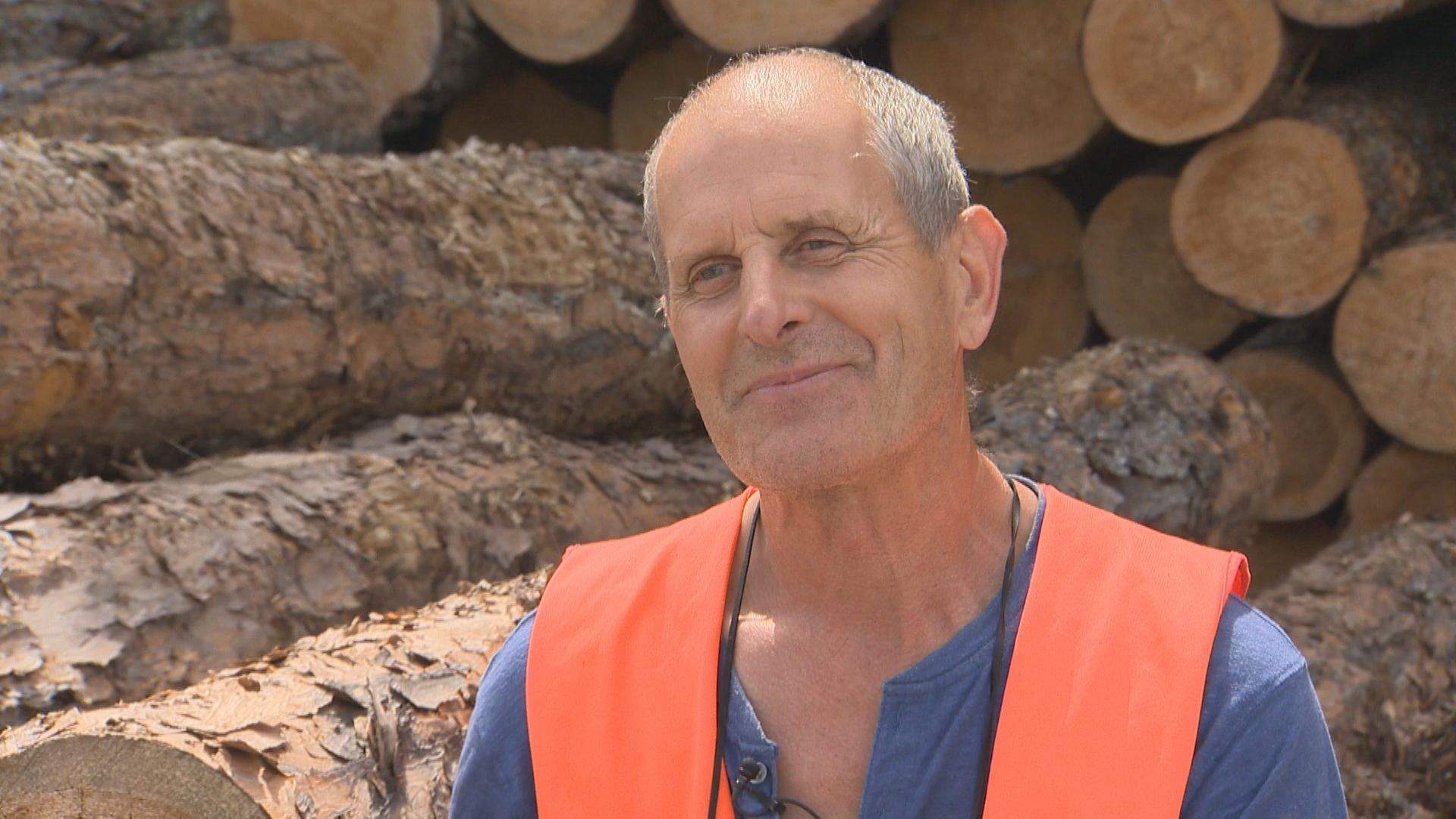
Consider the perspective of multi-generational loggers who have spent their entire lives in the Manitoba bush. Frank Reimer founded Spruce Wood Loggers back in 1981, north of Arborg. He spent years selling rough lumber, pellets, mulch, and firewood. His sons own the operation now, but the future looks incredibly murky.
The reason? The sheer volume of dead and overmature wood standing in the forest.
Reimer points out that nearly a third of the trees he encounters in the bush are either dead or way past their prime. Old trees have their place in a natural ecosystem, sure. But from a fire safety standpoint, they are disaster waiting to happen. They hold significantly less moisture than younger, vibrant trees. They dry out fast. They become highly flammable matchsticks.
If you have a massive patch of overmature, dry timber surrounding a healthy, growing young forest, the entire area is in extreme danger. One lightning strike on a tall, spiky, dead tree can trigger a crown fire that sweeps through miles of green timber in minutes.
We are leaving too much fuel on the forest floor. Decades of aggressive fire suppression have ironically made the problem worse. By putting out every single fire immediately, we prevented the natural cleaning process of the forest. Now, we are left with a massive accumulation of fuel loads. The logging industry wants to harvest these older stands before they burn, but the sheer pace of the fires is outrunning the chainsaws.
The Death of Predictability and the Investment Freeze
If you talk to wildland fire ecologists, they will tell you the exact same thing. Forestry is entirely built on a long-term timeline. You cannot run a sawmill or a pulp plant if you only know what your supply looks like for the next six months.
Bob Gray, a top wildland fire ecologist, notes that the loss of predictability is the real killer for the industry. Companies will not invest major capital into a system that feels like a casino game.
Think about the math from an executive's viewpoint. Why would a company spend $100 million to upgrade a sawmill or modernize a pulp plant in northern Manitoba if the surrounding timber inventory might vanish tomorrow? They won't. They will take their capital somewhere safer.
We are already seeing this play out across Canada. Major players like Canfor have shuttered facilities, throwing hundreds of people out of work because the timber supply simply isn't secure anymore. When a mill closes down permanently, it doesn't just hurt the corporate balance sheet. It tears the heart out of rural and northern communities that depend entirely on those steady industrial jobs.
Right now, the forest industry is stuck in survival mode. Instead of executing careful, 20-year harvest plans, they are forced into "salvage logging". They are rushing into recently burned areas to log charred trees before the wood rots or gets ruined by insects. It is messy, expensive, dangerous work, and the resulting lumber is often lower quality. You cannot build a thriving, sustainable regional economy on salvage operations.
What This Means for Your Pocketbook
This isn't just an issue for loggers in flannel shirts up north. It affects anyone trying to buy a home, renovate a kitchen, or heat their house.
John Morris, the executive director of the Forestry Industry Association of Manitoba, highlights the immediate economic line. Less available timber means fewer finished products. When supply drops drastically while demand stays steady, prices skyrocket.
We saw this during previous extreme fire seasons across Canada. Lumber production dipped up to 20 percent below the historical average during peak fire months. Consequently, lumber futures spiked dramatically, adding thousands of dollars to the construction cost of a standard family home.
If you are waiting for interest rates to drop so you can finally afford a house, the structural destruction of our northern forests is working directly against you. The cost of raw materials will remain volatile as long as the supply remains unsafe from fire.
Shifting From Defense to Offense in the Boreal Forest
We cannot keep fighting fires the same way we did thirty years ago. Running away or waiting for rain isn't a strategy. The Manitoba provincial government and logging companies have to fundamentally change their approach to forest management if they want the industry to survive.
The old thinking was simple: keep logging operations far away from towns and communities to avoid public friction. The new strategy requires doing the exact opposite.
Forestry branches are starting to shift their harvest borders specifically to target high-risk areas close to rural and northern settlements. Even if these stands aren't the most profitable or easy to log, harvesting them serves a dual purpose. It creates a natural firebreak for the community while clearing out the dangerous, overmature fuel loads before a lightning strike hits.
Here are the concrete, immediate steps that need to happen to salvage the industry.
- Accelerate Targeted Harvesting: Prioritize cutting down the one-third of the forest that is currently dead or overmature. Turn that high-risk fuel into useful wood products before it burns.
- Invest in Silviculture and Species Diversity: Stop replanting vast monocultures of highly flammable species like lodgepole pine or single-type conifers. Mix in deciduous trees that naturally resist fire propagation.
- Expand Indigenous-Led Cultural Burning: Partner with local First Nations to reintroduce controlled, low-intensity spring burns. This clears out dead underbrush without threatening mature timber or human infrastructure.
- Mandatory Infrastructure Protection: Wrap utility poles in fire-resistant mesh and clear wide vegetation buffers around remote sawmills and transit lines to prevent costly supply-chain bottlenecks.
The Manitoba logging industry cannot afford to treat wildfires as a seasonal surprise anymore. If the province doesn't aggressively adapt its management policies to match the warming climate, the forest will keep making the choices for us. And the forest always chooses to burn.


