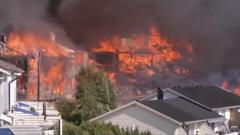
A massive wildfire just tore through the city of Drammen, devastating the community and leaving over 100 homes in ashes.
For a region situated roughly 48 kilometers west of Oslo, this isn't normal. Scandinavia is famous for its icy fjords and damp winter landscapes, not roaring blazes that wipe out entire neighborhoods in hours. Yet right now, water-bombing helicopters are frantically dumping tons of water over Drammen as emergency crews fight an out-of-control fire that has already spread deep into the surrounding forests.
Hundreds of residents had to run for their lives. While emergency services report zero casualties so far, the material and psychological damage is massive. If you think wildfires are only a crisis for the Mediterranean or California, the Drammen disaster proves that climate realities are shifting faster than our infrastructure can adapt.
The Dry Powder Keg Behind the Drammen Disaster
How does a country known for snow end up with more than 100 homes flattened by fire? The answer lies in a brutal mix of prolonged heatwaves and intense dryness.
Local Red Cross volunteer Thomas Evjen noted that recent weather transformed the local flora into literal kindling. The ground was bone-dry. When the spark hit, the flames didn't just crawl; they exploded across the landscape.
Northern European infrastructure simply isn't built for this. Scandinavian homes are historically engineered to lock heat inside, using dense timber designs that withstand freezing winters. When a wildfire hits these structures during an unprecedented dry spell, the buildings act like logs in a fireplace.
Why Traditional Firefighting Fails in the North
When you look at the tactical response in Drammen, the limits of northern firefighting become glaringly obvious. Fleets of helicopters are dropping water buckets continuously, but air support can only do so much when a fire moves through dense forest canopies and residential zones simultaneously.
Ground crews face massive hurdles. The rocky, uneven terrain around Drammen makes it incredibly tough to move heavy fire engines quickly. Firefighters have to drag hoses through thick woods while erratic winds constantly change the direction of the flames. Local police admitted early on that the situation was completely out of hand.
It highlights a major gap in preparedness. Northern nations spend billions on snow removal, winter road safety, and flood defenses. They don't have the massive seasonal fleets of specialized water-scooping aircraft that countries like Spain or Greece maintain. When a mega-fire hits, they have to scramble.
The Real Cost of Shifting Climates
The Drammen blaze isn't a freak accident. It's part of a wider trend turning the global north into a high-risk fire zone. Just across the Atlantic, Canada is currently battling over 850 active wildfires, sending thick smoke south and causing political friction across borders.
For years, experts warned that rising global temperatures would push the wildfire frontier further north. Dry lightning, longer summer seasons, and disappearing groundwater are turning traditional boreal zones into high-risk areas.
When a fire hits a major residential hub like Drammen, the financial impact hits hard. Insurance models for Nordic countries historically relied on low-risk profiles for natural disasters. A single event destroying over 100 homes will likely force a massive rethink of property premiums and building codes across Norway.
What You Need to Do Right Now
If you live in or near heavily wooded areas in northern latitudes, don't assume your climate keeps you safe. Take concrete steps to protect your property before the dry season peaks.
- Create a defensible perimeter: Clear out dead leaves, dry twigs, and overgrown brush within 10 meters of your home.
- Audit your building materials: If you're renovating, opt for fire-resistant roofing and siding options rather than exposed treated wood.
- Keep gutters immaculate: Embers carried by high winds travel for miles and easily ignite dry debris trapped on your roof.
- Pack a go-bag: Ensure you have copies of crucial documents, essential medications, and emergency supplies ready to grab in under five minutes.
The reality on the ground in Norway shows that waiting for emergency services to arrive isn't a strategy. Survival means taking local mitigation seriously before the smoke appears on the horizon.