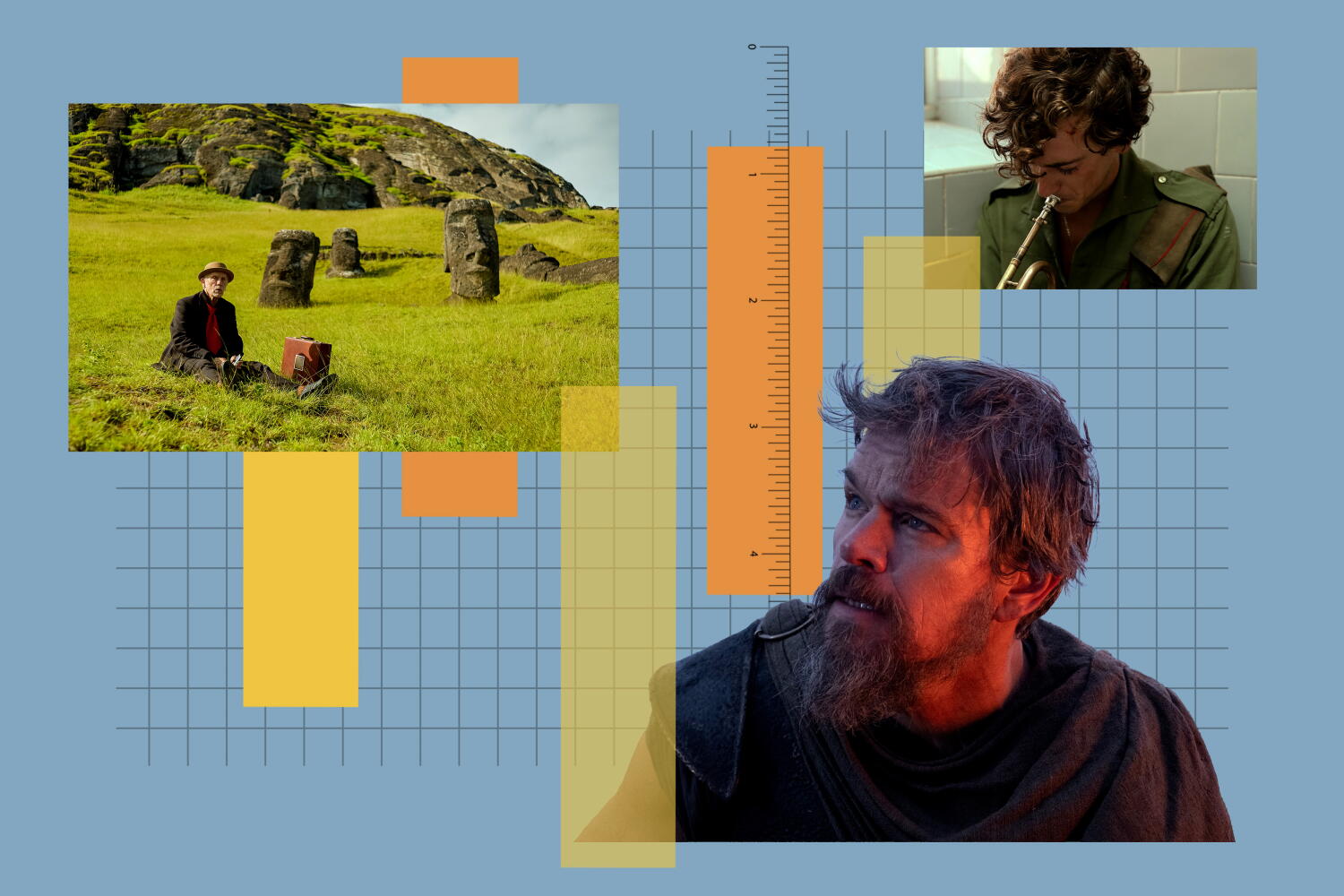
Marvel Studios has a habit of making decisions that leave fans, critics, and even their own stars scratching their heads. The recent, abrupt axing of Wonder Man is the latest exhibit. Despite an initial renewal, critical acclaim, and an Emmy nomination for Yahya Abdul-Mateen II, the plug was pulled.
The actor didn’t hold back when addressing the situation. He pointed directly at the "obvious optics" of the studio cutting ties with a series that checked every box for quality, yet failed to survive the corporate meat grinder. When you combine the death of Wonder Man with the years-long, tumultuous collapse of the Blade project, you’re left with a recurring pattern that the studio can't simply ignore.
It’s More Than Just Numbers
When a show gets canceled, the standard line from any executive is "viewership numbers." It’s the easiest shield to hide behind. Abdul-Mateen confirmed he was told the same thing, yet he was never provided the hard data to back it up.
Think about that for a second. A show gets a green light for a second season, proving someone at the top saw value in it, and then it’s discarded shortly after. This isn't just about ratings. It’s about a lack of transparency and a lack of conviction in the stories being told. If a show has the talent, the reception, and the resources, why kill it?
The real issue here isn't whether Wonder Man was a ratings juggernaut. It’s about how Marvel treats inclusive, non-traditional stories. They often position these projects as high-prestige swings, yet they abandon them the moment they don’t become an immediate, massive cultural phenomenon. It’s a short-sighted strategy that frustrates audiences who are looking for something outside of the standard superhero formula.
The Problem With The Blade Connection
The Blade situation, much like Wonder Man, highlights a deeper insecurity at Disney and Marvel. They want the credit for being "inclusive," but they seem terrified of the commitment required to actually execute those stories properly.
Mahershala Ali’s public frustration with Blade wasn't a fluke. It was a symptom of a studio that struggles to reconcile its desire for broad, mass-market success with the nuance required for specific, character-driven projects. When you have multiple Black-led projects falling apart in the same window, the optics become unavoidable. They aren't just "bad luck." They look like a systemic failure of nerve.
What Real Change Looks Like
Abdul-Mateen isn't just venting. He is making a call to action. He stated that it should be a priority to "responsibly change that narrative with quality stories, with quality resources."
If Marvel wants to stop being attached to these optics, they have to do more than pay lip service to diversity. They need to stop using "business" as a catch-all excuse for canceling projects that require a different kind of investment.
- Transparency matters. If a show is canceled for viewership, show the work. Don't hide behind vague assertions while leaving your talent in the dark.
- Commitment is key. If you commit to a story, see it through. The constant cycle of "renew, then cancel" ruins trust with both the creators and the fans.
- Stop chasing trends. Focus on the story's inherent quality rather than trying to force every single project into a blockbuster, "everything-must-succeed" model.
The irony is that Wonder Man actually had the ingredients for success. It moved away from the typical superhero tropes and tried to give the audience something fresh. By pulling the plug, Marvel is effectively telling its audience that they aren't interested in that kind of growth.
They are retreating to the status quo.
Moving forward, the studio is going to have to do more than just drop a few "Heroes for Hire" projects to prove they aren't biased. They need to show that they can handle different types of stories with the same weight and support they give their top-tier theatrical releases. Until then, these optics aren't going anywhere.
The industry is watching. Fans are tired of the excuses. It's time for Marvel to stop playing games and start making choices they can actually stand behind.