Rockets cost too much to build. For decades, the aerospace industry chased exotic carbon composites, expensive titanium alloys, and precision-milled aluminum-lithium structures. Everyone assumed that getting things into orbit required materials born in high-tech cleanrooms.
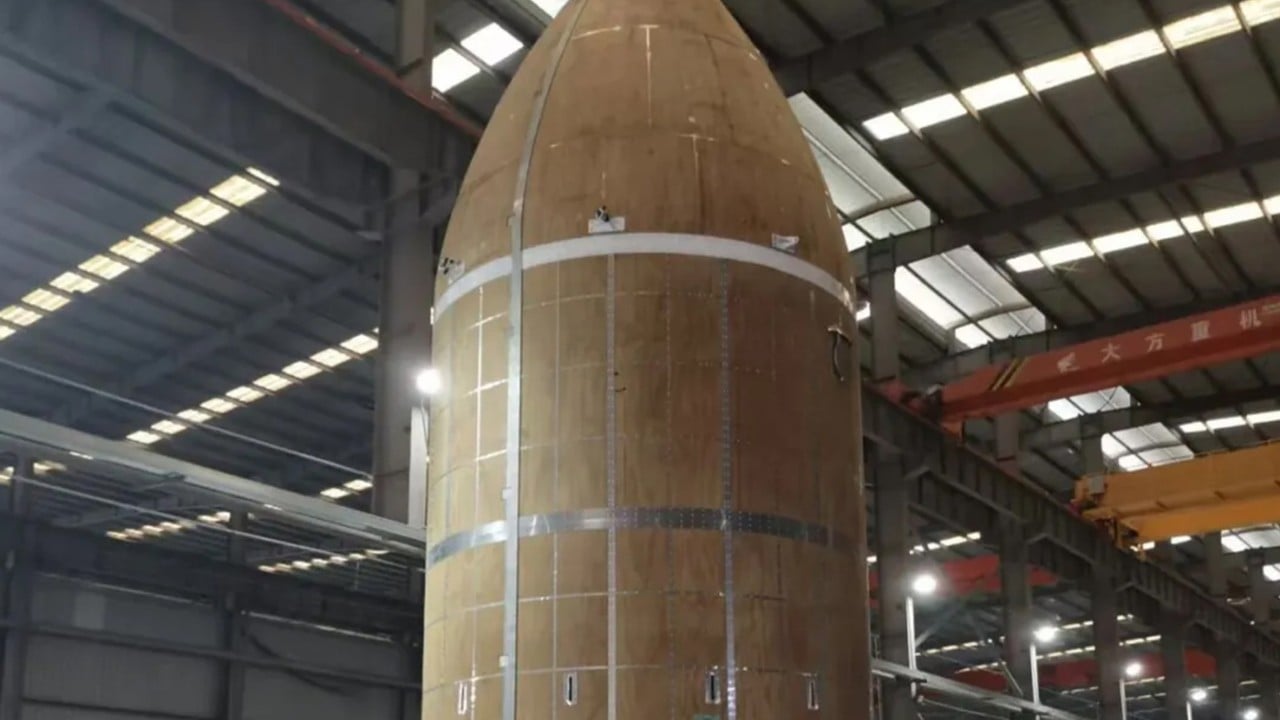
Then a commercial space company in China called Light Year Explorer decided to test something completely different. They built a rocket payload fairing—the nose cone that protects satellites during liftoff—using a lightweight plywood outer skin paired with a metal frame. Meanwhile, you can find related events here: How Scientists Cracked A 443 Year Old Shipwreck Lock Without Breaking It.
It sounds absurd. Wood on a rocket? Isn't that a massive fire hazard that will burn up instantly? Actually, when you look past the initial shock value, using wood in aerospace is part of a broader, pragmatic shift toward low-cost commercial satellite launches.
Let's break down why this idea isn't as crazy as it sounds, and why the commercial space sector is desperate for cheap alternatives to traditional manufacturing. To explore the full picture, check out the detailed article by ZDNet.
The Economics of Orbital Launch Cost
Building a rocket nose cone is brutally expensive. Traditional carbon fiber composites require autoclaves, precise temperature controls, and hours of painstaking manual labor. If you want to increase launch frequencies to support massive low-Earth orbit megaconstellations, your manufacturing bottlenecks will kill you before your rockets even clear the pad.
Light Year Explorer is targeting a very specific problem: time and money. By swapping expensive composite skins for treated plywood over a supportive metal skeleton, they can slash production cycles. Wood has a high strength-to-weight ratio in certain structural configurations, and more importantly, it's cheap and easy to machine.
When you're building hardware designed to be discarded or burned up during atmospheric separation, spending millions of dollars on aerospace-grade carbon fiber doesn't always make financial sense. If a low-cost material can survive the aerodynamic loads of Max Q—the point of maximum dynamic pressure during launch—then you've just unlocked a massive margin advantage.
Wood in Space Isn't Brand New
If you think a wooden nose cone is a bizarre gimmick, remember that aerospace researchers worldwide have been experimenting with organic materials for years. Kyoto University researchers previously developed LignoSat, the world's first wooden satellite, which was successfully deployed into orbit from the International Space Station to test timber durability in harsh space environments.
Space agencies and private firms are rediscovering that wood doesn't shatter like brittle carbon composites, doesn't interfere with radio frequencies in the same way heavy metals do, and leaves zero toxic debris when it burns up on reentry.
Of course, Light Year Explorer’s wooden fairing isn't just regular plywood you buy at a local hardware store. It undergoes specialized treatments to handle thermal stress, moisture resistance, and extreme vibrations. The nose cone still has to undergo rigorous structural validation and wind tunnel testing before it ever sees a live pad launch.
The Real Race is Speed, Not Prestige
The old model of space exploration relied on aerospace monoliths taking a decade to design a single perfect component. Today's commercial space race is all about iteration speed. If a private firm can prototype a nose cone in weeks instead of months, and test it for a fraction of the cost, they can fail fast, learn, and iterate.
The Jiangsu-based firm's experiment points to an unavoidable truth. The companies that win the next decade of commercial spaceflight won't necessarily be the ones with the most expensive materials. They'll be the ones agile enough to rethink what a rocket can be made of.
Expect to see more unconventional engineering choices as the pressure for frequent, low-cost commercial launches intensifies. Wood might just be the beginning.