Words carry weight, especially in geopolitics. When international media outlets choose shorthand over accuracy, diplomacy steps in fast.
The Indian Embassy in the United States didn't mince words recently. They publicly corrected a headline from The New York Times that referred to Pakistan-occupied Kashmir as "Pakistani Kashmir".
"There is no Pakistani Kashmir, only Pakistan-occupied Kashmir," the embassy stated firmly on social media.
The Root of the Controversy
Why does a single headline spark a diplomatic rebuke?
Global publications often use brief geographic terms to save space, but in contested regions, terminology implies legal recognition. By calling a territory "Pakistani Kashmir," the phrasing subtly normalizes an illegal occupation. New Delhi has maintained a consistent stance for decades. The Union Territories of Jammu & Kashmir and Ladakh are sovereign, integral parts of India. Period.
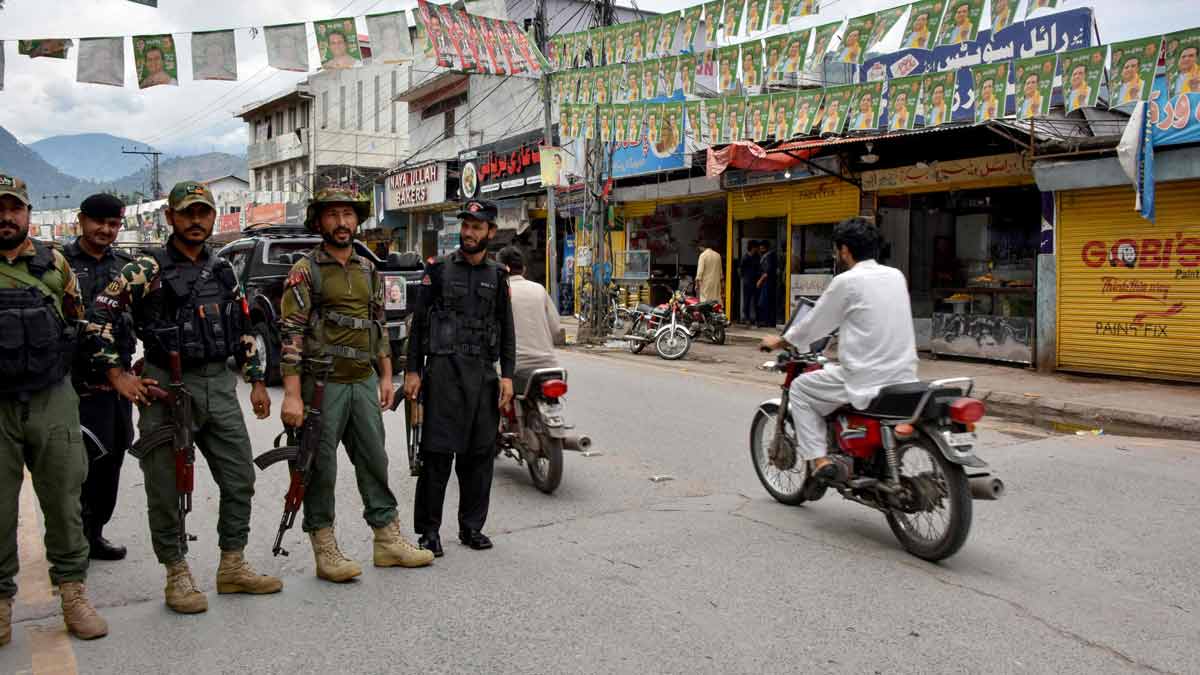
The New York Times piece itself centered on violent clashes in Mirpur. Security forces confronted members of the Joint Awami Action Committee, a civil rights group protesting heavy-handed police actions and local governance issues. At least two people lost their lives to gunshot wounds during the unrest, drawing scrutiny from organizations like the Human Rights Commission of Pakistan.
While the ground reporting covered local governance turmoil and civil unrest, the framing in the headline crossed a red line for Indian diplomats.
Why New Delhi Monitors Foreign Press Closely
India's swift reaction isn't an isolated incident. It reflects a broader, aggressive strategy to police how foreign syndicates depict territorial sovereignty.
When major Western outlets adopt loose phrasing, it creates a dangerous precedent. International readers might misinterpret administrative control as lawful ownership. Governments cannot afford semantic drift on maps or in print.
Look at the core elements at play:
- The disputed label used by the publication.
- The immediate diplomatic pushback citing territorial integrity.
- The underlying unrest involving civilian protests and state security forces in Mirpur.
The Ground Reality in the Region
Beyond the headline war, the situation on the ground remains volatile. Protests led by groups like the Joint Awami Action Committee highlight deep-seated public anger over economic pressures, administrative overreach, and heavy policing. Reports indicate that weeks of friction have disrupted daily life and overshadowed local electoral processes.
Human rights bodies have called for impartial probes into the casualties, but transparency from local authorities is scarce.
Media houses covering these regions walk a tightrope. Reporting local dissent is journalism. Legitimize illegal territorial claims through sloppy nomenclature, however, and you invite a direct response from sovereign states.
Check your terms. Accuracy dictates reality.


