While millions of soccer fans scream at stadium monitors in Mexico City, Guadalajara, and Monterrey, a different kind of sound echoes through the mountains of Guerrero. It is the buzz of commercial drones carrying improvised explosives. At 6 a.m. on a recent Wednesday, as the sun broke over the high ridges of central Mexico, the bombs started falling on Guajes de Ayala.
The contrast is sickening. The Mexican government spent billions to present a polished, secure face to international tourists for the 2026 FIFA World Cup. They deployed fifteen thousand heavily armed security personnel, National Guard troops, and vehicle-mounted machine guns around stadiums. But that security is a localized illusion. To protect the multi-billion-dollar soccer tournament, federal forces completely abandoned the rural interior. Criminal syndicates like La Nueva Familia Michoacana knew exactly how to exploit this vacuum.
They did not wait for the tournament to end. They launched a coordinated drone offensive against a community that had spent weeks begging the state for protection.
The Reality Behind the Glossy Tourism Campaigns
The global press focuses heavily on the athletic spectacle, stadium architecture, and the fan zones across North America. If you read the mainstream updates, you see an optimization of urban spaces designed to convince the world that Mexico has turned a corner on violent crime. President Claudia Sheinbaum wants this tournament to serve as definitive proof that her security policy is working. Statistically, the administration points to a slow decline in daily homicides.
The statistics do not mean anything to twenty-four-year-old Marilu Solorio. She spent her Wednesday morning crouched on the concrete floor of an abandoned medical clinic. Seventy other women, children, and elderly people huddled beside her, flinching every time a remote-controlled explosive detonated outside. While the world watches international stars score goals, these people are trying to survive localized air strikes.
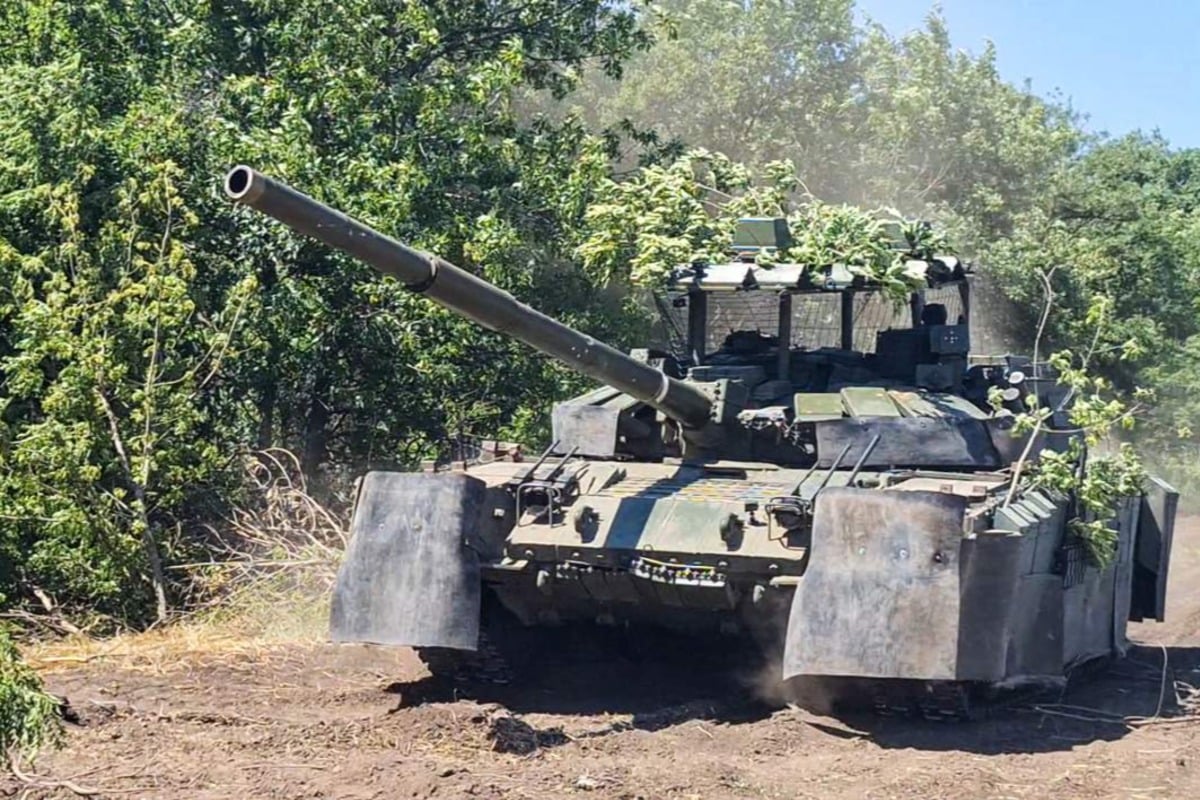
The modern cartel does not rely solely on standard infantry tactics anymore. The war in Guerrero has gone digital. Criminal factions modify consumer quadcopters bought online, rigging them with plastic pipes filled with explosives and shrapnel. They fly them over mountain lookouts, dropping ordnance directly onto civilian homes and local self-defense outposts.
The strategy is brilliant from a tactical standpoint and terrifying from a human one. It allows cartels to clear out entire villages without risking their own foot soldiers in direct ambushes.
How the Government Chose Stadiums Over Citizens
The strategic choice made by federal and state authorities was deliberate. Resources are finite, and the reputational cost of a security failure at a World Cup match is something the current administration cannot afford. When violence flared up earlier this year in Guadalajara, resulting in seventy deaths and cartel blockades, the state didn't dismantle the cartel network. They simply surged troops into the immediate urban perimeter to suppress visible chaos.
This concentration of manpower left places like Guajes de Ayala entirely naked. Security analysts call it the fallout of a containment strategy. You pull the National Guard from the rural valleys, herd them into the tourist corridors, and hope the violence in the mountains stays hidden under the canopy until the final whistle blows in July.
The Ignored Digital Breadcrumbs
The most frustrating part of the Guajes de Ayala offensive is that it wasn't a surprise. The locals saw it coming for a month. They didn't just call emergency lines. They took to social media, uploading direct video evidence of cartel drones hovering over their agricultural fields. They pinned the exact locations of advancing cartel convoys moving through the brush.
The government did worse than ignore them. They denied the crisis existed. After journalists began pressing for answers about the morning bombings, Mexico's Security Cabinet posted a statement online claiming the reports had been completely ruled out by official investigations. They promised state forces were heading to the area to check, but local journalists and international observers who visited the region found absolutely zero state presence on the ground.
This institutional gaslighting is a defense mechanism. To admit that a cartel is launching systematic drone strikes on villages while the country hosts the biggest sporting event on earth would ruin the carefully engineered narrative of a stabilized nation.
The Dark Mechanics of Local Vigilante Defense
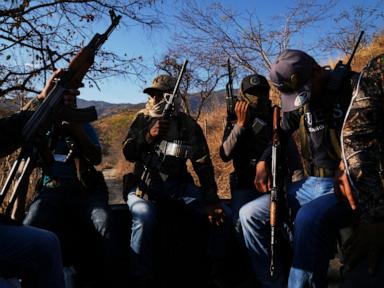
When the state steps out, other monsters step in. The vacuum in Guerrero has forced rural men to form their own self-defense militias, known locally as autodefensas. It sounds noble on paper. Regular farmers picking up rifles to protect their daughters and their cornfields.
The reality is much darker. A group of isolated villagers cannot match the firepower or the financial backing of a massive drug syndicate on their own. To survive, these local vigilante groups often strike deals with the devil. They accept military-grade weapons, tactical radios, and high-tech equipment from rival cartel factions who want to keep La Nueva Familia Michoacana from taking over the geographic corridor.
The U.S. Arms Pipeline
The weapons keeping these villages from collapsing are not old hunting rifles. They are high-caliber assault weapons and grenades smuggled directly south from the United States. The autodefensas use these American guns alongside their own surveillance drones to monitor the mountain ridges.
This creates a brutal paradox. The community is defending itself against a designated foreign terrorist organization using illicit weaponry supplied by competing criminal entities. The entire region has become a hyper-violent sandbox where the state has no authority, the laws don't apply, and civilians are caught between a cartel trying to conquer them and a defensive militia funded by a different group of killers.
A Nation Fractured Far Beyond the Pitch
Guerrero isn't an isolated anomaly. The entire underbelly of the country is fracturing while the stadiums gleam under floodlights.
- In northern Sinaloa, heavy weekend clashes between warring factions left a naval officer and ten cartel gunmen dead.
- In the southern state of Chiapas, which is currently undergoing a brutal territorial war, authorities discovered eight bodies piled on a roadside, covered in cartel warning messages.
- In Michoacán, the assassination of municipal leadership has left towns completely empty, where residents watch the national soccer team play from behind locked doors, too terrified to celebrate in the streets.
This is the real map of Mexico right now. The World Cup has acted like a giant spotlight that illuminates three or four shiny, secure spots while leaving the rest of the geography in total, dangerous darkness.
What Happens When the Fans Go Home
The international community needs to look past the box scores. The current security configuration is completely unsustainable. Once the tournament wraps up and the hundreds of thousands of foreign fans catch their flights home, the massive security apparatus currently surrounding the urban stadiums will dissolve.
If the government continues to dismiss drone warfare in the interior as fake news, these criminal factions will solidify their control over major agricultural and transit zones. They will control the roads, tax the farmers, and use increasingly sophisticated aerial tech to enforce their will.
Immediate Steps for Real Security
The administration cannot keep treating rural warfare as a public relations problem. True stabilization requires direct, uncomfortable action.
- Turn off the public relations machine and acknowledge the verified aerial footage, coordinate data, and civilian testimonies coming out of Guerrero.
- Move specialized anti-drone units and signal-jamming equipment away from VIP stadium zones and deploy them to the rural valleys where improvised ordnance is actually falling on roofs.
- Establish permanent federal outposts in the mountain passes of Guerrero to sever the supply lines of La Nueva Familia Michoacana, instead of launching temporary, reactionary patrols after a massacre hits the international news wire.
- Interdict the flow of commercial drone tech and specialized batteries moving through regional distribution centers in cartel-heavy territories.
Stop looking at the scoreboard. The real crisis is unfolding in the hills, and no amount of stadium security can mask the sound of explosives falling on the citizens of Guajes de Ayala.
Endemic violence in Mexico
This news report provides critical ground-level footage and interviews showing how ongoing cartel violence has dampened local excitement and empty the streets during the tournament.