A Quiet Reappointment Sparks a Global Diplomacy Storm
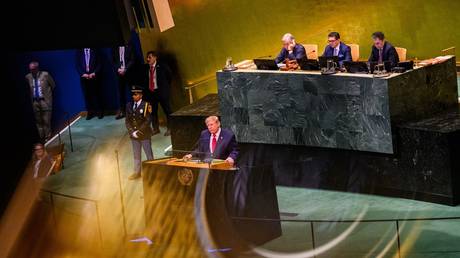
Diplomacy inside the United Nations rarely breaks out into open combat, but Friday's vote on UN Human Rights Chief Volker Türk did exactly that. UN Secretary-General António Guterres tried to quietly extend Türk's term for four more years. What followed was a full-scale diplomatic war involving Washington, Moscow, Beijing, and Jerusalem.
In a 144-10 vote with 13 abstentions, the General Assembly reappointed the Austrian lawyer to a second four-year term. Türk now becomes the very first person to serve two full terms as UN High Commissioner for Human Rights since the role was created back in 1993.
Behind that headline victory lies a mess of geopolitics, backdoor dealmaking, and intense frustration from almost every major world power.
Understanding what just went down at UN headquarters tells us everything we need to know about the fragile state of global diplomacy right now.
The Backroom Move That Enraged Powerful Nations
The drama started with how the nomination was handled. Guterres nominated Türk quietly through private letters sent to regional blocs. There was no open forum, no public debate, and no transparent vetting process.
Human rights watchdog groups immediately raised flags. Former Human Rights Watch executive director Ken Roth slammed the move as a "stealth procedure" designed to dodge public scrutiny.
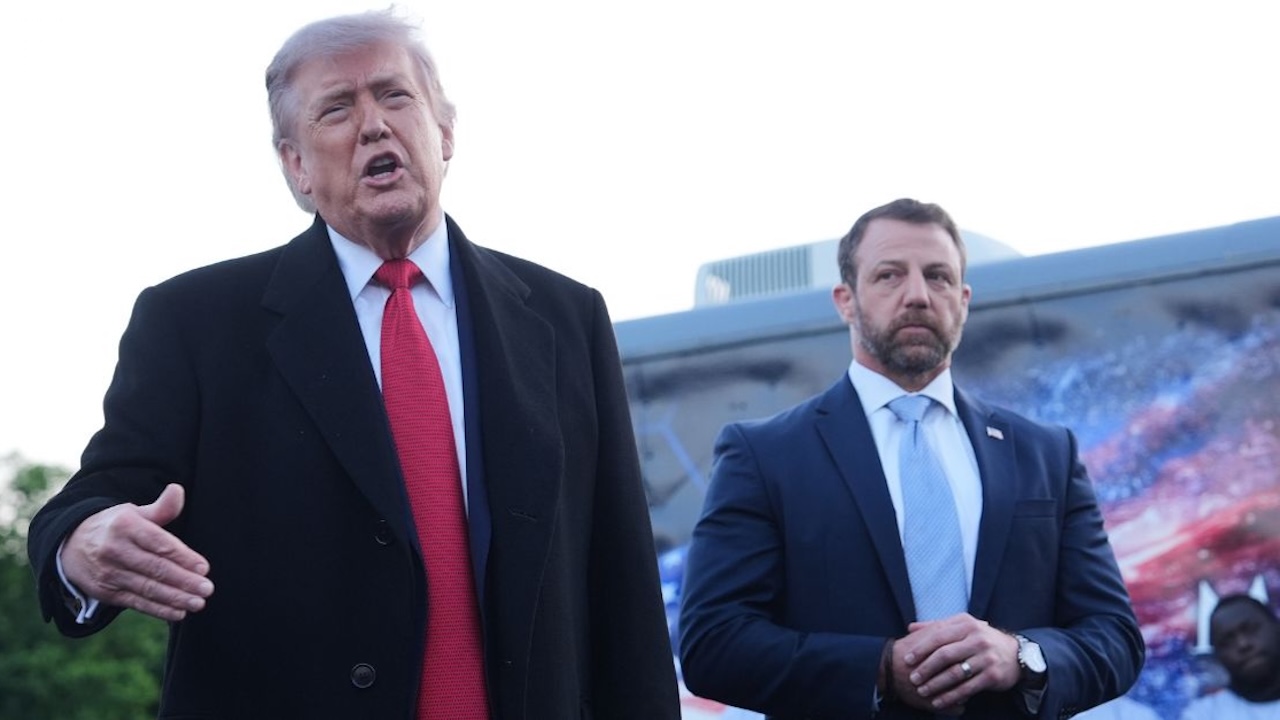
Washington didn't pull any punches either. US representative Jeff Bartos openly called out the process before the assembly voted, labeling the hasty vote evidence that the body is broken. The US delegation pushed hard to delay the vote by a week to allow for proper review, but the General Assembly shot down the delay.
Why the rush? Guterres steps down at the end of December when his second five-year tenure as Secretary-General expires. By securing Türk's second term until 2030, Guterres locked in his chosen rights chief long after he leaves office.
That move infuriated several global powers who wanted the next Secretary-General to pick their own human rights chief.
Russia and Israel Push Back for Entirely Different Reasons
Opposition to Türk came from wildly different corners of the globe, each with its own grudge against the Austrian lawyer.
Russia proposed a counter-plan to limit Türk's extension to just over two months, expiring on December 31. Moscow argued that giving Türk four more years deprived the incoming Secretary-General of choosing their own leadership team. Russian deputy ambassador Dmitry Chumakov accused Türk of pushing Western geopolitical interests while ignoring Western abuses.
Israel voiced fierce opposition for completely different reasons. Israeli officials slammed Türk's constant criticism of military operations in Gaza. The Israeli Foreign Ministry publicly blasted Guterres' push for a second term, calling the reappointment a moral failure and demanding accountability for perceived institutional bias.
Meanwhile, Washington raised serious concerns over procedural fairness and Türk's ideological direction. The combination of US, Russian, and Israeli opposition turned what usually functions as a routine consensus vote into a high-stakes standoff.
Why Human Rights Advocates Are Mad at Volker Turk Too
You might assume rights groups rallied unconditionally behind Türk when major powers attacked him. Honestly, that wasn't the case.
Many prominent activists are deeply disappointed with Türk's record on China. Back in 2022, outgoing High Commissioner Michelle Bachelet dropped a bombshell report stating China's detention of Uyghur Muslims in Xinjiang might constitute crimes against humanity. Since taking office, Türk chose a quiet diplomatic approach with Beijing rather than aggressively following up on that report.
Human rights advocates didn't hold back their anger over that choice.
Key Grievances From Human Rights Groups
- The Uyghur Crackdown: Critics say Türk effectively shelved the Xinjiang investigation to maintain dialogue with Beijing.
- The Gaza Statements: While Türk condemned civilian casualties in Gaza, critics noted he stopped short of aligning with independent UN experts who classified Israel's actions as genocide.
- Diplomatic Caution: Rights workers complain that Türk acts more like a career bureaucrat cautious of stepping on toes than a fearless advocate for victims.
Ken Roth called Türk's handling of the Uyghur situation the single biggest stain on his career, accusing him of putting state persecution on the deep back burner. Türk's office defended his approach, insisting that private engagement alongside targeted public statements yields real diplomatic progress.
The Role of the US Presidency and Growing UN Rift
This intense vote happened against the backdrop of an increasingly hostile relationship between Washington and international institutions.
Under the current US administration, Washington has slashed funding to multiple UN programs and repeatedly criticized international organizations for overreach. American diplomats warned that ignoring objections to Türk's reappointment would carry long-term consequences for UN cooperation and funding.
Because the vote took place in the General Assembly, traditional Security Council veto powers held by the US, Russia, and China didn't apply. Simple majority rules meant that developing nations and European allies could override the objections of major superpowers.
144 nations decided that continuity in global human rights monitoring mattered more than the complaints of Washington, Moscow, or Beijing.
What Lies Ahead for the UN Human Rights Office
Winning a second term gives Türk four more years to navigate an increasingly dangerous world.
He faces a massive mountain of challenges. Global conflicts are multiplying, autocratic regimes are growing bolder, and funding for international aid programs is shrinking fast.
Immediate Challenges Facing Volker Turk
- Rebuilding Trust with Opposing Nations: Türk must find a way to work with the US, Russia, and Israel after all three explicitly opposed his appointment.
- Addressing the China Issue: Activists will demand concrete public action on Xinjiang and Hong Kong rather than closed-door diplomacy.
- Funding Shortfalls: Key donor nations threatened by the voting outcome may look to squeeze the budget of the Office of the High Commissioner for Human Rights.
- Defending International Law: As global powers increasingly ignore international treaties, keeping international law relevant will require relentless public pressure.
Türk's initial mandate was supposed to expire in October. Now, backed by a strong General Assembly majority, he remains in Geneva until 2030.
How to Track Global Human Rights Developments Going Forward
If you want to keep tabs on how international diplomacy and human rights monitoring unfold, don't rely solely on surface headlines.
Follow official proceedings directly through the UN Web TV portal where General Assembly debates are streamed live. Check independent human rights monitoring organizations like Human Rights Watch and Amnesty International to cross-reference official UN statements with ground-level reporting. Compare regional news coverage to see how different countries frame global rights disputes.