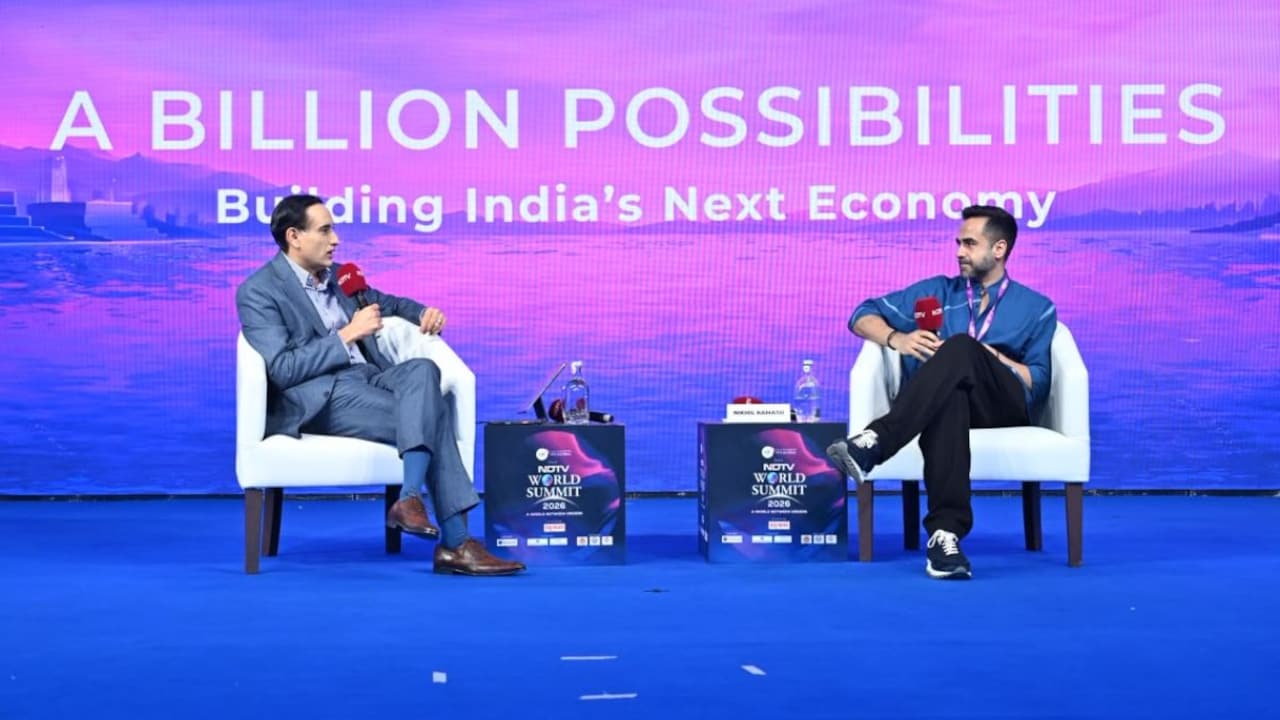
California produces so much solar energy during peak afternoon hours that the grid literally chokes on it. Wholesale prices drop below zero, meaning energy producers occasionally pay neighboring states or grid operators just to take the surplus off their hands. Xavier Becerra wants to flip this waste into a massive win for working households through his proposed "Power Hour" policy.
If you've watched your utility bills climb year after year while renewable energy generation shatters records, you already know the system is broken. Becerra's proposal tackles this mismatch head-on by offering up to two hours of free midday electricity—specifically targeted at low- and working-class families who need bill relief the most.
Fixing the Midday Solar Glut
Most people don't realize how much renewable energy gets thrown away. California's solar boom is phenomenal, but it creates a classic overproduction problem. When the sun beats down hardest between 1 p.m. and 3 p.m., photovoltaic panels pump out more juice than the local infrastructure can easily store or consume.
Instead of exporting that power at a loss or curtailing production entirely, Becerra's plan sends a sharp, practical market signal to consumers. It encourages families to shift heavy energy tasks—running washing machines, charging electric vehicles, or blasting air conditioning—into the early afternoon window.
Critics argue that nothing in life is truly free and that administrative costs or grid delivery fees will catch up to consumers. Yet, similar models deployed internationally, such as Australia's solar-sharing frameworks, prove that incentivizing daytime consumption helps smooth out demand curves. When households soak up cheap solar power in real time, overall grid strain drops.
Who Actually Benefits
The proposal starts by focusing on affordability for households using existing income-guided frameworks like CARE and FERA. Under these guidelines, a family of four earning under $82,500 a year would qualify for the program. Estimates suggest that regular participation could slash annual utility bills by roughly $1,000.
That is real money back in the pockets of people squeezed by a 46% surge in California utility rates over the last decade. Energy costs dictate whether families can afford to stay in the state. Policies that align household routines with green energy abundance make practical sense.
The Real Challenge Ahead
Giving away power sounds great on a campaign stump, but the logistics require serious heavy lifting. California needs to pair free midday power initiatives with aggressive investments in home batteries and smart metering infrastructure. Without a smart meter to track exact usage windows, households can't reliably time their heavy appliance usage.
Furthermore, critics rightly point out that long-term grid stability relies heavily on massive utility-scale battery storage to save that sunshine for the 5 p.m. to 9 p.m. evening peak. Free midday power shouldn't replace storage development; it should serve as a bridge that trains consumers to consume energy when it is cleanest and cheapest.
Stop treating renewable overproduction as a liability. Shift your heavy power consumption to the middle of the day, support smart demand-response pricing, and push your local representatives to back policies that reward efficiency over stagnation.