Global summits rarely shift overnight. But when Chinese President Xi Jinping stood up at the BRICS gathering in New Delhi and called out the ongoing conflicts in the Middle East, he touched a nerve that goes far beyond diplomatic posturing.
Xi made it clear that the war involving Iran and the wider Gulf region brings nothing of value to the global community. It causes massive devastation and fractures fragile economic chains. When major leaders criticize foreign interventions on international stages, they're usually signaling a deeper shift in global power dynamics.
What Xi Actually Meant at the BRICS Summit
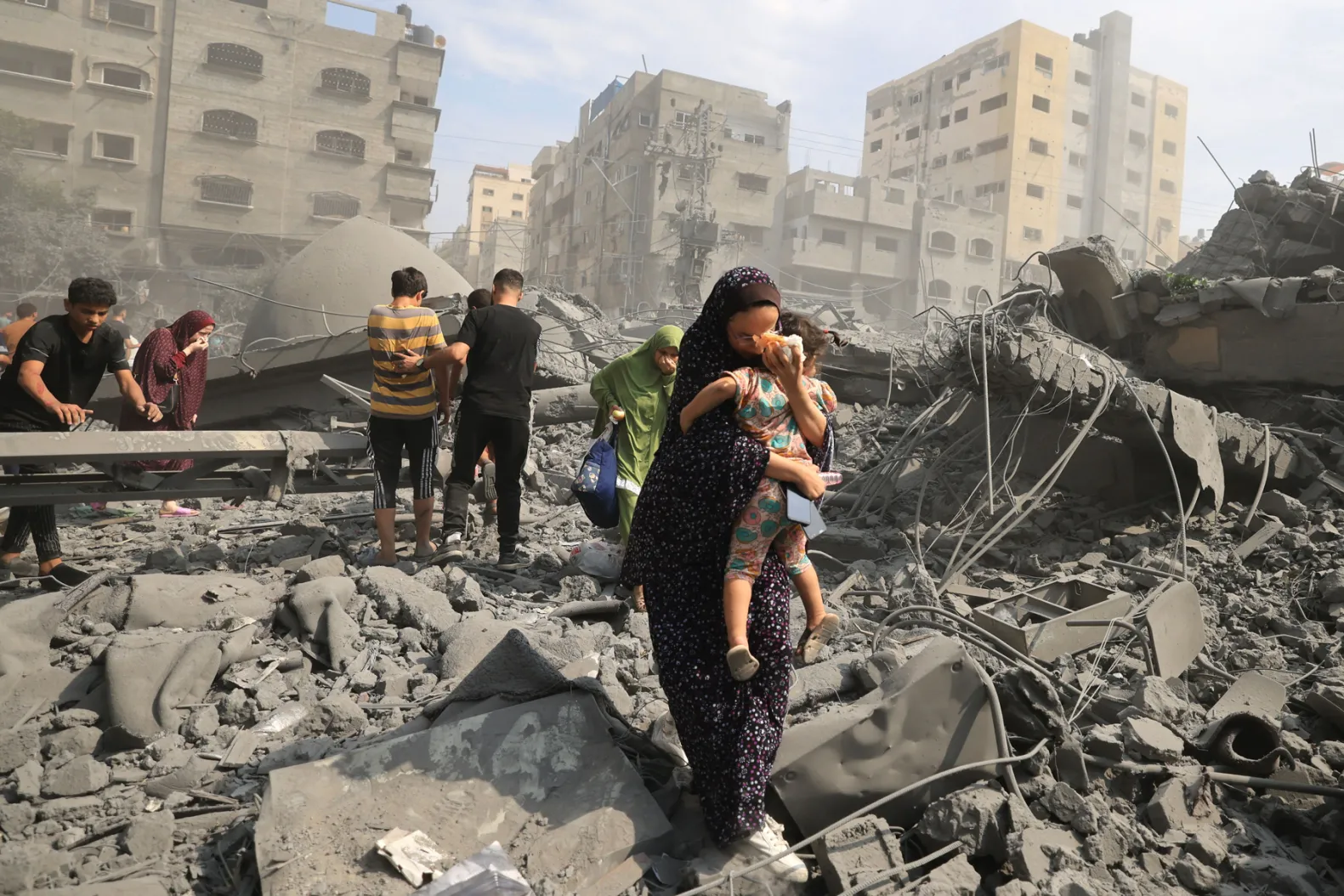
The message delivered at Bharat Mandapam wasn't just standard diplomatic talk. Xi pointed directly at the heavy toll ordinary people face in West Asia. Since the US-Israeli military escalation with Iran began earlier this year, energy routes have choked, trade channels have broken down, and volatility has become the baseline.
By stating that the ongoing Middle East war fails to serve global interests, Beijing is actively positioning itself as an alternative voice of stability. It's a calculated move. BRICS represents over forty percent of the global population and nearly a quarter of economic output. When a bloc of that size starts pushing back against unilateral actions and sovereignty violations, Washington and its allies have to listen.
The Underlying Economic Shocks
Energy markets hate uncertainty. The Persian Gulf sits at the jugular of global oil transit. Every time tensions flare or strikes hit infrastructure, shipping costs spike and inflation ripples across domestic markets from Europe to East Asia.
That's why countries like China, India, and other BRICS members care so deeply. It isn't just about abstract geopolitics. It's about fuel prices, supply chain reliability, and economic survival. Emerging economies absorb the hardest blows when superpowers clash through proxy or direct military action.
Why This Shift Changes Everything
For years, Western capitals set the terms of international intervention. They defined who broke international law and who maintained order. Today, the expansion of BRICS to include major energy producers like Iran and the UAE changes the math completely.
When leaders gather in New Delhi with Iranian President Masoud Pezeshkian sitting in the room, the conversations aren't friendly footnotes. They're direct challenges to Western dominance over global governance. Beijing wants the bloc to act as a counterweight, ensuring that unilateral military campaigns face unified multilateral resistance.
Keep an eye on how these nations coordinate their trade policies and diplomatic messaging over the coming months. The era of unchecked interventionism is meeting institutional pushback, and the financial cost of endless war is driving nations into new alliances.
Plan your next moves by monitoring energy futures and diplomatic realignments closely, because the current friction points are reshaping international trade routes for the long haul.
Xi denounces Middle East war at BRICS summit
This video provides coverage and analysis of Chinese President Xi Jinping's remarks denouncing the Middle East war at the BRICS summit.
http://googleusercontent.com/youtube_content/1