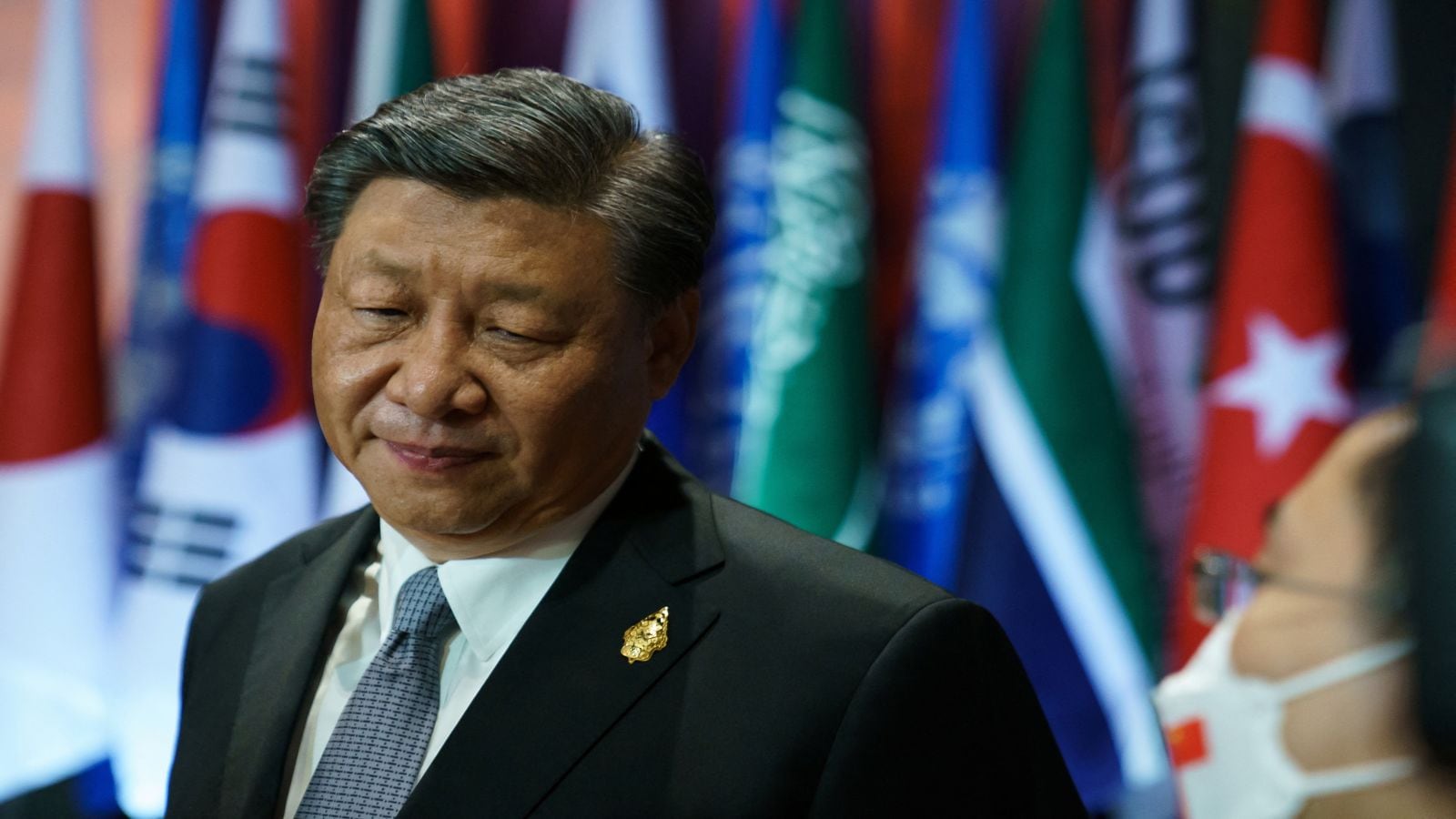
Chinese President Xi Jinping recently invoked the historic concept of a "New Long March" during a gathering in Beijing marking the 90th anniversary of the military retreat that cemented Mao Zedong's authority. When top leadership digs into revolutionary history to describe current conditions, it isn't just standard political rhetoric. It’s an unmistakable signal that Beijing views its domestic and international pressures as severe.
If you've been watching world markets or tracking Beijing's economic data, you already know why. China's Communist Party is grappling with a stubborn economic slowdown, sluggish domestic consumer demand, and a prolonged property sector crisis that has rattled confidence. On top of that, international headwinds—including trade tensions and supply chain realignments—are mounting. By framing these troubles as a historic trial, Xi is attempting to rally the party, the military, and the public around tighter discipline and centralized control.
The Real Pressures Behind the Rhetoric
The phrase "Long March" carries heavy psychological weight in Chinese political culture. It represents survival against insurmountable odds, extreme hardship, and ultimate victory through unyielding unity. Invoking it now tells you that leadership doesn't view current economic hurdles as a quick fix.
The International Monetary Fund (IMF) has repeatedly trimmed growth forecasts for China. Domestic consumption remains sluggish, and the real estate market—long a primary engine of household wealth—hasn't staged the robust rebound many hoped for. Consumers are saving more and spending less because they feel uncertain about job security and future income.
At the same time, external pressure is intensifying. Global heavyweights and advanced manufacturers are actively diversifying their supply chains away from reliance on Chinese rare earths and factories. Companies like TSMC are exploring alternatives to mitigate geopolitical risks. These shifts threaten Beijing's long-term export dominance just as domestic growth engines are sputtering.
What Strict Party Discipline Means for the Future
When faced with structural economic friction, Beijing's historical playbook doesn't involve loosening political control. Instead, it doubles down on internal discipline, ideological alignment, and strict governance.
Upcoming high-level party meetings are expected to focus heavily on internal party self-governance and tightening ranks. For businesses operating in or trading with China, this environment requires navigating a landscape where political compliance and alignment with state goals take absolute priority over purely market-driven decisions. Risk management isn't just about financial ledgers anymore; it's about understanding shifting regulatory mandates and geopolitical alignments.
Preparing for a Prolonged Test of Resilience
History shows that political campaigns built around wartime or revolutionary metaphors usually precede periods of heavy sacrifice and inward focus. Xi's message to the military and society is direct: prepare for a difficult internal and external environment.
You can expect Beijing to lean heavily into technological self-reliance, accelerated domestic industrial upgrading, and tight state control over key economic sectors to weather the storm. The old model of hyper-charged, debt-fueled property growth is gone. What replaces it is a state-guided march toward high-tech manufacturing and national security priorities, regardless of how painful the transition proves for everyday consumers and international partners.