You would think common sense dictates that you keep your belongings out of boiling, highly acidic hot springs. You'd be wrong.
So far in 2026, Yellowstone National Park geology teams and rangers have hauled a staggering 20,100 pieces of trash out of the park's iconic hydrothermal features. Millions of people visit the park every year, but a troubling fraction of those visitors treat world-famous thermal basins like personal landfills or wishing wells.
If you are planning a trip to Yellowstone, or if you simply wonder why people keep ruining fragile natural wonders, let's look at the actual numbers, the bizarre items recovered, and why this cleanup is a massive headache for the National Park Service.
The Bizarre Inventory of What Visitors Drop Into Yellowstone
When the U.S. Geological Survey and park rangers pull debris from Old Faithful and the Midway Geyser Basin, they don't just find fast-food wrappers and water bottles. Strong winds and careless handling send an astonishing variety of personal belongings straight into boiling water.
Consider what rangers have logged so far:
- More than 5,000 rocks and sticks thrown by visitors who apparently want to test the waters.
- Exactly 280 visitor hats, featuring everything from a FIFA 2026 Men's World Cup cap to a Roblox bucket hat originating from St. Kitts and Nevis.
- Over $18 in coins tossed in by people treating scalding hot springs like wishing wells.
- 54 camera lens caps, 47 hair ties, 42 pencils, 36 pairs of sunglasses, 20 hotel key cards, and 17 baby pacifiers.
- Truly random items like AirPods, golf tees, an inhaler, six Invisalign retainers, 15 fake nails, floss picks, and a lump of glittery children's slime.
- Seven Polaroid photographs, several of which actually depicted the exact hydrothermal features they landed in.
It is honestly baffling. People lose AirPods, watch them sink into a thermal vent, and just walk away.
Why Hot Springs Aren't Wishing Wells
Throwing coins or foreign objects into a thermal pool isn't just littering. It actively destroys the feature.
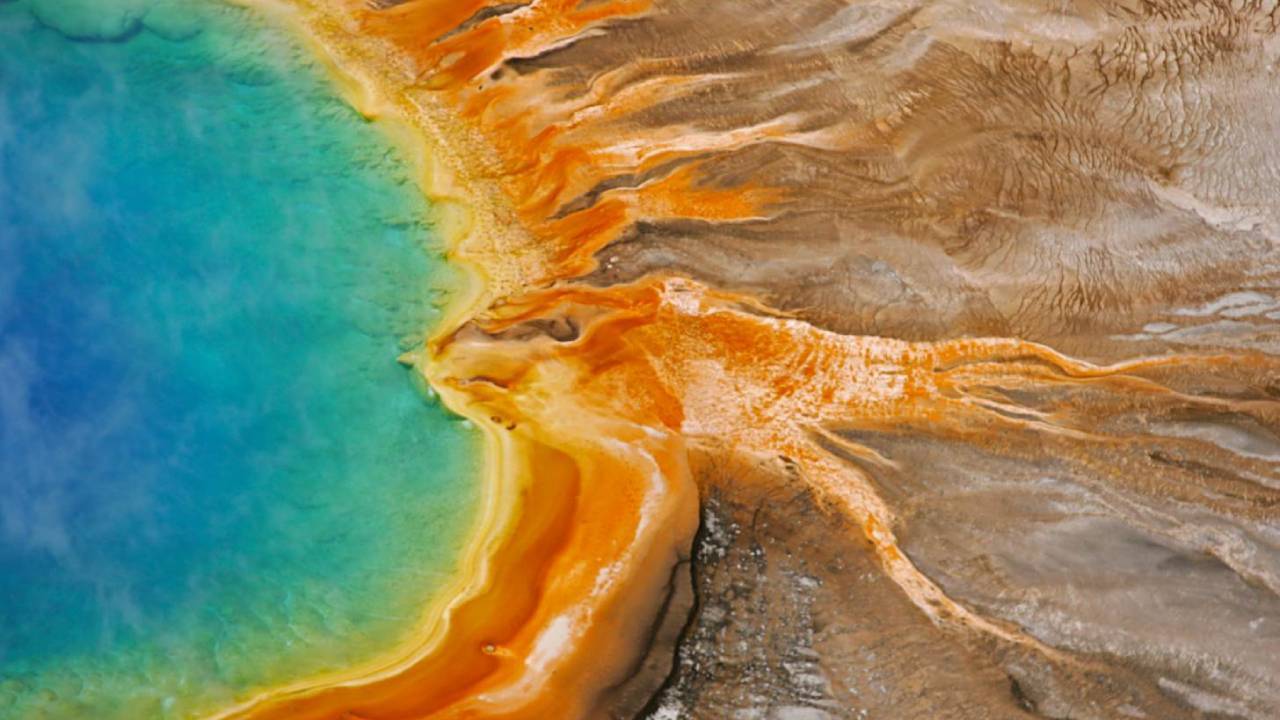
Yellowstone's geothermal systems are delicate, finely tuned plumbing networks driven by heat, pressure, and mineral-rich waters. When you toss a handful of change, a plastic toy, or a bunch of coins into a hot spring, you cause real damage.
According to the USGS, foreign material clogs hydrothermal vents, blocks or diverts underground water pathways, and introduces artificial chemicals and sediment. Coins rust, corrode, and disrupt the fragile bacterial and algal mats that give these pools their vivid, otherworldly colors. Recovery can take months or even years.
Park staff have recovered U.S. currency alongside pesos, yen, euros, and Canadian dollars. No matter what country you come from, dropping money into a geyser ruins it.
How to Protect Yellowstone on Your Next Visit
If you want to enjoy Yellowstone without contributing to the trash crisis, you don't need complicated rules. You just need basic awareness.
First, keep your gear secure. Yellowstone is notoriously windy, especially around open thermal basins where trees don't block gusts. If you're wearing a favorite hat or holding expensive sunglasses, tighten them up or stow them safely in a zipper pocket before walking out on the boardwalks.
Second, stash your trash. Never leave wrappers, receipts, or lightweight paper anywhere near an active thermal area. A sudden gust of wind will lift a candy wrapper right out of your hand and deposit it into a pool where rangers will have to risk their safety to fish it out.
Finally, leave the rocks and sticks alone. Let nature look like nature.
Stop treating national parks like amusement park dumps. Hold onto your hats, pocket your spare change, and leave the thermal features exactly as you found them.