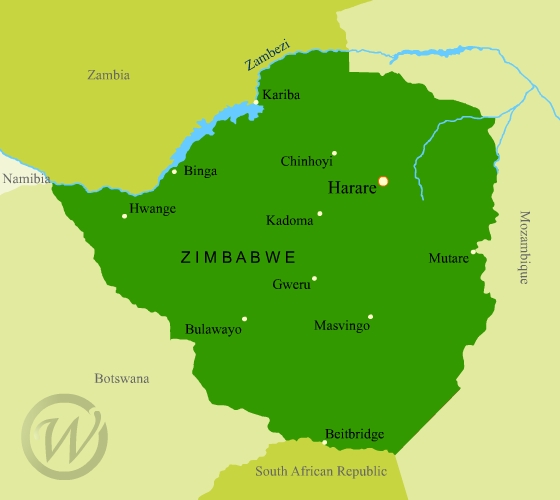
Zimbabwe lower house of parliament just took a massive step toward rewriting the rules of its democracy. On June 18, 2026, lawmakers overwhelmingly passed the Constitution of Zimbabwe Amendment (No. 3) Bill. The headline change sounds simple enough. It extends presidential terms from five to seven years. But the actual fallout means 83-year-old President Emmerson Mnangagwa can now stretch his time in office until 2030, skipping the scheduled 2028 elections entirely.
If you think this is just standard local politics, you're missing the bigger picture. This vote isn't just about one aging leader holding onto power in Harare. It's a textbook demonstration of a structural trend across the African continent where legal systems are rewritten to keep entrenched rulers in office. If you found value in this post, you might want to read: this related article.
Stripping the Public Vote
The bill goes well beyond changing the numbers on a calendar. It fundamentally alters how Zimbabwe chooses its head of state. Instead of a direct popular vote by citizens, the responsibility of electing the president shifts entirely to lawmakers inside parliament.
Think about what that actually looks like on the ground. The ruling Zanu-PF party holds a commanding majority in the legislature. By moving the vote from millions of everyday citizens to a room filled with party loyalists, the government effectively insulates itself from the unpredictability of a regular public election. For another look on this event, refer to the latest coverage from NBC News.
The political opposition and civic groups aren't staying quiet. Tendai Biti, the former Finance Minister and convener of the Constitution Defenders Forum, has been vocal about how these shifts chip away at civic participation. But fighting back carries real risks. When the cabinet first approved the framework for this bill earlier this year, security forces quickly surrounded opposition offices in Milton Park, making it clear that dissent wouldn't be tolerated.
The Justification and the Reality
The government's official defense for the shift relies on a classic political argument. Justice Minister Ziyambi Ziyambi and other officials claim longer terms eliminate what they call "election mode toxicity." They argue that five years isn't enough time to implement major infrastructure projects or maintain economic stability.
But look at the structural changes hidden deep in the clauses of the text:
- Expanding Executive Power: The president gains the authority to handpick ten additional senators based on "professional skills," expanding the total Senate pool to 90.
- Altering Electoral Oversight: The bill strips the Zimbabwe Electoral Commission of its role in drawing voting boundaries, shifting that power to a newly created Delimitation Commission.
- Bypassing Safeguards: Crucially, the bill introduces language explicitly designed to navigate around Section 328 of Zimbabwe's 2013 Constitution, a clause specifically written to prevent sitting leaders from benefiting from term extensions.
Zimbabweans have been enduring severe economic hardships despite local economic growth reports. By extending the terms of members of parliament, councilors, and mayors alongside the presidency, the political class has effectively created a unified front. Everyone in power gets two extra years without facing voters.
An Aging Elite in a Young Continent
Zimbabwe's current political reality reflects a stark contrast visible across Africa. The continent has the youngest median population in the world—around 20 years old, with over 60% of the population under 30. Yet, its political leadership remains dominated by some of the world's oldest rulers.
Data from the Africa Center for Strategic Studies highlights this widening generation gap. Only about 20 of Africa's 54 countries actively maintain and respect presidential term limits. The rest have modified their constitutions, bypassed restrictions, or fallen under military regimes.
While leaders like Paul Biya in Cameroon (93) and Teodoro Obiang Nguema Mbasogo in Equatorial Guinea (84) have maintained power for decades, a younger generation of leaders is emerging through entirely different routes. Senegal's Bassirou Diomaye Faye won his election at age 44, offering a rare democratic alternative. Conversely, countries like Burkina Faso and Mali are governed by young military officers who seized control through coups rather than ballots.
For young Zimbabweans, the formal path to political influence feels increasingly closed off. When the political architecture allows the ruling elite to vote on their own extensions, standard democratic participation loses its meaning.
What Happens Next
The bill now heads to the Senate. Because Zanu-PF maintains a dominant position there as well, passage is widely considered a formality.
If you are tracking international relations or investment in Southern Africa, keep a close eye on regional responses. Watch how the Southern African Development Community reacts over the coming weeks. Historically, regional neighbors prefer quiet diplomacy over public condemnation, but this constitutional shift tests those boundaries. Locally, watch the courts. Legal challenges regarding the legality of bypassing Section 328 will likely dominate the courts, even if the outcomes feel predetermined. The reality on the ground is clear. The ballot box has been bypassed, and the rules of the game have changed.