For decades, a massive mountain of toxic grey sand sat directly on the banks of the Colorado River just outside Moab, Utah. It was a lingering ghost of the Cold War nuclear rush, composed of 17 million tons of uranium mill tailings left behind by a defunct processing mill. The hazard sat so close to the water supply for millions of people that ignoring it was never an option.
In September 2026, the U.S. Department of Energy reached a historic milestone. Crews cleared the final batches of the surface pile, bringing the total removed waste to 17 million tons. It's a massive achievement, but the story of how this radioactive mountain got there, how it was moved by train, and why the job isn't actually finished yet reveals how difficult cleaning up industrial history really is.
The Cold War Legacy on the Riverbank
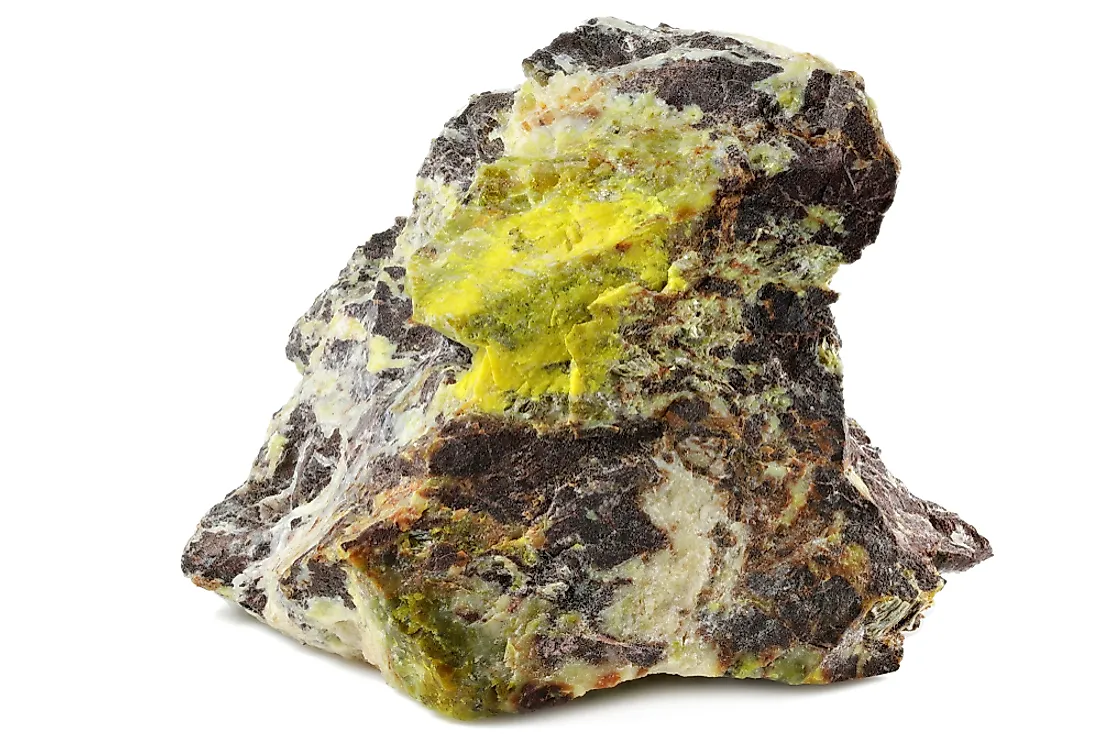
The uranium mill near Moab operated during an era when domestic nuclear production was a national priority. Processing ore into usable uranium yielded huge quantities of sandy, toxic residue known as mill tailings. While it doesn't glow like cartoon props, the sand contains radioactive elements, heavy metals, and chemical contaminants like ammonia, arsenic, and sulfate.
Leaving that immense pile right next to the Colorado River always carried profound risks. Windstorms could kick up radioactive dust toward nearby tourist hubs and national parks. Floods or heavy groundwater movement threatened to wash contaminants straight into a lifeline river that feeds millions across the American Southwest. Over the years, pressure mounted to relocate the entire waste mountain before a disaster struck.
Shifting 17 Million Tons by Train
Moving 17 million tons of radioactive material isn't something you handle with standard dump trucks. Hauling that much weight via local highways would have crippled regional traffic and created constant safety hazards for local communities.
Instead, the Department of Energy launched a massive rail operation in April 2009. Crews loaded the tailings into specialized, secure shipping containers. Freight trains then hauled the material roughly 30 miles north to an engineered disposal cell built near Crescent Junction, Utah.
This disposal cell wasn't just a random hole in the desert. Engineers designed it specifically to lock the waste away from wind, water, and erosion for the long haul. Day after day, year after year, the trains ran between Moab and Crescent Junction, slowly dismantling the giant riverbank pile piece by piece.
Why the Cleanup Is Not Done Yet
Reaching the 17-million-ton mark means the visible mountain on the riverbank is gone, but anyone who thinks the site is instantly ready for a playground is mistaken. Surface removal was only phase one.
Contaminants spent decades soaking into the ground beneath the old pile. Groundwater sits roughly 15 feet below the surface, resting above a deeper layer of salty brine water at 55 feet. Both layers took a hit, absorbing uranium, ammonia, and heavy metals. To make matters worse, seasonal snowmelt and runoff can cause the Colorado River to push backward into the aquifer, temporarily reversing the flow of contaminated groundwater.
Federal officials have spent years running interim containment systems, including eight extraction wells pumping out dirty water and ten injection wells creating a filtered barrier of clean water to protect the river.
What Comes Next for the Moab Site
With the surface pile cleared away, the project shifts into its final, complex stages. Workers must now dig up remaining contaminated soil beneath and next to the old site, dismantle leftover industrial infrastructure, and meet strict federal radiological standards.
At the same time, experts from multiple national laboratories are finalizing a long-term Groundwater Compliance Action Plan, expected to go before the Nuclear Regulatory Commission. Options on the table range from natural flushing over time to active pump-and-treat systems and underground barriers. Once the groundwater strategy is locked in, crews will finish covering the Crescent Junction disposal cell to manage moisture permanently, before regrading and revegetating the original Moab property.
The grey mountain by the river is gone, but managing the invisible legacy underneath will demand attention for years to come.