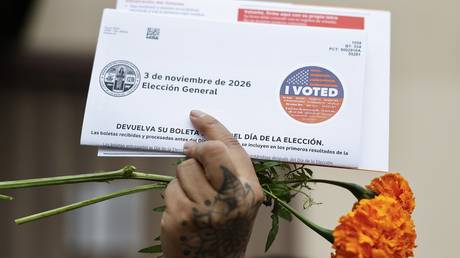
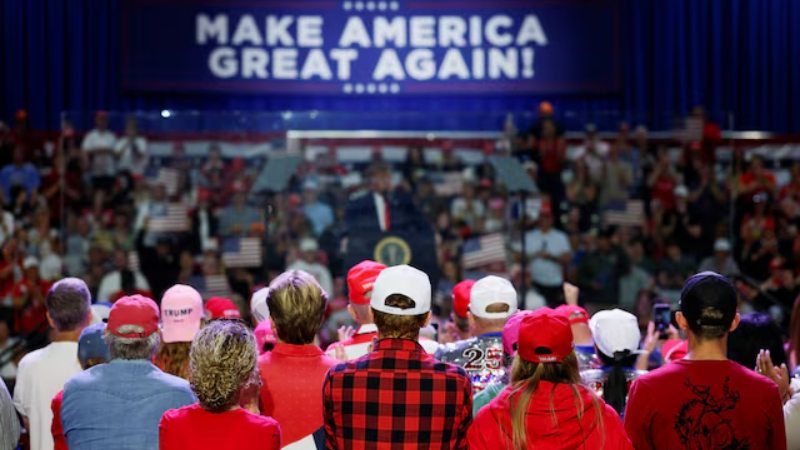
Control of Washington hangs in the balance as millions of Americans cast ballots in the 2026 midterm elections. With all 435 House seats, 35 Senate positions, and 36 governorships up for grabs, this cycle is far more than an ordinary referendum on a sitting administration. It is a high-stakes battle that will determine whether President Donald Trump faces heavy congressional gridlock or retains a clear runway for his legislative agenda during the back half of his term.
Trump famously insisted on the eve of voting that the midterm results would be "better than you think," trying to rally jittery Republicans facing a fierce Democratic pushback. But the reality on the ground tells a complex story of aggressive mobilization, shifting battlegrounds, and voter frustration over the cost of living.
The Arithmetic of Congress
Right now, Republicans hold a narrow majority in the House and a slim advantage in the Senate. History suggests the party in power always takes a beating during midterms, weighed down by historical trends, low non-presidential turnout, and public exhaustion. Democrats need a net gain of just a few seats to flip chambers, turning capitol hill dynamics completely upside down.
Look at the maps, and you will see why pollsters have worked overtime. The Senate battleground runs through tough terrain like Texas, Ohio, Michigan, Iowa, and North Carolina. In places like Ohio and Texas, Democratic candidates have run surprisingly competitive campaigns that forced national Republican groups to pour millions of dollars into states Trump won comfortably just two years prior.
If the opposition party manages to take over either the House or the Senate, the consequences will ripple instantly through federal governance.
What Happens If Congress Flips
A shift in power changes everything about how Washington operates.
If Democrats capture the House, subpoena power shifts overnight. Committees will launch aggressive oversight and investigations into executive branch actions, cabinet decisions, and federal spending. Judicial confirmations and cabinet nominations could hit a brick wall if the Senate changes hands, forcing the White House into defensive negotiations.
On the other hand, if Republicans manage to defy historical trends and hold their majorities, Trump claims a fresh mandate. Legislative roadblocks vanish, and federal agencies face minimal congressional interference.
Governor Races and Statehouses
Do not ignore the state-level matchups. Voters in 36 states are choosing governors, and these races carry massive weight for local policy, election administration, and abortion access.
Contests in states like Michigan, Georgia, and Texas are testing ground game efficiency. Governors elected this cycle will oversee electoral maps and voting procedures heading into the 2028 presidential race. That makes statehouses the hidden engine of modern American politics.
Early voting numbers blew past previous non-presidential benchmarks, with nearly 59 million ballots cast before Election Day. High turnout breaks conventional predictive models. When millions of voters rush to the polls early, tracking who actually shows up becomes a guessing game for campaign strategists on both sides.
Track the results district by district as returns roll in tonight. The margins in suburban battlegrounds will tell you everything you need to know about where the country heads next.