The votes are still rolling in, but the political ground has already shifted. As counting continues across the country for the 2026 US midterms, Democrats have carved out a striking early advantage, putting real pressure on the Republican legislative agenda. If you expected a quiet election cycle, the numbers coming out of key congressional and gubernatorial races prove otherwise.
Networks like CNN and the Associated Press have pointed to significant Democratic momentum, with early pickups and defensive holds signaling a much tougher map for the GOP than anticipated. Let's break down what is actually happening on the ground, why these early tallies matter, and what they tell us about the current mood of the American electorate.
The Early Shifts Driving the 2026 Midterms
Elections are won and lost in the margins, and this cycle's margins are telling a story of intense voter mobilization. In races that analysts tagged as pure toss-ups, Democratic candidates have managed to pull ahead by focusing heavily on local issues while capitalizing on national frustrations.
Take the fight for congressional control. Major projections indicate that Democrats are making a strong play for the House of Representatives, picking up critical seats where incumbent margins were razor-thin. In Pennsylvania's 7th Congressional District, Democrat Bob Brooks pulled off a notable win against Republican incumbent Ryan Mackenzie. Meanwhile, Senate races have delivered major surprises, including notable Democratic pickups in states that typically lean conservative or demand fierce bipartisan battles.
Voters aren't just checking boxes along party lines out of habit. They're reacting directly to economic pressures, healthcare costs, and the general direction of federal policy under the current administration.
Where the GOP Is Standing Ground
It is far from a complete blowout, and Republican strongholds are putting up heavy resistance. In states like Louisiana, key legislative and senate figures secured solid victories, proving that conservative turnout remains high in specific regions.
Gubernatorial races also offer a mixed bag. While Democrats successfully defended or flipped several state executive offices, Republican candidates fought back fiercely in rural and suburban districts. The split screen between urban centers reporting rapid mail-in tallies and rural counties favoring election-day physical ballots means that leads established early on will face rigorous testing as provisional and late-arriving votes are cleared.
This brings up a persistent friction point in modern elections: the counting delay.
Why Vote Counting Takes Time
Every election cycle features the same wave of impatience. People stare at live blogs and cable news tickers demanding to know who won within hours of the polls closing. Reality is much messier.
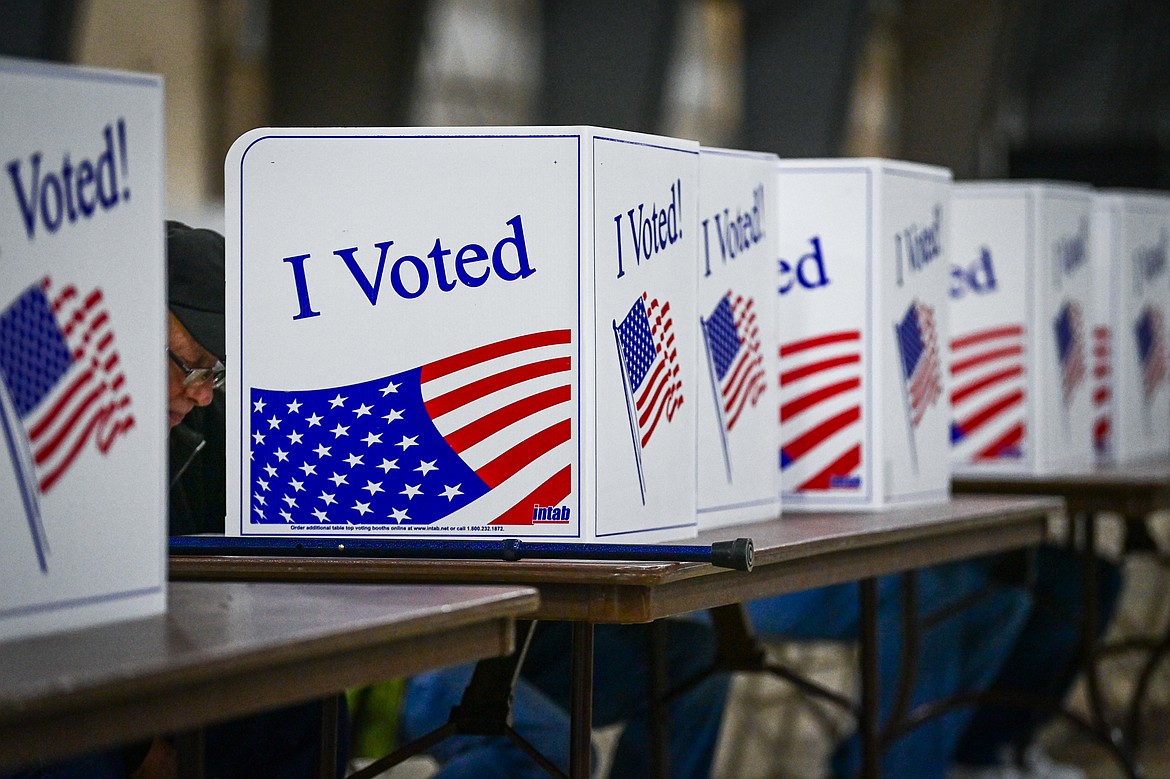
States handle mail-in ballots, provisional ballots, and signature verification under entirely different statutory timelines. For instance, mail-in ballots postmarked by Election Day often have a legal grace period to arrive and be processed. Close races in states with complex multi-round counting rules or mandatory recount thresholds mean that declaring a definitive winner in every single district can take days, or even weeks.
Rushing election officials leads to errors, and accuracy beats speed every single time. When you see headlines flashing narrow leads, remember that those numbers represent a moving snapshot, not the final finish line.
Looking Ahead at Divided Governance
The trajectory of these midterms points straight toward a deeply split or flipped legislative landscape in Washington. When Congress is divided, major sweeping legislation grinds to a halt, shifting the focus entirely toward oversight, investigations, and executive actions.
If the current Democratic advantage holds through the final certified tallies, the White House will face an entirely different oversight environment for the remainder of the presidential term. Legislative gridlock becomes the default setting, forcing both parties to look for narrow areas of bipartisan agreement or prepare for trench warfare ahead of the next presidential cycle.
Keep an eye on the certified local results over the coming days rather than getting swept up in every hourly fluctuation. The true political reality of 2026 will crystallize only when every last legal vote is counted.