Markets hate uncertainty, but they react even faster to unexpected political shifts. When the early returns from the 2026 US midterm elections flashed across trading terminals, the political landscape in Washington flipped. Democrats taking control of both chambers of Congress instantly shattered the expected legislative trajectory.
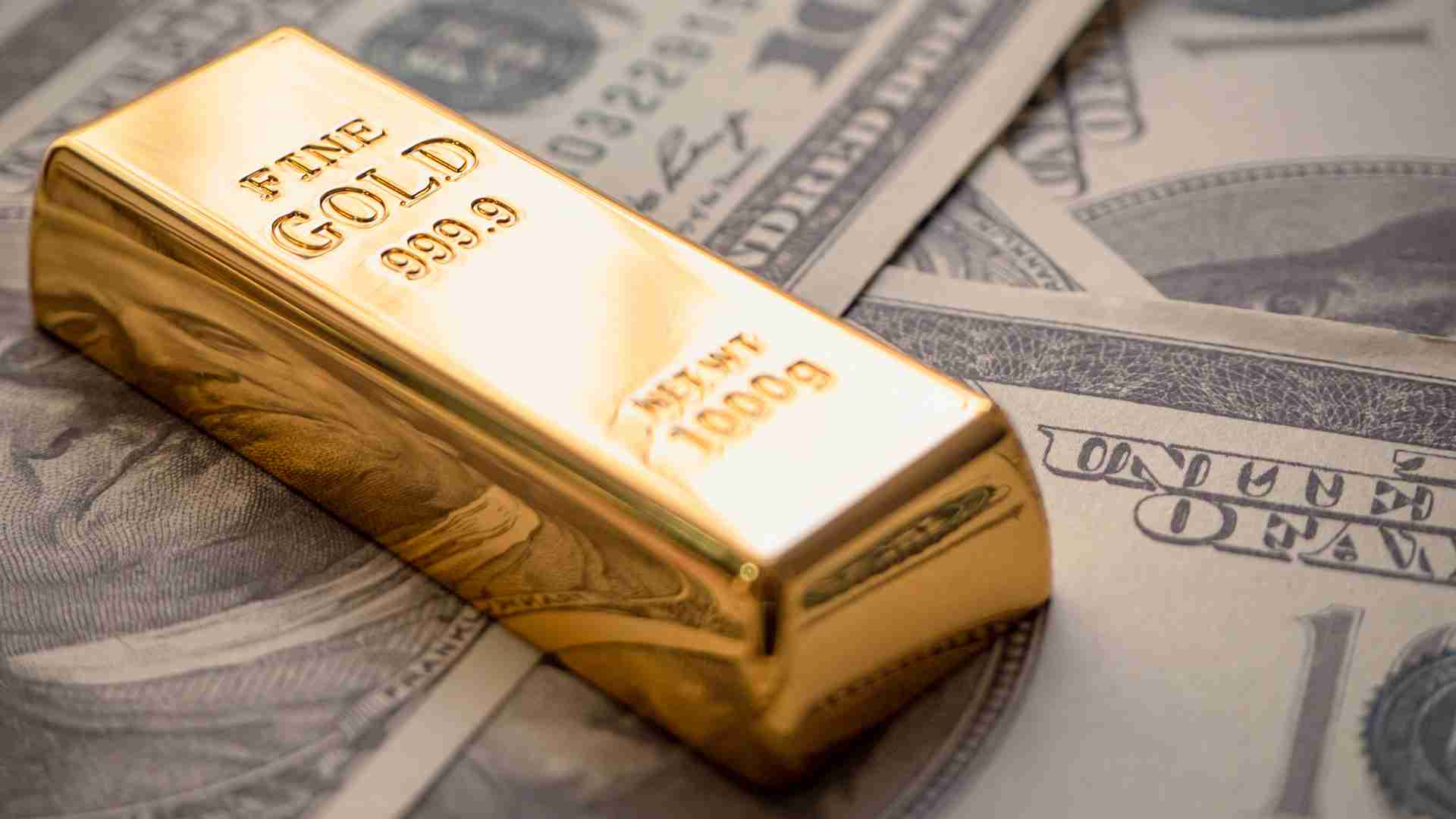
If you were watching currency and commodity screens, you didn't have to wait long for the shockwave. Spot gold rocketed past the psychological threshold of $4,000 an ounce, climbing roughly 2.4% to $4,021.68. Silver followed suit with an aggressive 4% pop to hover near $51.74, while platinum and palladium notched solid green numbers across the board.
At the exact same time, the US dollar slipped to a one-month low, dragging Treasury yields down with it.
Most casual observers think this is just standard election-day noise. It isn't. This market reaction exposes a fundamental reassessment of US fiscal policy, debt expansion, and federal spending constraints.
What a Divided Washington Actually Means for Your Portfolio
When one party unexpectedly sweeps control of Congress against a sitting administration, the immediate assumption on Wall Street is gridlock. But digging deeper into these specific midterms, traders are pricing in something far more structural: a hard brake on aggressive fiscal expansion.
For months, the market baked in continuous heavy borrowing and expansive fiscal policies. A Democratic sweep changes that math. Investors anticipate that a divided legislative branch will constrain aggressive spending agendas, altering the supply and demand dynamics of government debt.
Treasury yields tumbled because the market adjusted its long-term bond issuance expectations. Lower yields mean the opportunity cost of holding non-yielding assets drops sharply.
Gold doesn't pay a dividend. It doesn't yield interest. When bonds pay less and the greenback loses its footing, bullion suddenly looks like the adult in the room.
The Dollar Slide and the Precious Metals Rally
Let's look at the mechanics of why gold and silver moved so violently.
Precious metals are globally priced in US dollars. When the dollar index dips—as it did by roughly 0.3% to 0.5% following the election news—foreign buyers suddenly find bullion cheaper in their local currencies. That dynamic sparks an immediate uptick in international physical demand.
Add short covering into the mix, and you get an explosive technical rally. Gold punched through key resistance levels near $3,970, forcing bearish traders who bet on a continued downtrend to scramble and buy back contracts.
Silver didn't lag behind either. Industrial and monetary demand collided as silver futures surged over 4%, proving once again why it behaves like gold's high-beta cousin during macro shocks. Platinum jumped past $1,451, and palladium climbed above $972 per ounce.
Why Smart Investors Aren't popping Champagne Just Yet
Before you liquidate your stock portfolio to buy gold bars, take a step back. Experienced commodity strategists are deeply divided on whether this rally has legs or if it's just a temporary sugar high.
Take Daniela Hathorn, senior market analyst at Capital.com, who pointed out a vital truth: geopolitical and political uncertainty doesn't always translate into sustained safe-haven demand. Markets are notoriously fickle.
Look at the Federal Reserve. While the dollar is dropping, the central bank is still wrestling with stubborn inflation metrics. Markets are currently pricing in a meaningful probability of another interest rate hike before the year closes. A hawkish Fed is kryptonite for precious metals. If Jerome Powell signals that rates will stay higher for longer to combat sticky price pressures, those dollar losses could reverse quickly, dragging gold back down toward the $3,500 range that bears keep whispering about.
Furthermore, broader cross-asset liquidations can drag commodities down even when the thesis for them is solid. When institutional funds face margin calls or losses in equities—which dipped across US futures following the election results—they often sell their winning assets, including gold and silver, simply to raise cash.
How to Play the Post-Midterm Commodity Shift
If you're managing your own money right now, don't chase green candles blindly. Emotional trading after a headline-driven spike usually ends in a drawdown.
Evaluate your current allocation to hard assets. If your portfolio lacks exposure to precious metals, use volatility dips—not parabolic morning spikes—to build positions.
Keep a close eye on upcoming Treasury auctions and inflation prints. If yields resume their climb and the Fed stays aggressive, these midterm gains could fade. If the dollar continues its descent and political gridlock paralyzes fiscal expansion, physical gold and silver will keep proving their worth as ultimate portfolio insurance.
Stop treating macro events as isolated spectacles. Look at the structural debt and currency debasement happening underneath, position accordingly, and protect your downside.