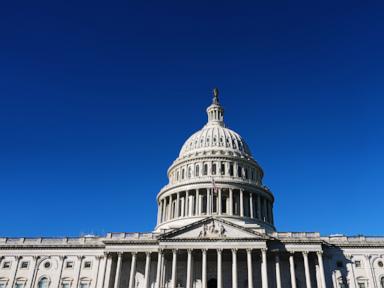
Democrats have locked up at least 258 seats in the U.S. House of Representatives, giving them their largest House majority since 1992 and turning the final two years of President Donald Trump's second term into a high-stakes standoff.
That milestone arrived on Sunday, November 22, 2026, after Democrat Chuck Hubbard defeated Republican Rep. Virginia Foxx in North Carolina. With four races still undecided—one each in Minnesota and Tennessee, plus two Louisiana contests heading to a December runoff—the party's cushion is already massive. Republicans sit at a minimum of 173 seats in the minority.
So why does 258 matter so much? Because big majorities change the math of power. For the past two years under Speaker Mike Johnson, House Republicans wrestled with a razor-thin 218-214 edge where a handful of defections could sink a bill. A 258-seat majority means Democrats can afford to lose dozens of votes from their own ranks and still clear the 218 threshold needed to pass legislation off the House floor.
Pair that with a 56-seat Democratic majority in the Senate—bolstered by Mary Peltola's win in Alaska—and you're looking at a divided government with real teeth. Still, a huge House majority isn't a magic wand. Passing bills is one thing. Getting them signed by a Republican president—or finding 67 votes in the Senate to override a veto—is something else entirely.
Why This House Majority Matches 1992 and Tops 2008
A lot of election recaps throw around "historic" like confetti. Here, the numbers actually back it up.
According to Associated Press tallies and reporting from CBS News and PBS News, 258 seats matches the House tally Democrats won in 1992 when Bill Clinton was first elected president, and it edges past the 257 seats Democrats captured in 2008 alongside Barack Obama. Based on figures cited from the Office of the House Historian, it's the largest majority either party has held this century.
Let's be honest about where it sits in the grand sweep of American history, though. It's big, not Roosevelt-era big. During the Franklin D. Roosevelt era, House Democratic majorities swelled past 300 seats, and Republicans reached high-water marks like 301 seats in 1920. You don't need 300 seats to run the chamber, of course, but keeping that historical context straight helps avoid overreading a single midterm cycle.
What makes this sweep stand out in modern politics is the net swing. Democrats have flipped at least 44 seats from Republican control so far, clearing the 40-seat pickup they posted during Trump's first midterm in 2018. In an era of hyper-gerrymandered maps and tightly sorted districts, flipping 44 seats takes more than a mild wind at your back. It takes broad dissatisfaction cutting across different kinds of voters.
What Driven Voters Actually Pointed To
When you look past the headline numbers, voters sent a pretty blunt message about pocketbook pressure and government accountability. Reporting on the post-election landscape highlights frustration over the cost of living, healthcare, immigration enforcement, and perceived corruption inside Washington.
That doesn't mean every newly elected Democrat ran on the exact same script. Far from it. Winning in a deep-blue urban seat looks nothing like winning a competitive suburban district or flipping a seat in a place where Republicans usually cruise. A single "mandate" sounds neat on a cable news chyron, yet real coalitions are messier than that.
Inside the Democratic Caucus Tension Already Brewing
Big majorities solve one problem and create another. When you have 258 members—and a huge incoming class—keeping everyone pulling in the same direction gets tricky fast.
Democratic leader Hakeem Jeffries of New York has been nominated to serve as the next House speaker, putting him in line to become the first Black House speaker when the new Congress convenes in January 2027. In an interview on Face the Nation on Sunday, Jeffries stressed that voters expect concrete action, asking how angry Americans would be if Washington failed over the next two years on affordability, healthcare, and immigration.
He also hasn't ruled out pursuing a third impeachment of Trump. That single detail tells you a lot about the cross-currents inside the party right now.
Affordability Versus Investigations
On one side sits the pragmatic worry that spending too much energy on high-drama investigations or impeachment pushes will distract from everyday costs. Rep. Tom Suozzi, a centrist Democrat from New York and an accountant by profession, argued that House Democrats should devote roughly 75 percent of their time to affordability issues and 25 percent to accountability.
On the other side is a caucus energized to confront the administration aggressively. Rep. Alexandria Ocasio-Cortez of New York called the large class "a mandate for change" at the Capitol, while Rep. Jason Crow of Colorado captured the raw mood among members by saying Democrats should feel urgency and pressure to deliver. Meanwhile, Rep. Troy Carter of Louisiana, expected to lead the Congressional Black Caucus, noted that Democrats aren't a monolith and bring different ideas into the room—which is fine, so long as they don't blow up their own agenda in public.
Here's the mistake I see parties make after a wave election time and again: they treat a huge seat count like permission to overreach on every front at once. Subpoenas grab headlines on Tuesday, sure. Lowering grocery, insurance, or housing costs is a much harder grind, and voters judge wave majorities by whether life feels any cheaper by the next cycle.
What the White House and House Republicans Are Doing Next
A divided government isn't a spectator sport. Both sides are already staking out their defensive and offensive positions ahead of January.
The White House has pushed back sharply against planned congressional probes, warning that investigations into the administration could amount to "blatant criminality"—even though congressional oversight is a standard constitutional function of the legislative branch. Expect fierce fights over document requests, executive privilege, and committee subpoenas once gavels change hands.
Over on the Republican side, Ohio Rep. Jim Jordan was chosen by colleagues to lead House Republicans in the minority and pledged to fight for American families over the next two years. Even in the minority, 173-plus seats isn't nothing. Minority members still shape floor amendments, use procedural motions to force tough votes on vulnerable Democrats, and hammer away on inflation, border security, and government spending.
From years of watching Capitol Hill gridlock up close, one thing is crystal clear: size in the House gives you control of the calendar and the committees, not a blank check. Every bill that leaves the House still has to survive the Senate and a presidential veto pen.
Practical Next Steps for Following the New Congress
If you're trying to track what this shift actually means for policy, business planning, or civic engagement over the next few months, don't get lost in daily outrage clips. Focus on the milestones that actually move the needle.
- Watch the final four House races and December runoffs. Keep an eye on the remaining contests in Minnesota and Tennessee, plus the two Louisiana runoffs in December, to see where the final seat count lands above 258.
- Track committee assignments and the first 100-day bills. Once the new Congress convenes in January and Hakeem Jeffries takes the speaker's gavel, watch which bills get floor time first—cost-of-living packages versus oversight measures will show you where leadership's real leverage is going.
- Follow official legislative and historical records. Use Congress.gov to track actual bill text and votes rather than relying solely on partisan spin, and check history.house.gov for verified historical seat counts and party totals.


