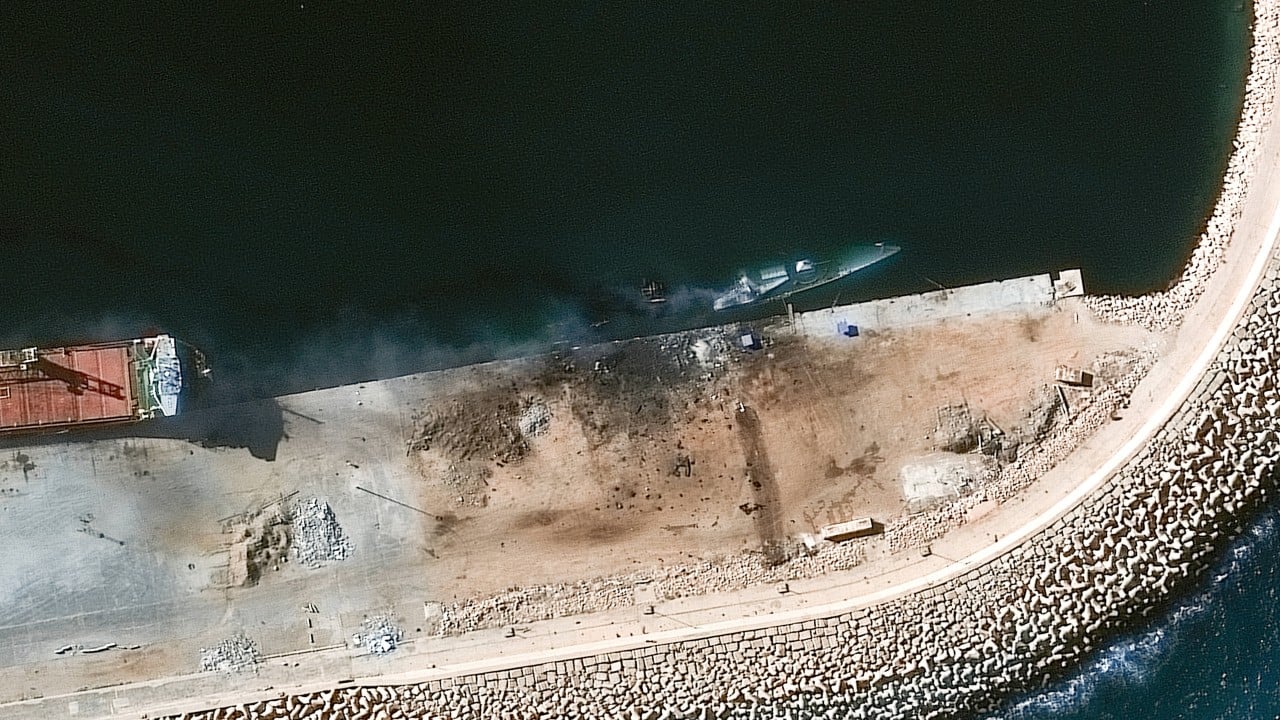
Walk along the stretch of coast near Zvërnec, not far from the southern port city of Vlorë, and you immediately feel why people are fighting over every square meter of dirt. Pines brush against the breeze, lagoons hold quiet pockets of birdlife, and the water feels miles away from boardrooms. Yet right here, plans for sweeping luxury hospitality developments tied to Jared Kushner have turned quiet coastal property lines into a national flashpoint.
When outside money enters a market with decades of tangled land history, paper titles rarely tell the whole story. Some Albanians say land slated for these ambitious resort projects belongs to local families or traditional claims, not to a foreign-backed developer. Meanwhile, project backers argue that deals were struck through commercial channels and that large-scale investment can bring jobs and modern infrastructure to a coastline that has long waited for serious capital. If you enjoyed this post, you might want to look at: this related article.
To understand why this clash feels so raw, you have to look past the headlines about celebrities and billion-dollar renderings. In Albania, land isn't just an asset class. It's memory, survival, legal uncertainty, and unfinished business from a brutal political past.
How Albanian land claims collide with luxury development
The core tension is simple on paper and messy in real life. Developers and buyers look for clear title, zoning approvals, and a path to build. Local residents and claimants look at generations of family use, disputed restitutions since the fall of communism, and coastal access they've treated as part of their daily rhythm. For another perspective on this event, check out the latest coverage from NBC News.
Here's the catch with coastal real estate in much of the Balkans: ownership records have spent decades catching up to reality. After Enver Hoxha's communist regime collapsed in the early 1990s, Albania faced the monumental task of privatizing state-held property and sorting out restitution claims for families whose land had been seized decades earlier. Overlapping deeds, incomplete cadastre records, and shifting local authorities created gray zones that lawyers and speculators have navigated for thirty-plus years.
When a high-profile luxury project arrives in that kind of environment, every transfer gets magnified. If a local family believes their ancestors farmed or held rights to a parcel, or if villagers worry that fencing off coastal stretches cuts off traditional access to beaches and groves, a routine real estate transaction suddenly looks like dispossession. Even when a buyer pays a substantial sum—such as the reported over-$130 million purchase of roughly 300 acres in April 2026 by a company linked to Kushner's orbit—the central question from critics isn't just who wired the money. It's who had the legitimate right to sell it in the first place, and what happens to contested claims along the way.
What villagers and claimants say is at stake
Talk to people living near coastal stretches like Zvërnec and the broader Vlorë-Narta area, and you hear two overlapping worries. First is personal ownership and legacy. Families who have argued over restitution or property boundaries for years don't want to watch bulldozers clear ground while their paperwork is still stuck in bureaucratic or legal limbo.
Second is everyday access. Along Mediterranean and Adriatic coasts, locals often treat paths to the water, olive groves, and coastal edges as semi-shared space. Once high-end resorts move in, access changes. Even if a developer plans public pathways or seasonal openings, locals worry that fences, security, and private branding will push ordinary people off land they've always known.
How developers and supporters frame the project
From the developer's side, the pitch is straightforward. Albania's coast has dramatic scenery, warm weather, and growing international visibility, yet much of it lacks five-star resorts, marinas, and high-end hospitality infrastructure. Backers argue that well-funded projects can attract wealthy international travelers, lift local service-sector wages, and put underused or contested parcels to productive use.
Prime Minister Edi Rama's government has generally welcomed major foreign investment as a catalyst for tourism growth and economic modernization. Supporters point out that private capital brings construction activity, tax revenue, and global attention that smaller domestic operators struggle to fund on their own.
Why Sazan Island and Zvërnec sit at the center of the storm
Part of why this story refuses to fade is that it spans more than one distinct piece of geography. Sazan Island, sitting strategically where the Adriatic meets the Ionian Sea, carries decades of military history—tunnels, bunkers, and isolation from the outside world—before discussions of civilian redevelopment and luxury tourism took shape. Zvërnec, across the water near the Vjosa-Narta lagoon system, brings a different mix of coastal beauty, ecological sensitivity, and local community ties.
When people mix up the details of Sazan Island and mainland coastal parcels near Zvërnec, confusion follows fast. One is an island long tied to defense and strategic control; the other sits next to a cherished wetland and coastal landscape where locals, conservationists, and property claimants all have skin in the game.
In places where property history is contested, a luxury resort isn't just a hotel. It becomes a mirror for every unresolved grievance about fairness, transparency, and who gets to shape the country's future.
Environmental groups have added another layer of scrutiny. The Vjosa-Narta area and surrounding waters are prized by conservationists for migratory birds, wetlands, and marine life. Critics have argued that fast-tracked approvals, legal exemptions for high-end tourism developments, or early site work threaten fragile habitats and bypass the kind of transparent public review local communities expect.
Investigations, politics, and the trust deficit
Whenever a foreign investor with prominent political ties in the United States steps into a sensitive land deal abroad, local disputes quickly become international news. Scrutiny hasn't stopped at property deeds. Reporters, opposition figures, anti-corruption authorities, and U.S. lawmakers have all looked at different angles of the deals—ranging from how land was acquired and who sold it to whether legal rules and anti-corruption standards were respected.
When a seller or intermediary faces legal scrutiny or questions about past land records, trust takes a massive hit. Even if a project team insists its own purchase was structured through commercial channels, public confidence erodes fast when villagers feel left in the dark about permits, boundaries, and legal reviews.
Honestly, that trust gap is the biggest obstacle any developer faces here. You can hire top architects, draft glossy master plans, and spend hundreds of millions of dollars on land. If locals believe the process lacked transparency—or that powerful insiders got special treatment while ordinary citizens fought red tape—protests and legal pushback almost always follow.
Common misconceptions about this land dispute
Because headlines move fast, a few myths keep popping up around Albanian land claims and high-profile coastal projects.
- Myth: Every dispute means the government simply handed over private homes for free. Reality: Land conflicts in Albania often involve layered histories—state land, contested restitution claims from the communist era, prior private sales, or disputed boundaries. Sorting out who holds valid title can take years of court and administrative review.
- Myth: A big price tag automatically settles ownership questions. Reality: Paying a large sum in a real estate transaction doesn't erase prior claims, unresolved court challenges, or regulatory questions about how earlier titles were obtained. Money changes hands quickly; legal certainty often moves much slower.
- Myth: Locals oppose all tourism and economic growth. Reality: Many Albanians welcome visitors and want better jobs and infrastructure. What sparks anger is feeling cut out of decisions, losing access to the coast, or watching protected land and disputed property get carved up behind closed doors.
What to watch next and practical steps if you're following or investing
If you're watching this story unfold—or evaluating real estate and investment opportunities anywhere in the Western Balkans—don't rely on surface-level announcements. Renderings and press releases tell you what a project hopes to be, not what survives legal and local pressure.
- Track official property and court records, not just headlines. Pay attention to cadastre verification, restitution rulings, and formal prosecutorial or regulatory findings. Ownership disputes live or die in documentation and court dockets.
- Separate land title from construction permits. Buying land is one step; securing environmental clearances, coastal/zoning approvals, and valid building permits is another. Delays or challenges often happen right at that junction.
- Watch how local communities and environmental groups respond. Sustained pushback from residents, conservationists, or municipal leaders can slow timelines, force design changes, or trigger political battles that reshape a project's scope.
- Insist on independent due diligence for any coastal deal. If you're looking at property in Albania or neighboring markets, work with independent local legal counsel who can trace title chains back through post-communist restitution records and verify that there are no hidden encumbrances or overlapping claims.
Land battles along the Albanian coast aren't going away overnight. As long as high-dollar ambitions meet decades-old property grievances, every fence line and permit will carry weight far beyond the resort gates.