Diplomacy rarely moves in a straight line. Right now, it's sprinting through the desert.
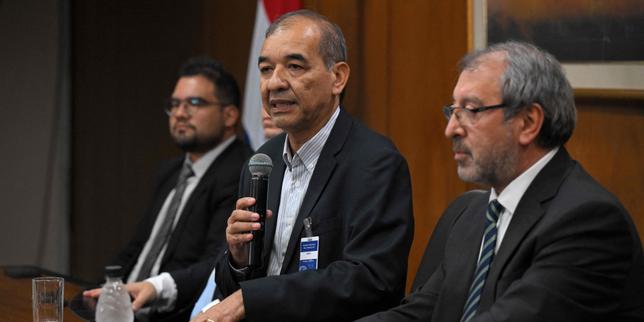
Following two intense days of US-brokered trilateral talks in the United Arab Emirates, American envoys Steve Witkoff and Jared Kushner are packing their bags for high-stakes face-to-face meetings with both Vladimir Putin and Volodymyr Zelenskyy. The sessions in Abu Dhabi marked the first direct contact between Russian and Ukrainian officials in nine months. Expectations are fragile. Everyone wants an exit ramp from a war that has bled Europe for years, but nobody wants to be the first to blink.
Inside the Abu Dhabi Corridor
The neutral backdrop of Abu Dhabi wasn't chosen by accident. It offers a secure, quiet environment away from the bruising rhetoric of Brussels and Washington. But secret rooms and back-channel optics don't automatically forge peace.
The meetings brought together Russian, Ukrainian, and American delegations to test whether any genuine overlap exists between Moscow's maximalist demands and Kyiv's insistence on territorial sovereignty. Rumors of a breakthrough surface every time negotiators share a cup of coffee, yet the core disputes remain terrifyingly vast. Security guarantees, territorial lines, and the future of occupied regions continue to block any easy compromise.
Instead of a miraculous signed accord, the UAE summit produced something far more precarious: fragile openings. Washington's team is now tasked with carrying those raw terms directly to the primary decision-makers.
The Shuttle Diplomacy Trap
Shuttle diplomacy looks heroic on television. On the ground, it's an exhausting psychological game.
Envoys flying between Moscow and Kyiv carry the heavy burden of interpretation. When Witkoff and Kushner sit down with Putin, and subsequently with Zelenskyy, they aren't just delivering messages; they're trying to bridge two entirely separate realities.
President Zelenskyy has made it clear that he expects the American delegation to deliver a clear picture of Russia's actual stance on recent truce proposals. He needs to know if Moscow is serious about stopping the bloodshed or simply buying time to regroup its forces ahead of winter. Meanwhile, Putin views these talks through the lens of strategic leverage, testing how much pressure the West can exert and where cracks in international support might appear.
If the US envoys misjudge the mood in either capital, the entire diplomatic architecture could collapse overnight.
What Comes Next for the Frontline
The real test of Abu Dhabi won't happen in a gilded conference room. It will happen on the frozen mud of the frontline.
Wars don't stop because diplomats shake hands in the Gulf. Artillery keeps firing. Drones keep humming. Every day the talks drag on without a firm ceasefire agreement, soldiers die and civilian infrastructure takes another hit.
The public wants a simple resolution. They want a headline proclaiming an end to the conflict. But peace deals born from rushed diplomacy often store up greater disasters for the future. If these shuttle missions fail to secure genuine concessions on troop withdrawals and lasting security architecture, the disillusionment will cut deeper than ever.
Right now, everything hangs on what Witkoff and Kushner hear behind closed doors in the coming hours. The window is open. It might close just as fast.