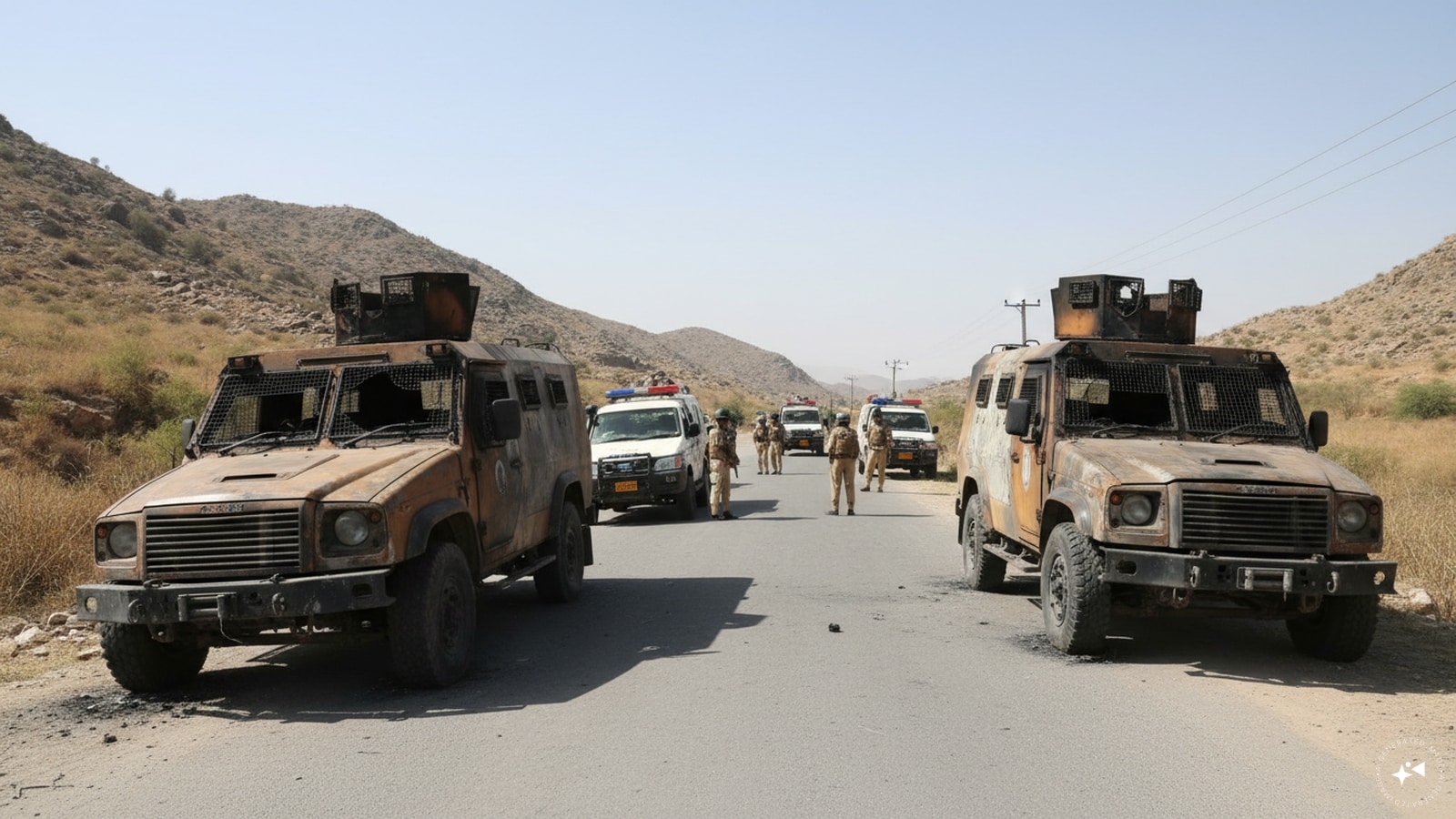
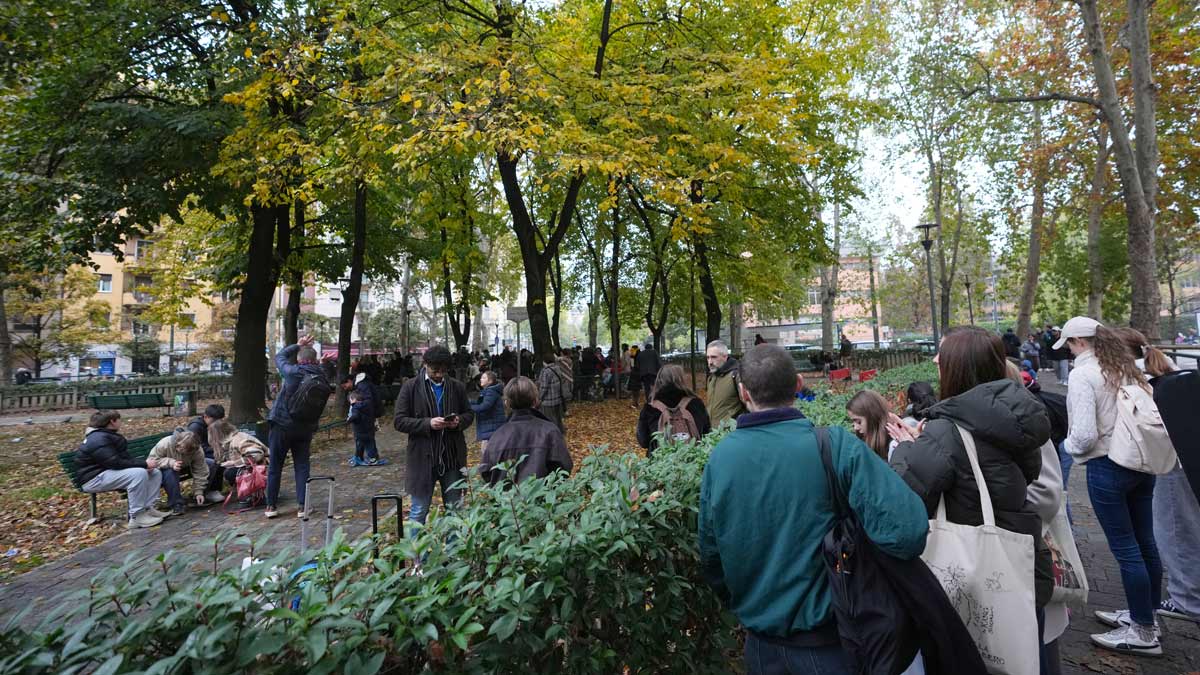
A peaceful Thursday morning commute turned into a chaotic nightmare over one of the world's most famous landmarks. Emergency responders rushed to the Sydney Harbour Bridge after a teenage boy fell from a moving train, sparking a massive multi-agency rescue operation that gripped the city.
Police, paramedics, and a Careflight rescue helicopter descended on Bradfield Park and the railway corridor nestled between Wynyard and Milsons Point stations. The incident happened at roughly 11:30 am, instantly halting public transport lines and throwing the heart of Sydney into gridlock. Initial police reports point to a terrifying reality: the teenager was allegedly train surfing when he lost his footing and plunged onto the tracks.
It is a senseless tragedy that highlights an alarming, growing danger on suburban rail networks.
The Reality of Train Surfing Trends
Social media platforms and underground thrill-seeking subcultures have glamorized dangerous stunts for years. Young people chase adrenaline online, posting videos of themselves clinging to the outside of moving carriages, scaling metro roofs, or hanging off commuter trains.
What looks like a harmless rush on a phone screen ends in catastrophic physical trauma in the real world. Trains on the Sydney rail network travel at high speeds across complex, elevated infrastructure like the Harbour Bridge. There is zero margin for error. A single slip means hitting steel beams, overhead wiring carrying lethal electrical currents, or dropping dozens of meters onto concrete and water below.
When emergency services arrived at the scene, they found a chaotic crisis zone. Medical teams fought frantically on the tracks to stabilize the young victim before rushing him to hospital with life-threatening injuries.
The High Cost on Transport Infrastructure and First Responders
Incidents like this do more than destroy individual lives. They ripple outward, affecting thousands of everyday commuters and placing immense psychological strain on emergency workers.
When a person falls onto the tracks along the Harbour Bridge corridor, rail operators have to cut power immediately. Trains are brought to a sudden halt, stranding passengers inside tunnels and carriages for hours. Traffic slows to a crawl as police helicopters land nearby, creating a massive bottleneck across the Sydney CBD.
First responders deal with the horrific aftermath. Paramedics and police officers walking onto active rail corridors to treat severe trauma injuries face grueling emotional tolls. Transport authorities have repeatedly warned that stunts on the rail network are not a game. They are a gamble with permanent consequences.
Crackdowns and Prevention
Transport authorities and New South Wales Police face an uphill battle to stamp out these reckless stunts. CCTV monitoring, security patrols, and public awareness campaigns attempt to deter thrill-seekers, but peer pressure and online clout culture continue to drive teens to dangerous train tracks.
Parents, schools, and communities need to address the root cause of why young people risk their lives for online validation. Awareness campaigns must strip away the romanticized myths of urban exploration and show the brutal, unfiltered reality of railway accidents.
As doctors fight to save the teenage boy at the center of this emergency, the city of Sydney is left reeling once again from a completely preventable disaster. The tracks are meant for commuting, not daredevil stunts. Until everyone understands that simple truth, emergency services will keep getting called to tragedies that should never have happened.