Naval exercises rarely grab mainstream headlines, but they quietly shape how nations handle security across shared maritime borders. Right now, the port city of Visakhapatnam is hosting the eighth iteration of the bilateral engagement between India and Myanmar, known as IMNEX-26.
Running from November 10 through November 14, 2026, this round brings together select surface combatants to test how well two neighboring navies can coordinate operations when it counts. If you want to understand how regional defense diplomacy actually works on the water, you have to look past the official press releases and examine what happens during these drills.
Who Is Participating in IMNEX 26
The operational lineup for this year's exercise is compact but focused. The Myanmar Navy sent the UMS King Sin Phyu Shin, which pulled into Visakhapatnam on November 10. Waiting to receive and partner with them were the Indian Navy warships INS Rana and INS Sumedha.
The opening ceremony took place directly onboard INS Rana on November 10, setting a cooperative tone before the vessels split their time between pierside coordination and active sea maneuvers. Rather than bloating the schedule with dozens of vessels, bilateral exercises like this keep the focus tight so crews can drill down on direct communication and tactical compatibility.
The Structure of the Exercise
Every modern naval drill follows a strict two-part formula, and IMNEX-26 is no exception.
The schedule splits cleanly into a harbor phase followed by a sea phase.
During the initial days docked in Visakhapatnam, sailors and officers don't just sit around. They run Subject Matter Expert Exchanges (SMEEs), conduct cross-deck visits to inspect each other's ship layouts, and hold formal briefings on operational protocols. There are also sports matches and informal talks designed to build personal rapport among crews who might one day need to coordinate a rescue at sea.
Once the ships push off for the sea phase, things get practical. The participating units run through:
- Coordinated maritime tracking maneuvers
- Tactical steam formations
- Communication drills without electronic signatures
- Simulated surface defense scenarios
The goal here isn't flashiness. It's about ensuring that a bridge officer from Myanmar and a bridge officer from India speak the exact same tactical language if an unexpected security challenge pops up in the Bay of Bengal.
Why This Partnership Matters for Regional Security
India's strategic approach in the eastern waters relies heavily on bilateral trust and capacity-building. Officials frequently tie these engagements back to broader frameworks like MAHASAGAR—standing for Mutual and Holistic Advancement for Security and Growth Across Regions.
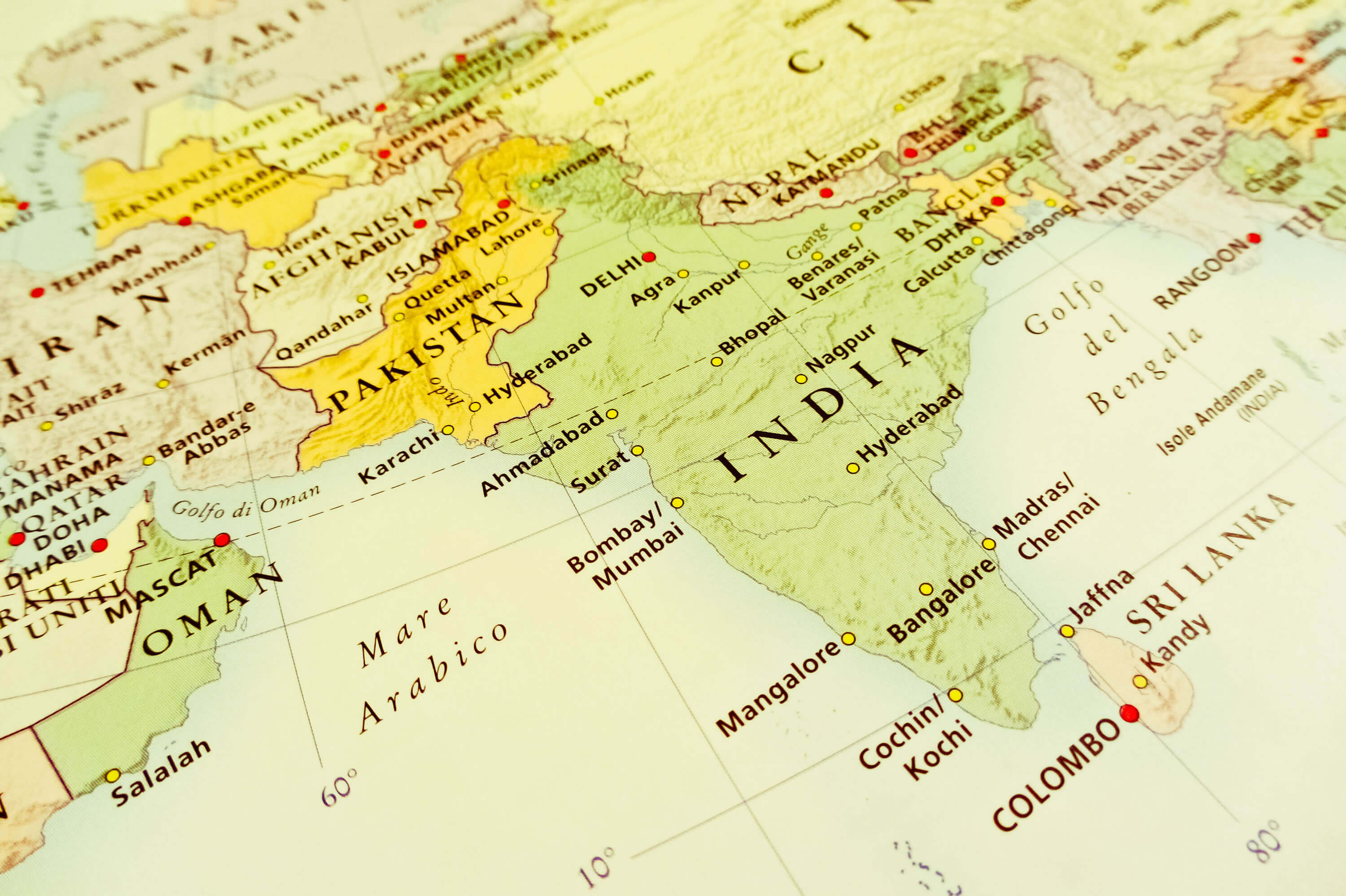
Myanmar shares both a land border and a crucial maritime boundary with India. Keeping channels open between the two militaries helps secure shared trade routes, crack down on illegal trafficking, and manage humanitarian assistance or disaster relief (HADR) readiness. When maritime neighbors don't talk, misunderstandings turn into crises. Regular drills prevent that rust from forming.
By the time UMS King Sin Phyu Shin, INS Rana, and INS Sumedha wrap up operations on November 14, the crews will have logged dozens of hours of shared tactical data. That quiet cooperation forms the backbone of stability in a region where keeping sea lanes open and secure is a daily requirement, not an optional luxury.