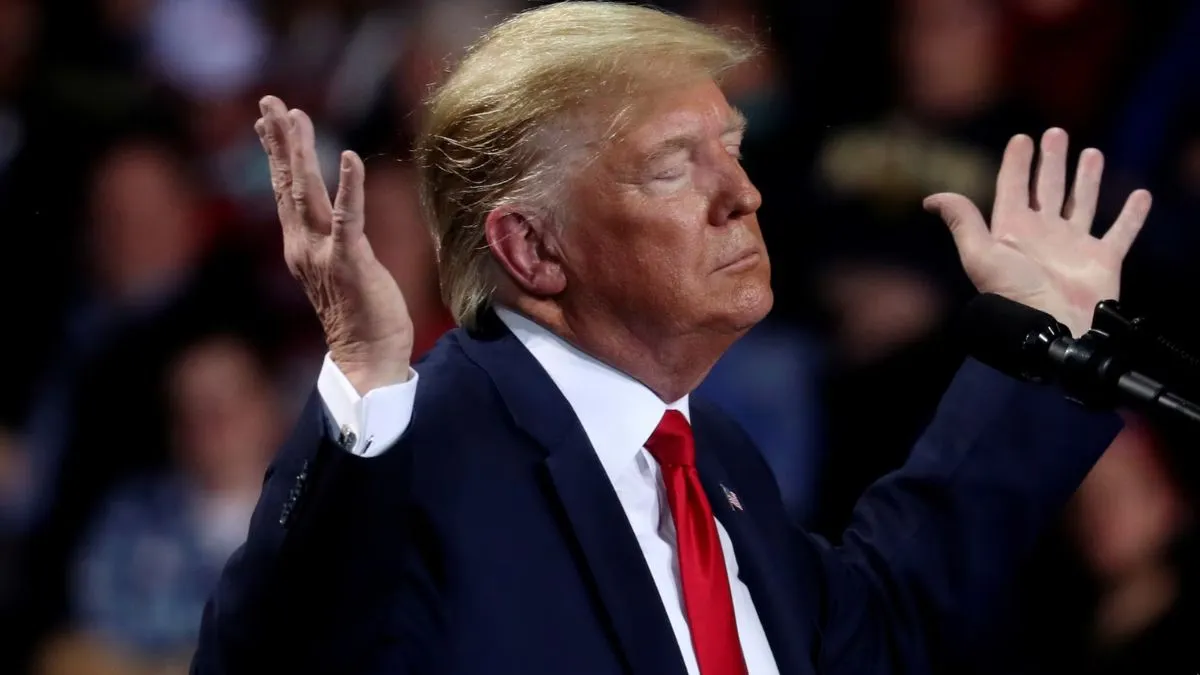
Let's be honest about what's happening. When Donald Trump tells reporters in the White House that the war with Iran is going to wrap up "fairly soon," you shouldn't just take it at face value. Politics dictates rhetoric, and right now, the political landscape has shifted dramatically.
After months of soaring fuel prices, bruising midterm election losses where Republicans lost both chambers of Congress, and intense pressure from regional partners like Qatar and Saudi Arabia, the administration's calculus on Tehran has flipped. But looking past the sudden optimism reveals a much more complicated reality on the ground.
The Real Drivers Behind the Shift
If you’ve been tracking the conflict since it kicked off nine months ago, you know how aggressive the rhetoric has been. Just weeks ago, Washington was weighing massive bombing campaigns and new escalations. So why the sudden pivot to diplomacy and peace talk?
It comes down to three inescapable pressures:
- The Midterm Reality Check: Voters made their voices heard loud and clear at the ballot box. High gasoline and diesel prices tied directly to the conflict severely hurt consumer sentiment.
- The Legislative Tightrope: With a new Congress taking office, the White House faced threats of heavy investigations, funding restrictions, and resolutions designed to block further military action.
- Economic Fatigue: Even though the administration insists Iran's military capability is shattered and its naval forces are neutralized. The prolonged disruption in the Strait of Hormuz has taken a heavy toll on global supply chains.
Trump pointed to meetings with Qatari Prime Minister Sheikh Mohammed bin Abdulrahman Al Thani, signaling that intermediaries are doing the heavy lifting to find an off-ramp. Tehran, for its part, has kept its messaging mixed, with some officials denying formal talks are active while diplomatic channels quietly buzz behind the scenes.
What "Effectively Over" Actually Means
When leaders claim an adversary is militarily finished, they usually mean the conventional threat has been severely degraded. Trump argued that Iran's economy is hollowed out by inflation and its conventional power projection is broken.
However, anyone who studies modern military strategy knows that asymmetric threats don't just vanish overnight. Regional proxy networks, ongoing disputes over shipping lanes, and the unresolved nuclear dossier mean that a formal, clean end to hostilities is easier announced than executed. Operation Iron Gate—the newly announced task force aimed at halting underground weapons smuggling—proves that Washington is preparing for containment rather than a traditional victory parade.
Market reaction was swift. Oil prices slid immediately following the remarks, with Brent crude dropping toward $90 a barrel as traders priced in a lower risk premium. Markets hate uncertainty, and a potential de-escalation is the best news energy traders have heard all year.
Where Things Go From Here
Don't expect an overnight miracle. Even if formal strikes are played down for the moment, untangling the naval blockades, resolving regional security guarantees with Gulf states, and dealing with Iran's long-term capabilities will take months of grinding negotiation.
Keep an eye on shipping data through the Strait of Hormuz and official announcements regarding regional task forces. That will tell you whether this diplomatic thaw is genuine or just another temporary pause in a long-running standoff.
'Iran war is effectively over!': Trump makes massive announcement from White House | LIVE
This video broadcast captures the live White House press briefing where President Trump announced that the conflict with Iran is winding down and discussed the shifting diplomatic momentum.