A routine crackdown on illegal gold mining in northwestern Pakistan turned into a devastating firefight, leaving nearly thirty people dead.
The ambush in the Kohat district of Khyber Pakhtunkhwa province ranks as one of the most violent single-day clashes for regional security forces in recent memory. A police contingent returning from a mining raid found themselves trapped by heavily armed militants. By the time the guns fell silent, 11 security personnel, including Deputy Superintendent of Police Haidar Zaman, and 18 attackers were dead.
The Trigger Behind the Kohat Ambush
You might wonder why a police party cracking down on illegal resource extraction faced military-grade militant resistance. The connection runs deeper than simple environmental crime.
Days before the attack, the Kohat deputy commissioner issued strict bans on parking heavy excavators near placer gold mining zones and prohibited open-container fuel sales used to power unauthorized extraction machinery. Local authorities had noticed a disturbing pattern: criminal mafias and banned militant outfits often share infrastructure and logistical networks.
When the police team moved into the Darabukach locality to dismantle these illegal operations, they crossed paths with organized criminal interests backed by militant networks. Security officials noted that the attackers belonged to groups operating under the umbrella of Tehreek-i-Taliban Pakistan, referred to by state authorities as Fitna al Khawarij.
How the Gunbattle Unfolded
The ambush caught the police convoy off guard as officers headed back from completing their administrative sweep. The militants utilized the rugged terrain of Khyber Pakhtunkhwa to launch a coordinated assault on the transport vehicles.
Despite being outmaneuvered initially, the police officers mounted a fierce defense. Reinforcements rushed to the scene after Rescue 1122 and district headquarters units scrambled emergency teams to evacuate the wounded. The ensuing firefight lasted for hours, resulting in the elimination of 18 attackers while claiming the lives of 11 brave personnel.
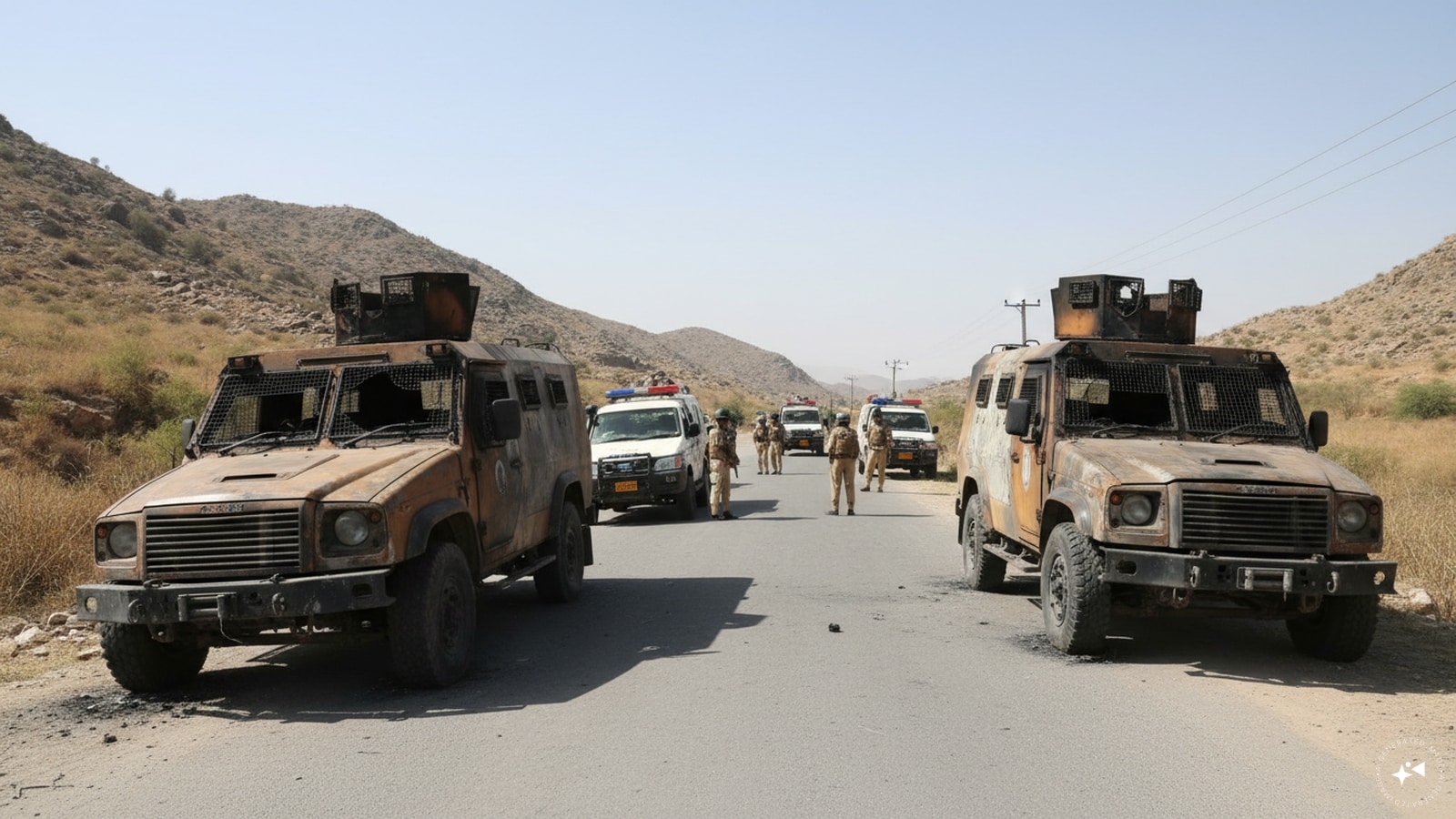
Images released by provincial police showed the heavy toll borne by local precincts, especially following the loss of senior officers like DSP Haidar Zaman. Hospitals in the district declared emergencies to handle the influx of casualties.
What This Violence Signals for Regional Security
This incident exposes a grim reality in Pakistan's border regions. Militant groups no longer operate in isolated mountain hideouts. Instead, they embed themselves within local criminal economies, funding their insurgencies through illicit mining, extortion, and smuggling.
State officials have made it clear that future operations will target not just the gunmen, but the financial facilitators and local mafias keeping these networks afloat. The provincial government faces mounting pressure to secure vulnerable supply lines and protect law enforcement officers who find themselves on the front lines of both counter-terrorism and resource protection.
The heavy casualties in Kohat prove that tackling underground economic networks carries a massive cost. Authorities have vowed that further crackdowns will proceed without backing down, despite the steep price paid by the police force.