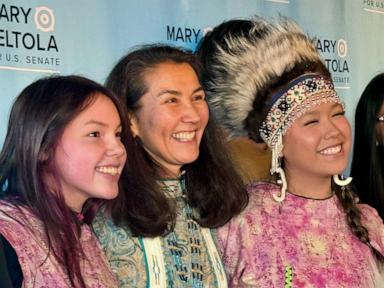
Winning an election in Alaska isn't like winning anywhere else in the country. Forget traditional political playbooks built around suburban precincts or TV ad buys in major media markets. In Alaska, a decisive share of the electorate lives off the road system across hundreds of remote villages, where diesel energy prices dictate daily survival and subsistence fishing is an essential way of life.
Heading into the final stretch before election day, Republican Senator Dan Sullivan and former Democratic Representative Mary Peltola are locked in one of the most consequential Senate contests in the country. Both candidates spent the days leading up to the vote directly targeting Alaska Native voters—a critical constituency representing roughly 18% of the state's population that frequently holds the balance of power in statewide races. Building on this theme, you can find more in: Why Trump’s Ambiguity On Iran Keeps Washington And Tehran Guessing.
If you want to understand why this race matters, how both candidates are trying to lock down rural Alaska, and what the voting landscape looks like on the ground, here is what is actually driving the campaign.
The Clash Over Energy Costs and Rural Survival
High energy prices hit rural Alaska far harder than almost any other region in the United States. In remote communities disconnected from power grids and highway networks, heating oil and diesel for power generators must be barged or flown in, making household energy bills excruciatingly steep. Analysts at Reuters have also weighed in on this matter.
The two candidates draw a sharp line on how to solve this crisis:
- Dan Sullivan points directly to his legislative record and heavy support for domestic resource extraction. He argues that boosting oil and gas development in Alaska is the only viable path to long-term energy security and lower prices for rural communities. He continually ties Washington policies to high fuel prices, claiming federal restrictions threaten Alaska's economic independence.
- Mary Peltola, the first Alaska Native elected to Congress, emphasizes immediate relief for families facing skyrocketing living expenses. While she actively supports expanded Alaskan oil and gas projects—frequently breaking with national Democrats on drilling permits—she focuses heavily on protecting local economies, lowering health care expenses, and securing federal investments for rural infrastructure.
For Native corporations and North Slope leadership, petroleum development provides vital revenue and regional employment. However, coastal and river communities face severe economic strain, balancing the need for resource revenue against environmental changes that threaten traditional hunting and fishing grounds.
Fisheries and Subsistence Rights Take Center Stage
In many rural villages, fishing isn't just an industry—it's food security and cultural heritage. Recent years have seen catastrophic collapses in salmon runs along the Yukon and Kuskokwim rivers, leaving families unable to fill their smokehouses or meet basic subsistence needs.
Peltola, Yup'ik and raised in Western Alaska, has built much of her political identity around fisheries management. During campaign appearances at events like the annual Alaska Federation of Natives (AFN) convention in Anchorage, she underscored salmon restoration and subsistence protections as central pillars of her platform, calling fish management her life's work.
Sullivan counters by highlighting his work on federal maritime legislation, Coast Guard infrastructure expansion, and regional economic development. He points to his passage of federal legislation benefiting Alaska and argues that his position in Congress provides the necessary leverage to secure federal investments for northern ports, search-and-rescue assets, and harbor projects.
Voting Logistics and Rural Access Barriers
Mobilizing voters across vast geographic distances presents formidable logistics challenges every election cycle:
- Remote Polling Station Delays: Polling places in isolated bush villages sometimes face staffing shortages or weather delays, risking delayed openings on election day.
- Mail Delivery Realities: Relying on mail-in ballots across regions dependent on air transit means weather disruptions can easily stall ballot delivery and return.
- Language and Access Support: Ensuring voting materials and assistance are available in Indigenous languages remains an ongoing effort for election administrators across unorganized boroughs.
Voting rights advocates and Native organizations continuously push state officials to guarantee every ballot cast in rural communities is properly delivered and counted without administrative delays.
How to Follow Official Election Results and Voting Rules
With a race this close, verifying official rules and tracking certified results from credible election authorities is essential.
- To verify your registration status, find local polling locations, or check official mail ballot deadlines, consult the Alaska Division of Elections.
- For updates on federal election administration standards and voter resources nationwide, visit the U.S. Election Assistance Commission.
Key Steps for Voters Before Election Day
If you are voting in Alaska, make sure your vote counts by following these practical steps:
- Double-check your assigned polling station location and operating hours before heading out on election morning.
- If returning an absentee or mail ballot, ensure it is postmarked on or before election day according to official state guidelines.
- Bring an approved form of identification required by state law when voting in person.
- Monitor official updates directly from state and municipal election clerks for any weather-related changes to local polling facilities.