Seventy-six percent. That is the definitive margin by which voters in Alberta shut down the idea of breaking away from Canada.
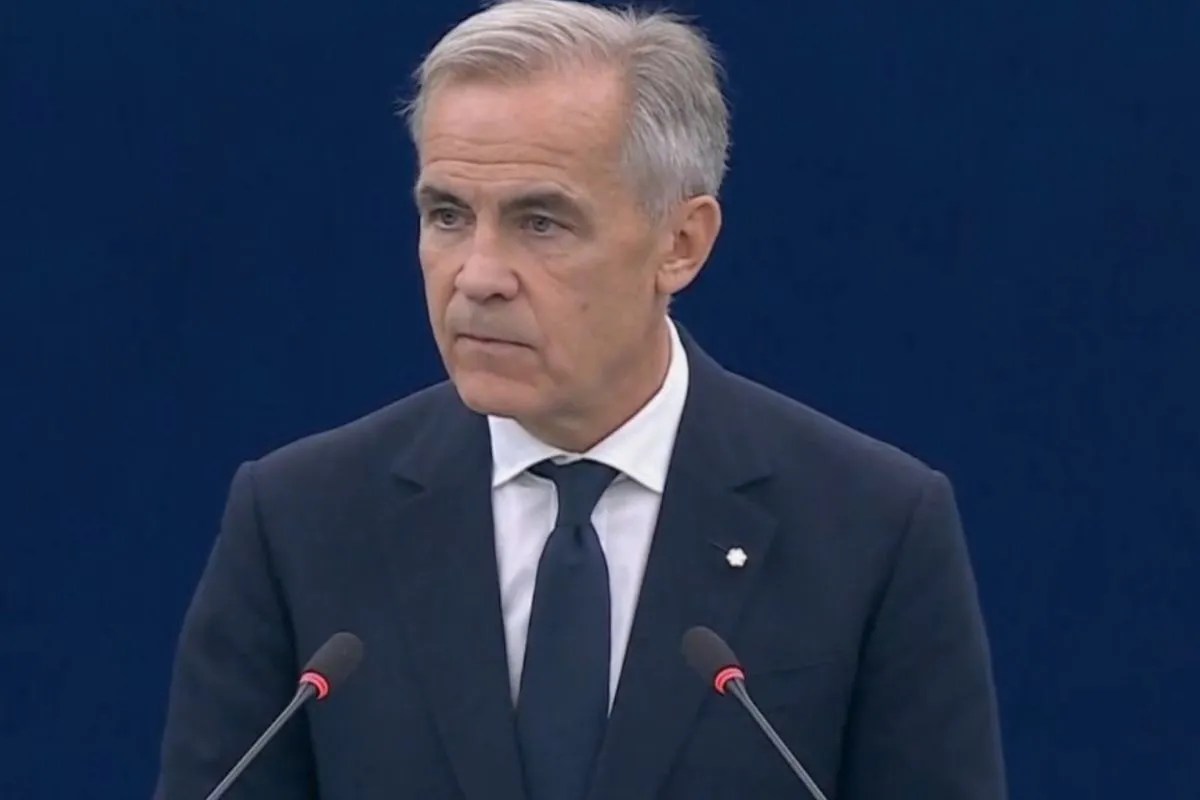
For months, political chatter focused on whether Western alienation would finally tear the country apart. Headlines predicted a constitutional crisis. Talk radio buzzed with separation anxiety. But when the ballots were actually counted, everyday citizens delivered a resounding verdict. They chose to stay. Prime Minister Mark Carney didn't waste time stepping onto social media to celebrate the outcome, declaring that the people of Alberta chose unity, shared futures, and mutual care above all else.
Yet, reducing this vote to a simple yes or no on separation misses the bigger picture. The referendum ballot was packed with complex questions about immigration, federal overreach, and provincial autonomy. While the separation bid crashed hard, other proposals on that same ballot revealed deep frustrations that Ottawa cannot afford to ignore.
The Numbers Behind the Alberta Referendum
Let us look at what actually happened on voting day. CBC News reported that over three-quarters of participating voters rejected the binding separation proposal. Supporters of the separation movement, gathered at the 'Forever Canadian' event, watched the early numbers roll in with visible disappointment while union and federal loyalists celebrated.
Prime Minister Carney pointed out that this moment gives Alberta and the rest of the country a clean slate to move forward with renewed purpose. His economic pitch centers on positioning Canada as a global energy powerhouse. In that grand strategy, Alberta is not an outsider. It sits right at the center.
You cannot talk about Canadian energy independence without Alberta's oil fields, pipelines, and technical workforce. Ottawa knows this. The federal government is pushing hard to build international trade partnerships and fast-track major infrastructure projects. If Canada wants to flex its muscles on the world stage, western resources remain non-negotiable.
Why the Separatist Push Lost Steam
Separatist movements often sound appealing when people feel ignored by distant capital cities. Ottawa has long faced accusations from western provinces of taking their economic engine for granted while imposing burdensome regulations.
However, tearing up a nation is a massive logistical nightmare. Citizens realized that cutting ties with Confederation meant untangling decades of shared currency, military defense, pension systems, and international trade treaties. The economic uncertainty proved too steep a price for most voters. People wanted change, but they wanted it fixed from within, not by blowing up the house.
The Hidden Message Inside the Ballot
While separation was crushed, ignoring the rest of the referendum results would be a dangerous mistake for the federal government. Voters didn't just cast a ballot on breaking away; they weighed in on nine other administrative and social issues.
The data tells a clear story of local anxiety over federal policies:
- Over 57 percent of voters backed tighter provincial control over immigration.
- Around 55 percent wanted stricter rules on social services for new arrivals, including mandatory waiting periods.
- More than 54 percent favored making temporary residents pay directly for their health services.
- Nearly 53 percent agreed that provinces should handle judicial appointments.
These numbers highlight a province pushing back against federal centralization. Albertans want more say in how their communities run, how public funds get spent, and how immigration impacts local infrastructure. They decided to stay in Canada, but they expect the rules of engagement to evolve.
What Happens Next for Ottawa and Alberta
The referendum results offer a unique window of opportunity. Prime Minister Carney has signaled a willingness to lean into Alberta's economic strengths. Building new trade routes and expanding energy output requires absolute alignment between provincial leaders and the federal machinery.
If Ottawa plays its cards right, this vote marks the end of serious separation talks for a generation. But that peace depends entirely on action. Federal leaders must address the administrative frustrations highlighted in those secondary ballot questions. Respecting provincial jurisdiction over immigration, healthcare funding, and resource management will determine whether unity turns into genuine cooperation.
Albertans made their choice clear. They want to remain part of the maple leaf flag, but they expect their voices to carry real weight in the federation.


